


There's something quietly magnetic about mid-century modern furniture design. Walk into a room that gets it right — the warm walnut tones, the clean-lined sofa with its gently tapered legs, the amber glow of a sculptural floor lamp in the corner — and you immediately feel it. It's familiar but fresh. Grounded but never heavy. It's a style that somehow feels like it belongs to every decade at once.
If you've been drawn to mid-century modern interiors but aren't sure where to start — or how to bring that look into a space that's already partially furnished — you're in the right place. This guide will walk you through everything you need to know: the history behind the style, its defining design elements, how to approach color, and practical room-by-room advice to help you make it work in your actual home.
What Is Mid-Century Modern Design, Really?
The term gets thrown around a lot, but mid-century modern design has a specific origin and a set of principles that make it more than just a mood board aesthetic.
The style emerged in the years between the mid-1940s and the late 1960s, born out of a postwar optimism and a genuine desire to redesign everyday life. Architects, mid-century modern furniture makers, and industrial designers of the era believed that good design should be accessible — not reserved for grand estates or formal drawing rooms, but woven into the fabric of ordinary homes.
The result was furniture and interiors defined by clean silhouettes, functional forms, and an honest use of materials. Wood was used for its natural warmth. Metals like brass and steel were celebrated rather than hidden. Glass let light move through a space. And fabric — often in bold, nature-inspired hues — added comfort and character without clutter.
What set this movement apart from what came before it was its rejection of ornamentation for its own sake. Every design choice had a reason. Every piece served a purpose. That philosophy is exactly why mid-century modern decorating ideas still resonate so strongly today.
Why Mid-Century Modern Style Endures
Trends are cyclical, but mid-century modern design has never really left. It peaked in popularity during its original era, experienced a significant revival in the early 2000s, and has remained a dominant influence on interior design ever since. The question is: why?
The answer comes down to adaptability.
Mid-century modern furniture doesn't demand a matching set or a specific architectural backdrop. A beautifully crafted walnut credenza looks just as striking in a minimalist apartment as it does in a sprawling mid-century ranch. A low-profile sofa with tapered legs can anchor a contemporary living room or complement a more eclectic, collected aesthetic.
There's also the comfort factor. Unlike some design styles that prioritize visual drama at the expense of livability, mid-century modern interiors are designed to be used. Cushions are generous. Layouts encourage conversation. Materials age gracefully. This is furniture built for real life, which is precisely what makes it worth investing in.
And then there's the emotional quality of the style. Something about the warm wood tones, the organic shapes, and the unhurried proportions of mid-century modern decor just feels calm. In a world where visual noise seems to be everywhere, these interiors offer a sense of quiet intention.
The Core Design Elements You Need to Know
Before diving into room-specific advice, it helps to understand the building blocks of mid-century modern style. Once you recognize these elements, you'll start to see how they can be introduced gradually — even into spaces that aren't starting from scratch.
Clean Lines and Geometric Forms
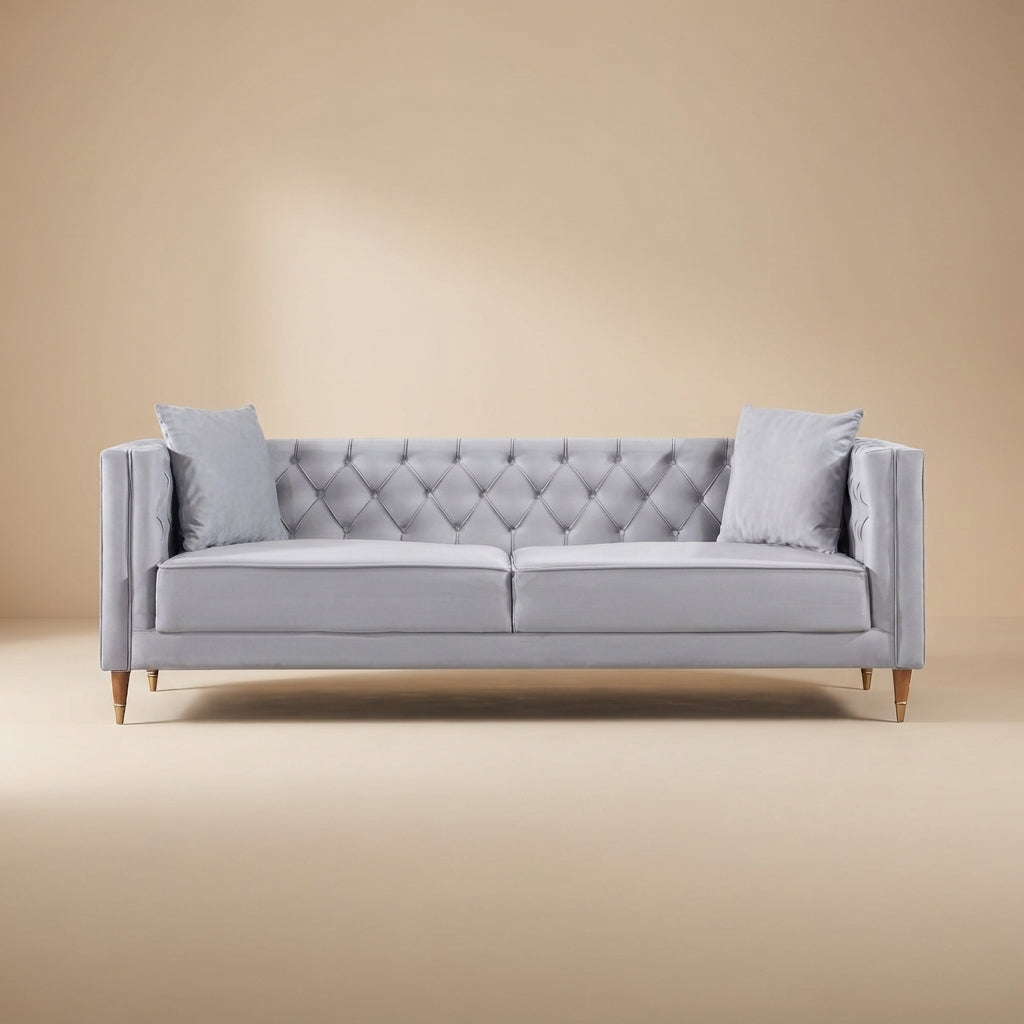
Mid-century modern furniture is defined by its geometry. Shapes are simple and deliberate — rectangular frames, rounded edges, and forms that feel confident without being complicated. Avoid pieces with heavy scrollwork, ornate carving, or excessive detail. The beauty is in the restraint.
Tapered Legs and Raised Profiles
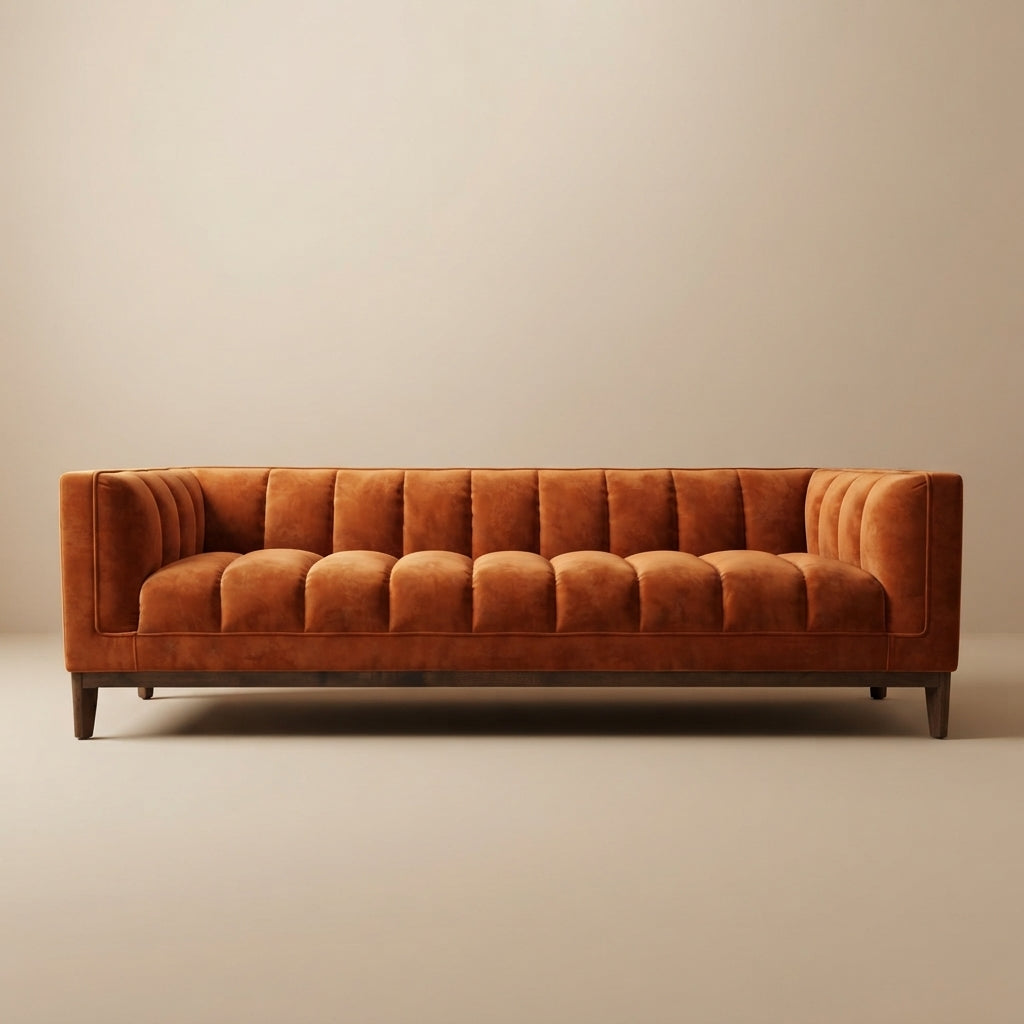
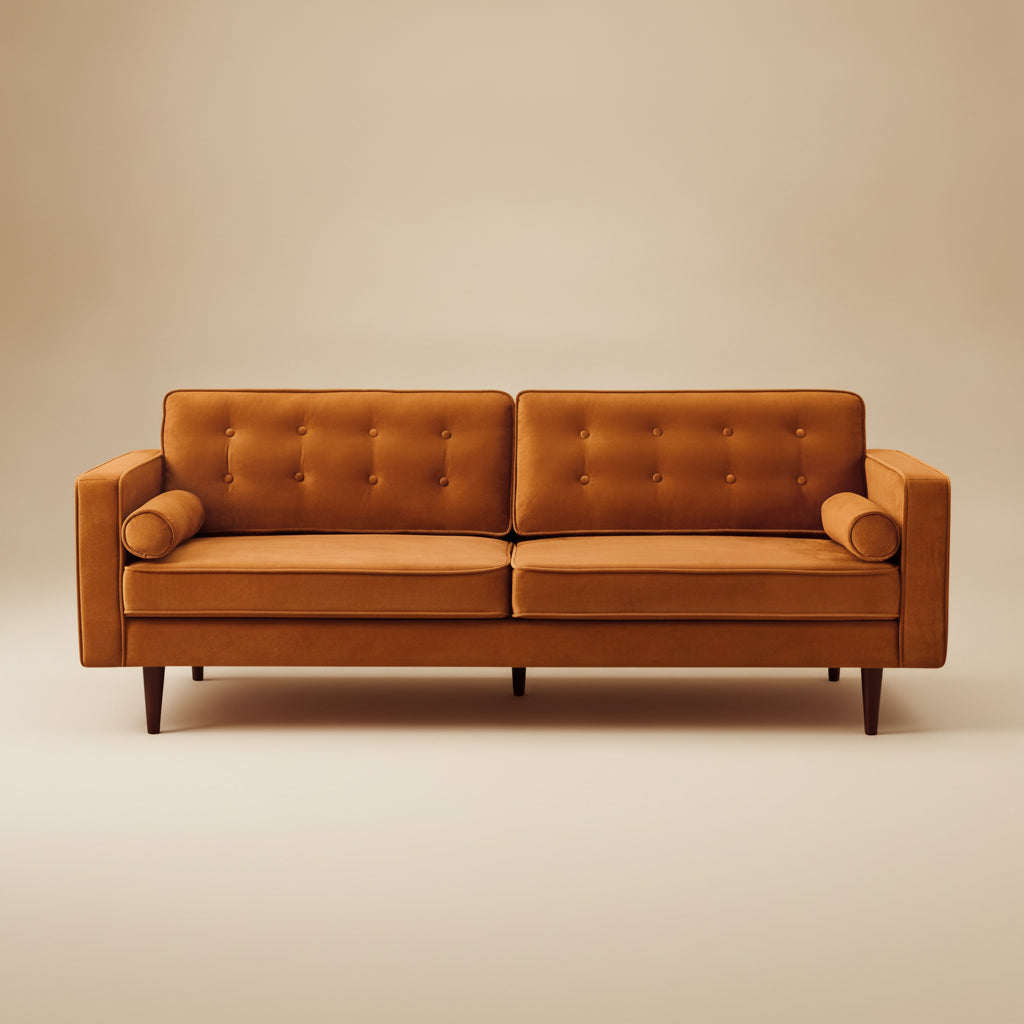
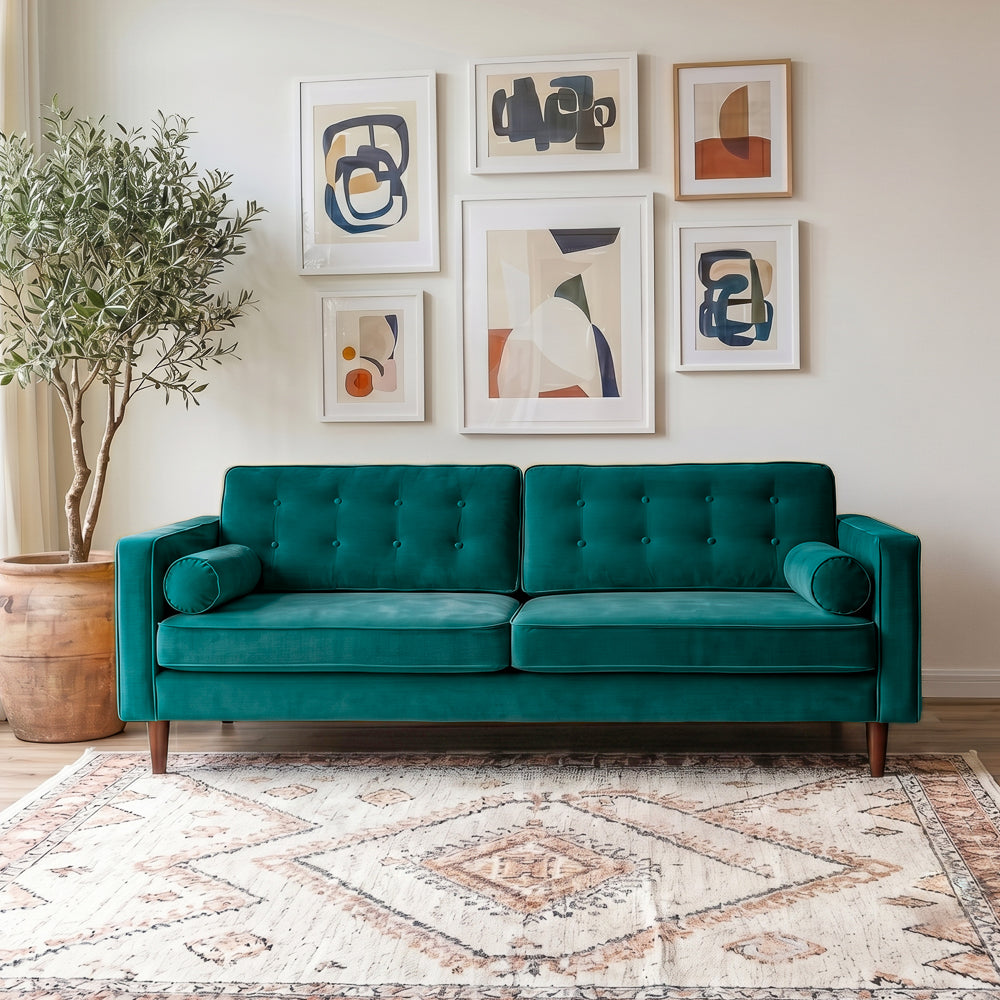
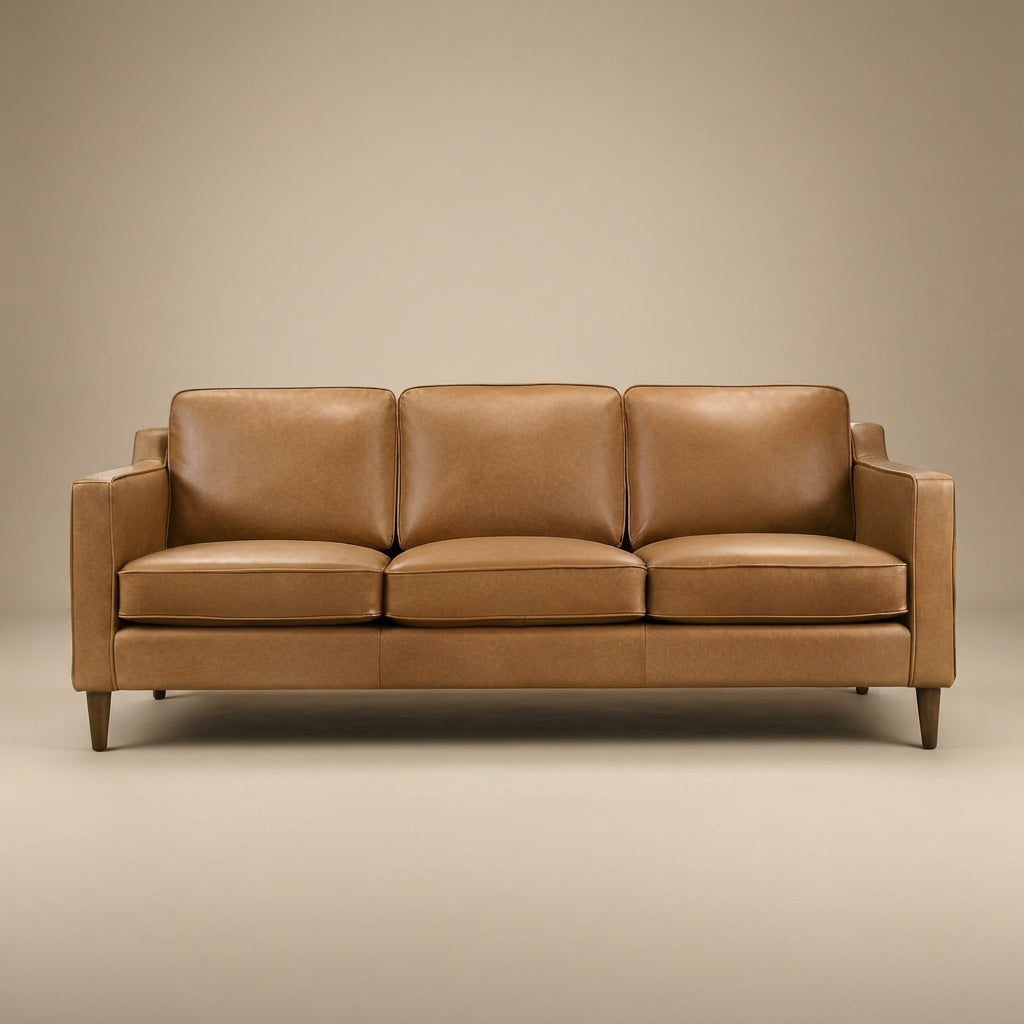
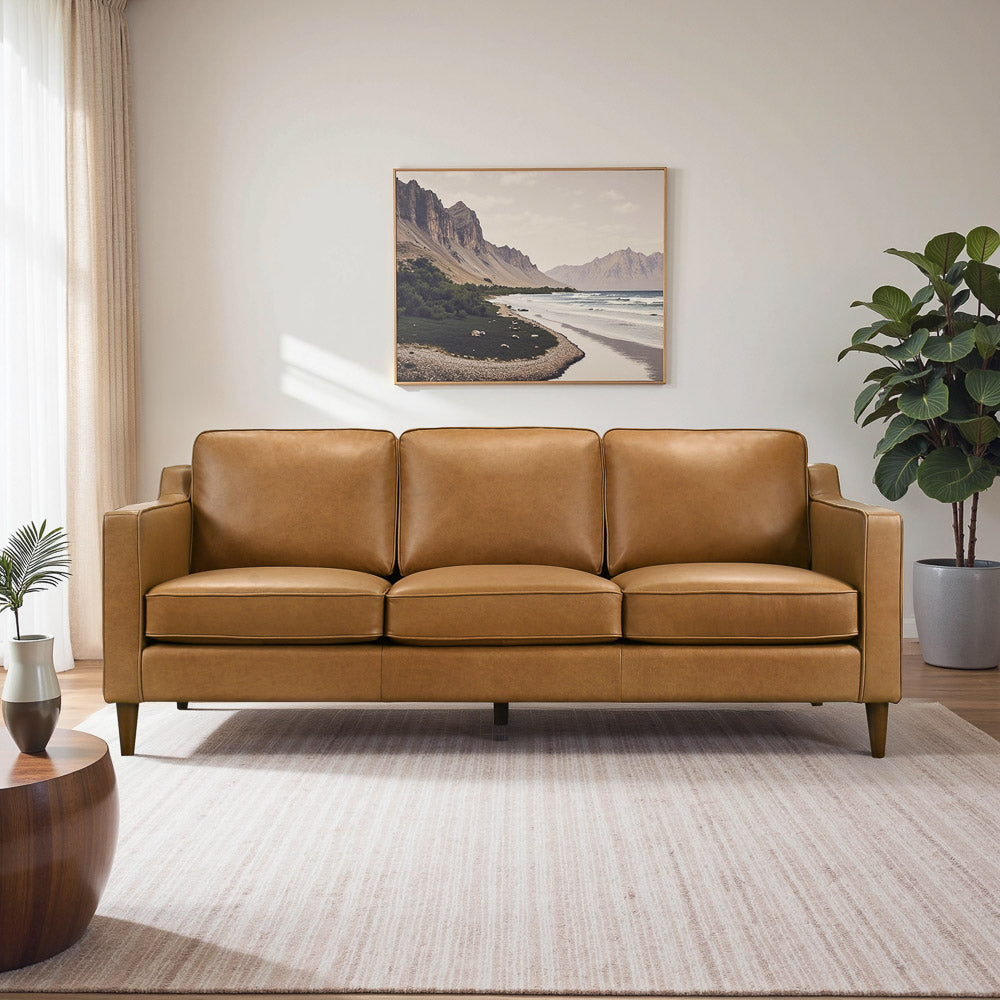
One of the most recognizable features of mid-century modern furniture is the tapered leg. Whether it's on a sofa, a dining chair, a dresser, or a side table, this detail immediately signals the aesthetic — and it serves a visual purpose, too. Raised furniture makes rooms feel more open and airy, even in smaller spaces.
Natural Wood Tones
Walnut, teak, and oak are the woods most closely associated with mid-century modern design. These warm, rich tones add depth and texture to a room and pair beautifully with both neutral upholstery and bolder accent colors. If you're choosing furniture for a mid-century inspired home, wood grain is your best friend.
Quality Materials Throughout
The mid-century modern ethos is about choosing less but choosing well. Leather upholstery, solid-wood frames, brushed-brass hardware, and quality textiles all contribute to a sense of craftsmanship central to the style. This isn't a look that's built on fast furniture — it's built on pieces that age with character.
Intentional Lighting
Lighting is often underestimated, but in a mid-century modern interior, it's a design statement. Sculptural floor lamps, globe pendants, and sputnik chandeliers are all hallmarks of the era. Look for brass finishes, interesting silhouettes, and fixtures that feel like pieces of furniture in their own right.

Mid-Century Modern Color Palettes
Color in a mid-century modern home walks a careful line. The base is almost always neutral — warm whites, soft creams, charcoal grays, and earthy taupes create a calming foundation that lets wood tones and natural materials breathe.
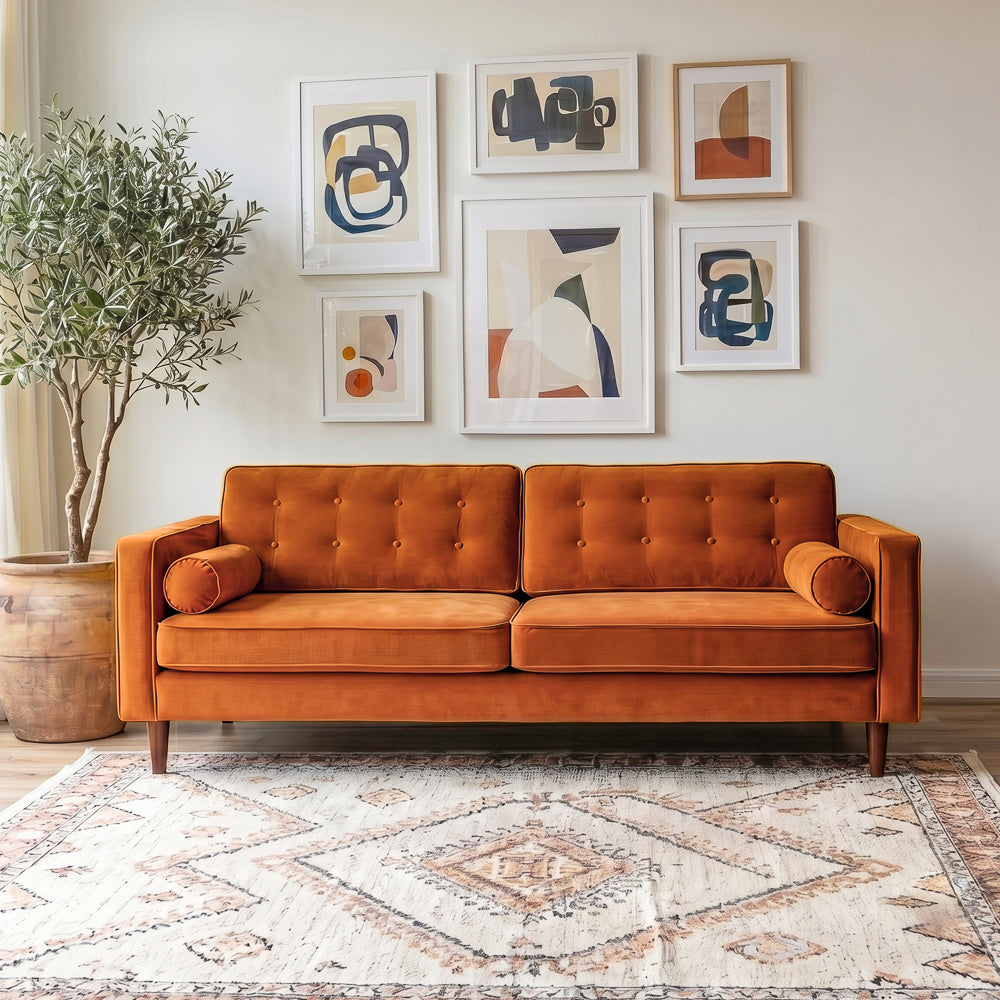
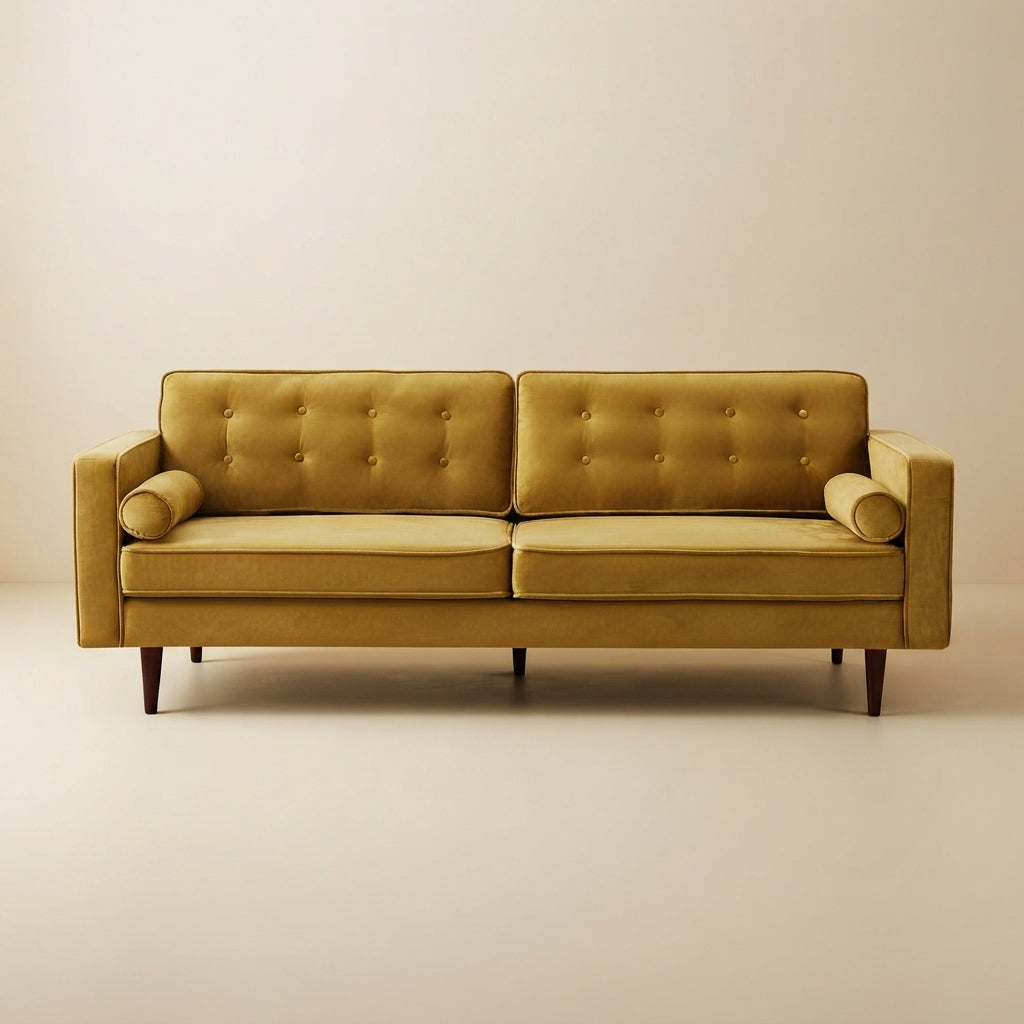
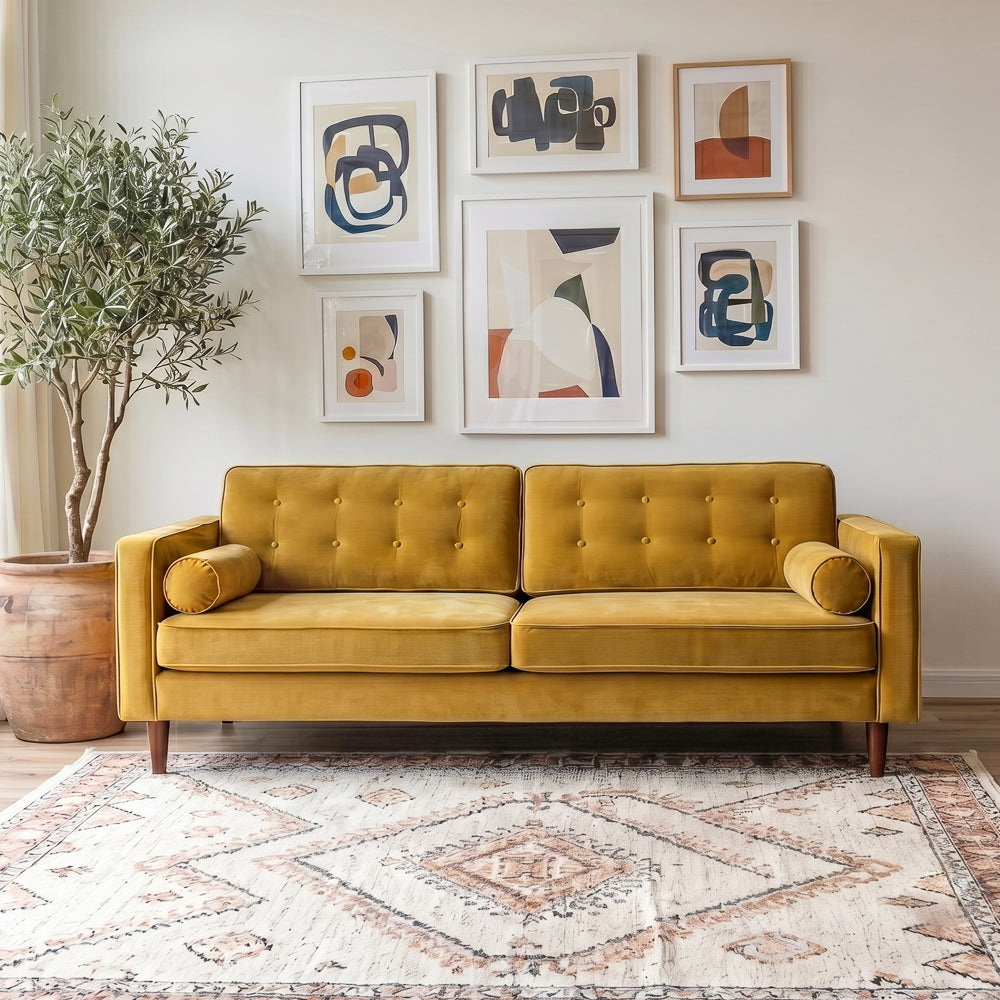
But neutrals alone don't tell the full story. The mid-century modern palette also embraces nature-inspired accent colors that add warmth and personality without feeling trendy. Think mustard yellow, burnt orange, olive green, deep navy, and soft terracotta. These aren't bright, saturated hues — they're earthy and slightly muted, which is what gives them their staying power.
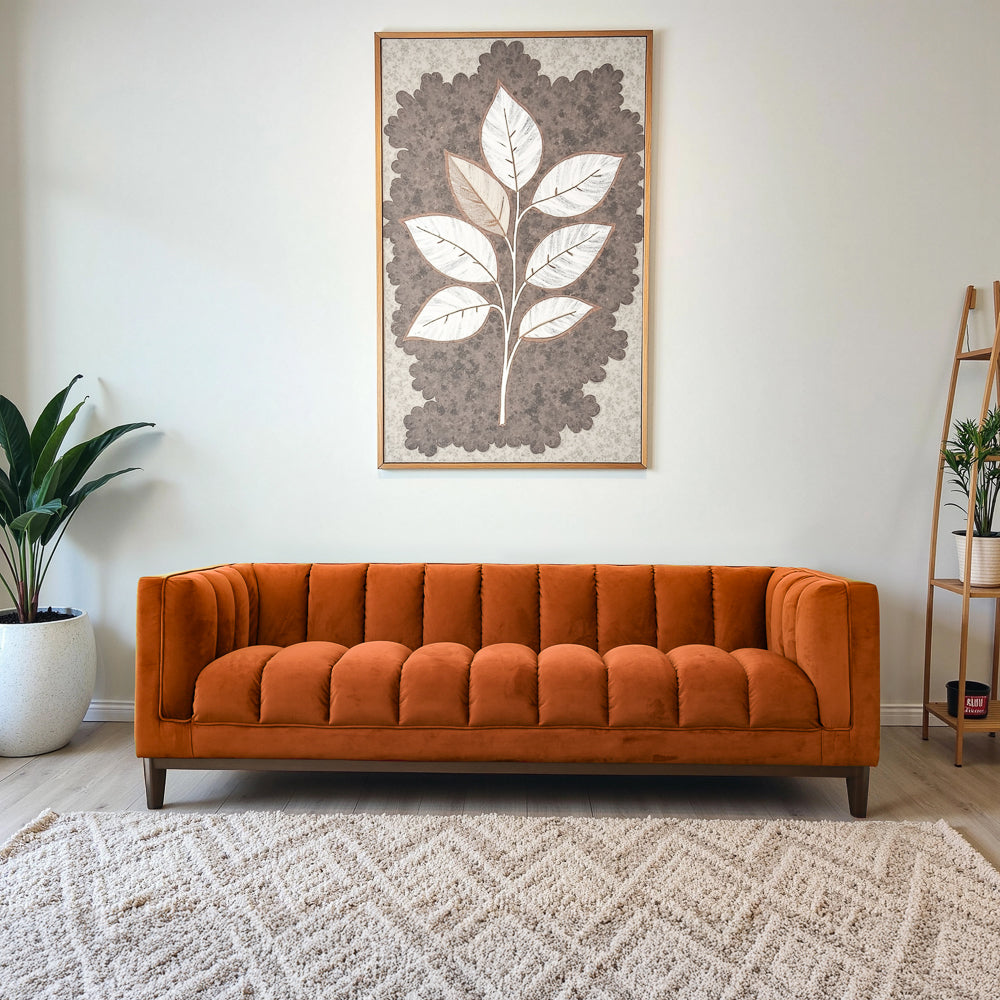
A practical approach: start with a neutral base for your walls and large upholstered pieces, then layer in one or two accent colors through rugs, throw pillows, artwork, and smaller furniture. This gives you flexibility to evolve the space over time without needing to repaint or reupholster.
Room-by-Room: How to Pull It All Together
The Living Room
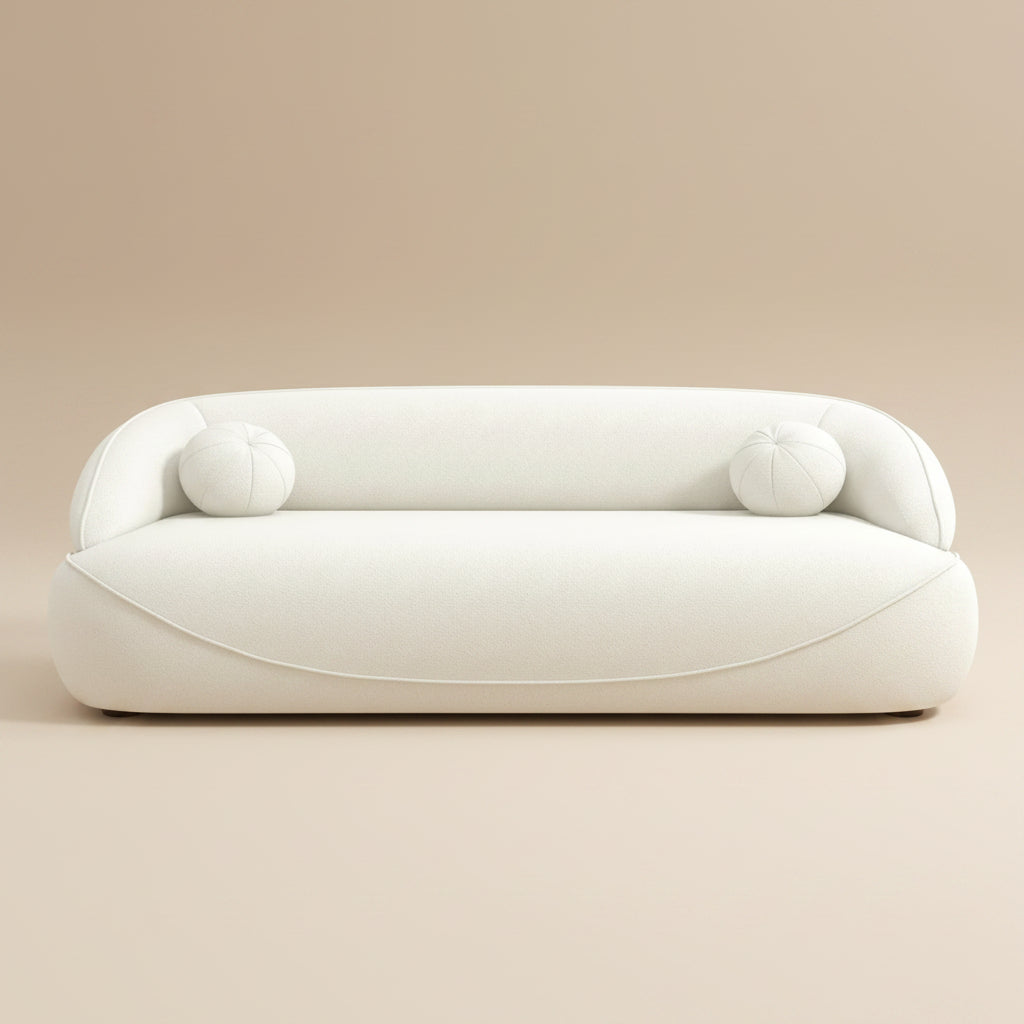
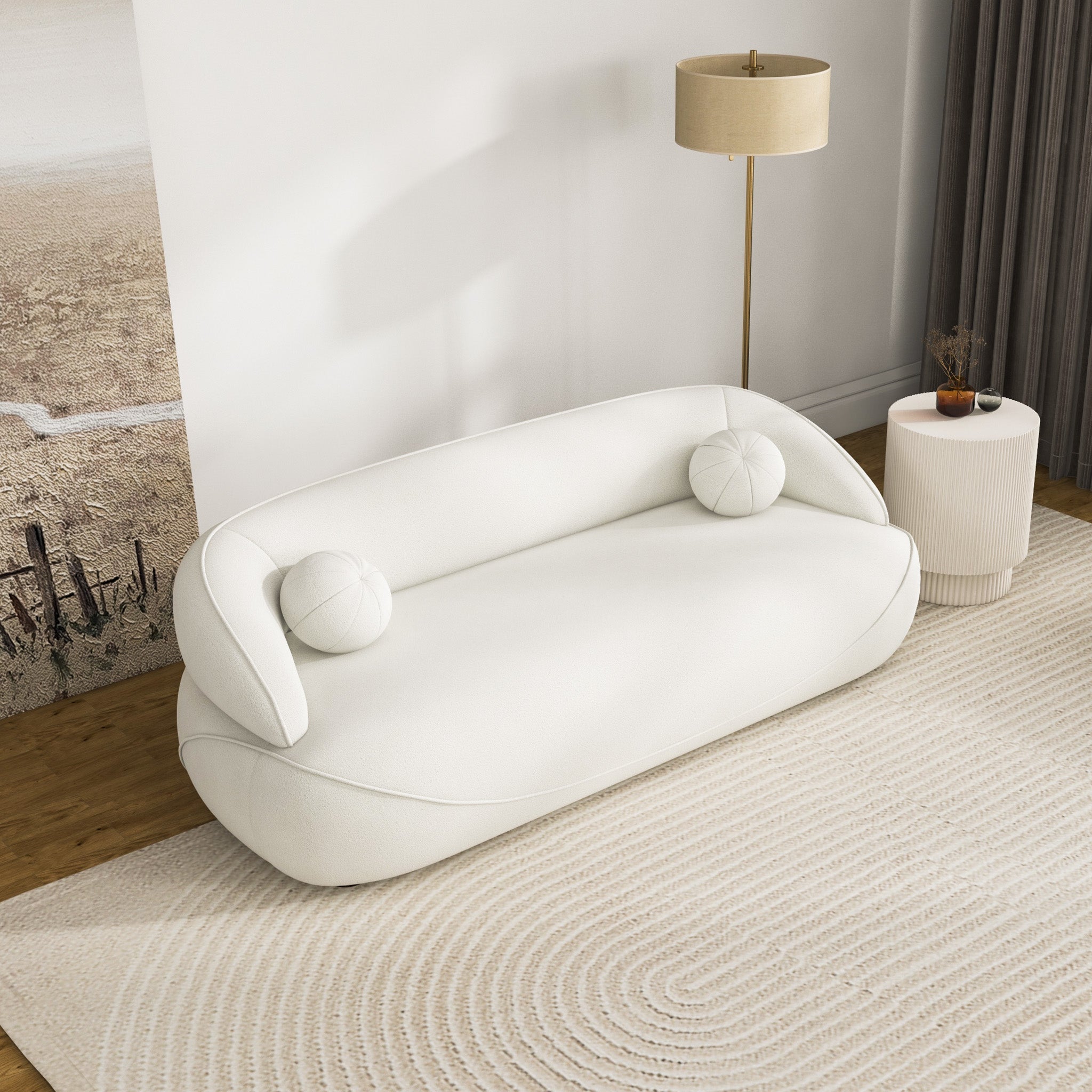
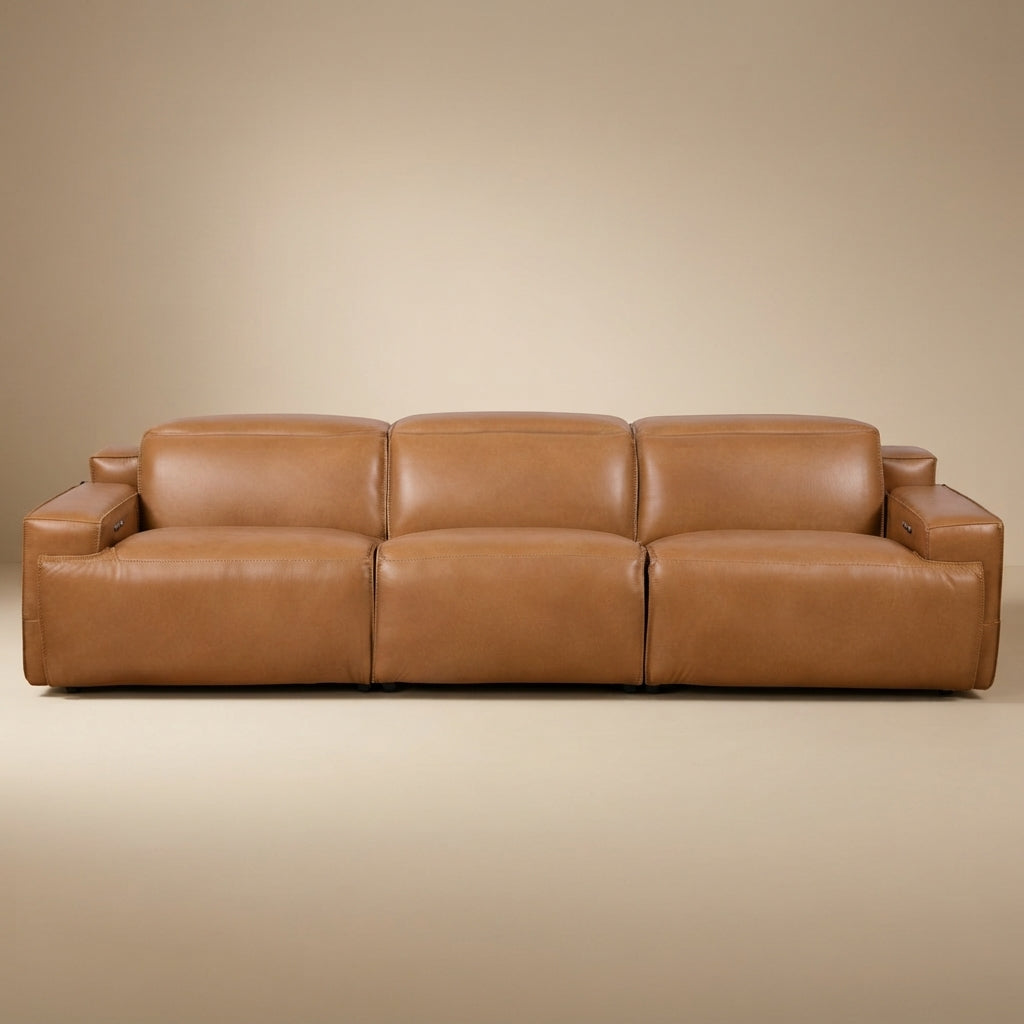
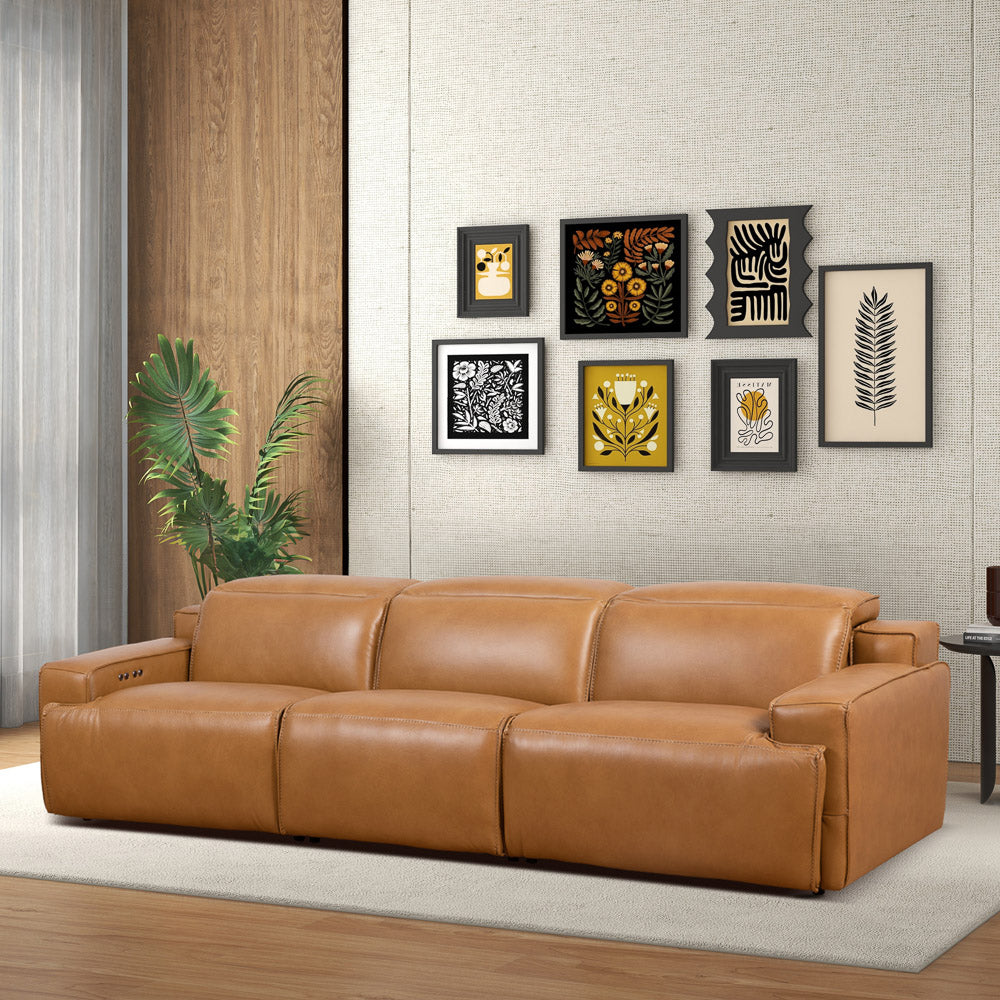
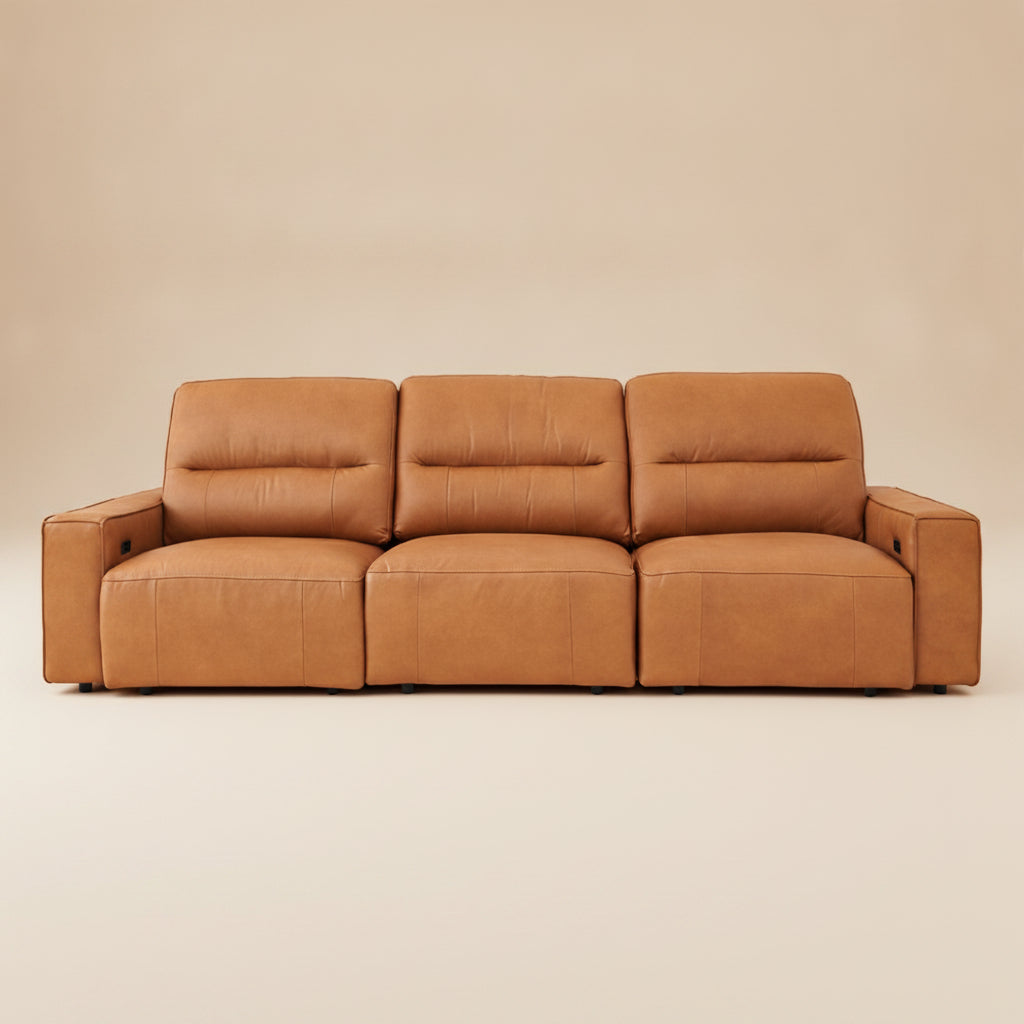
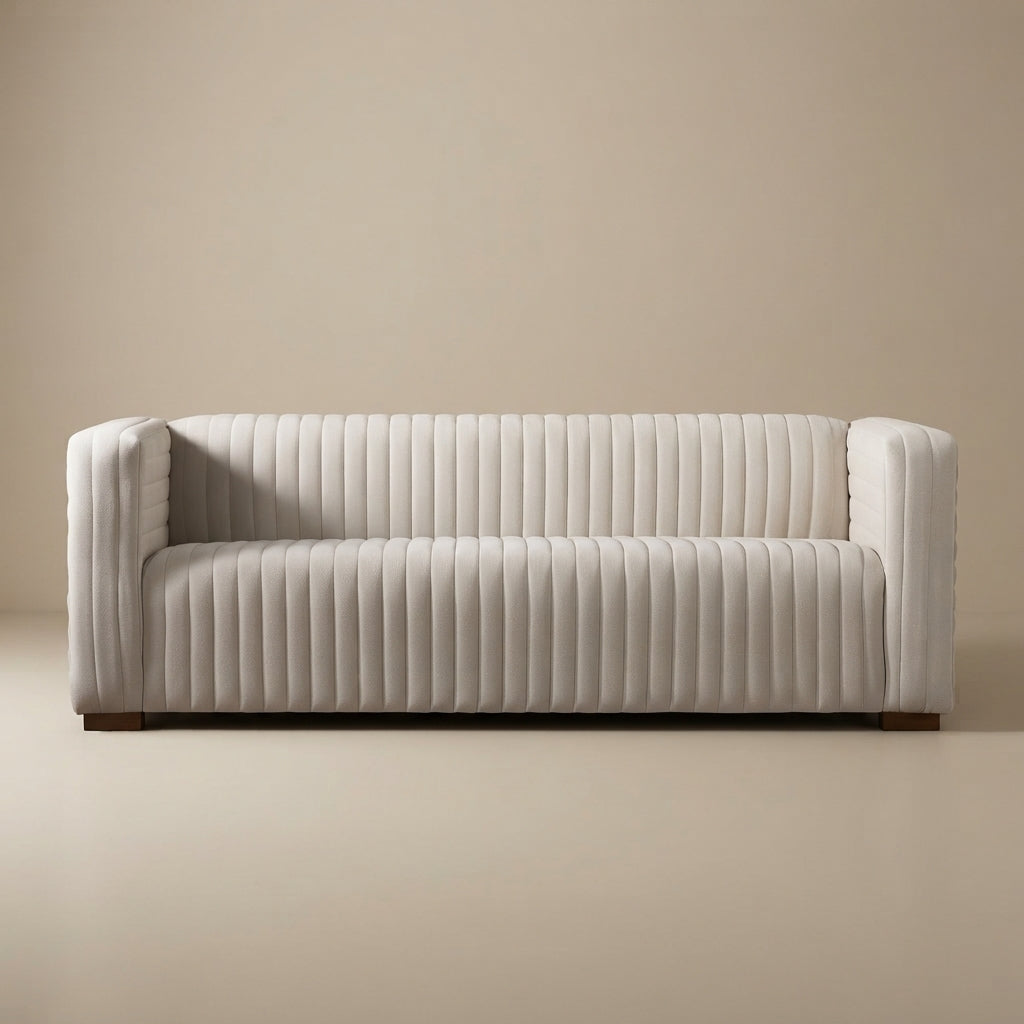
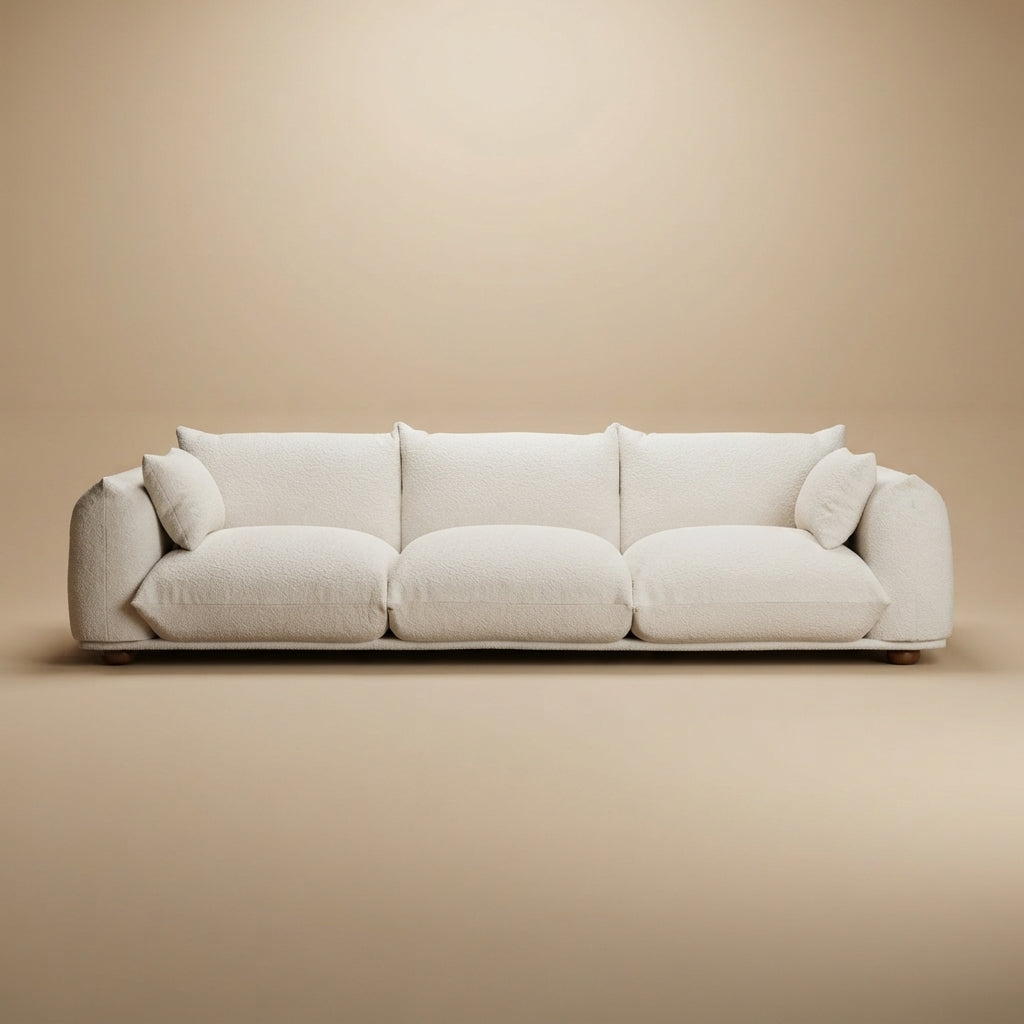
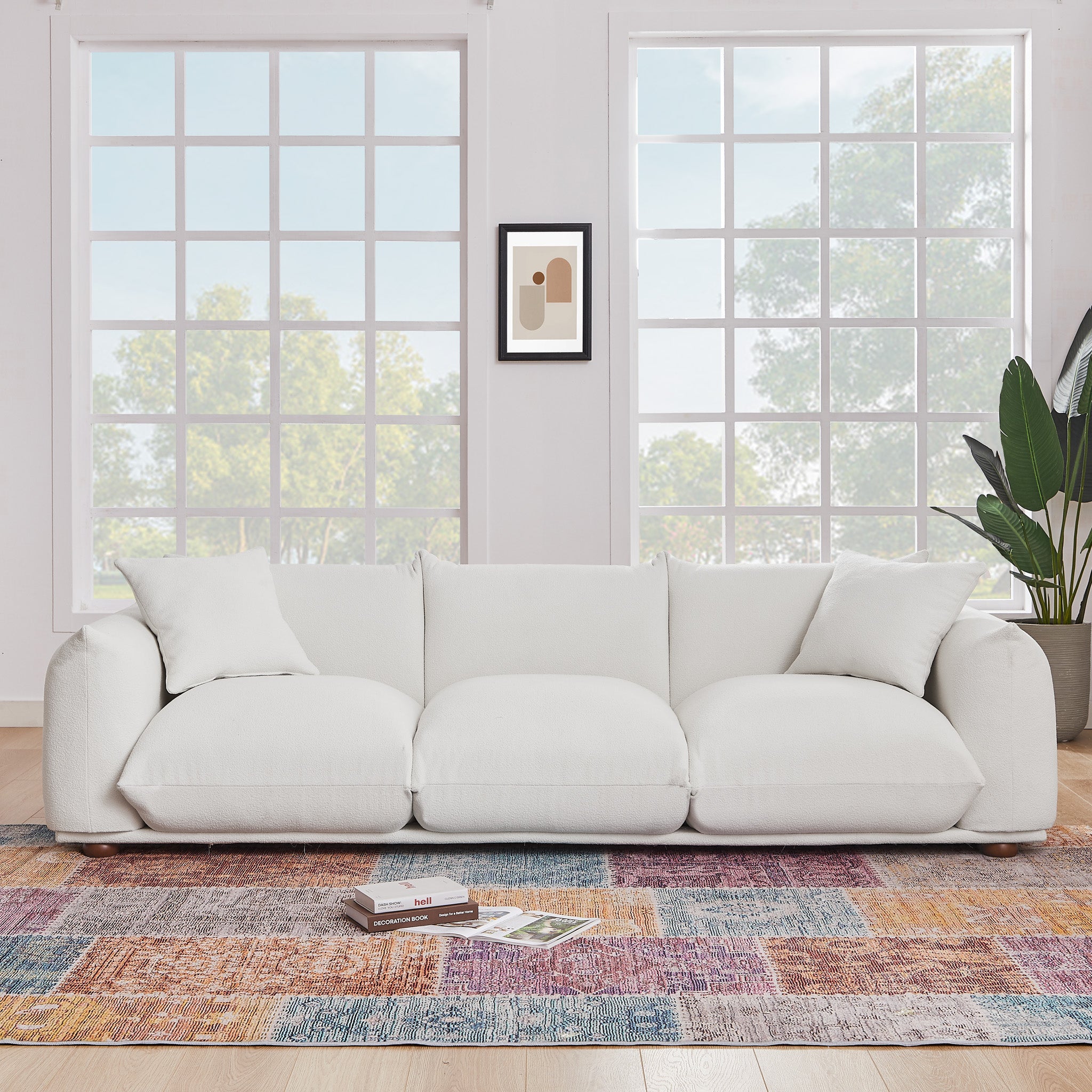
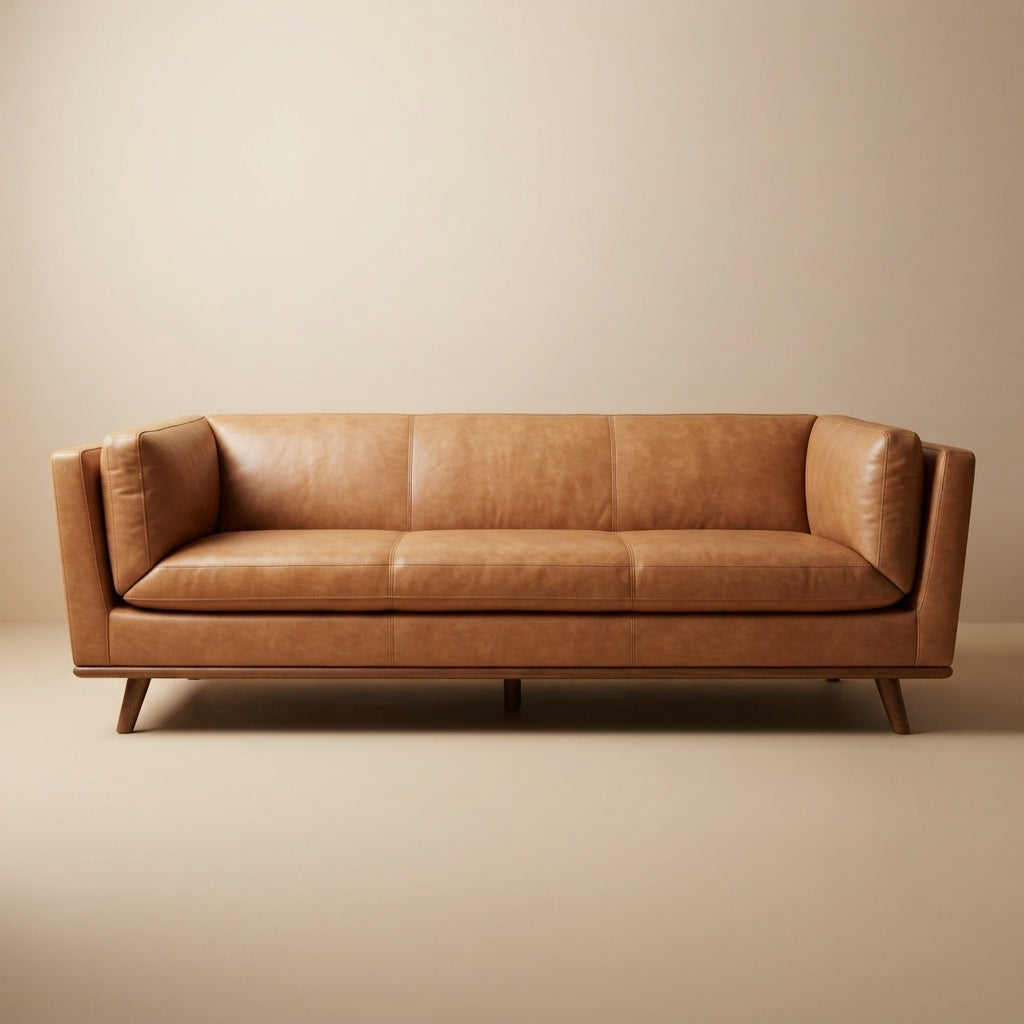
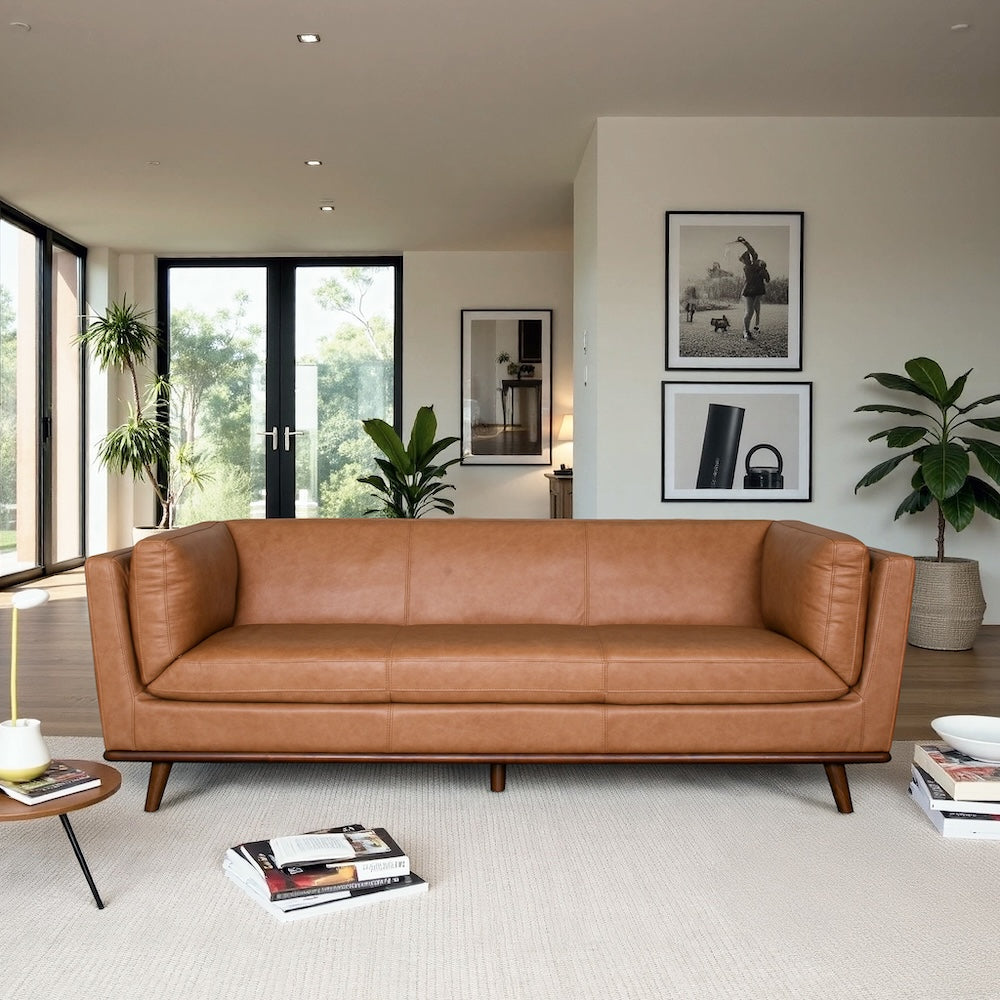
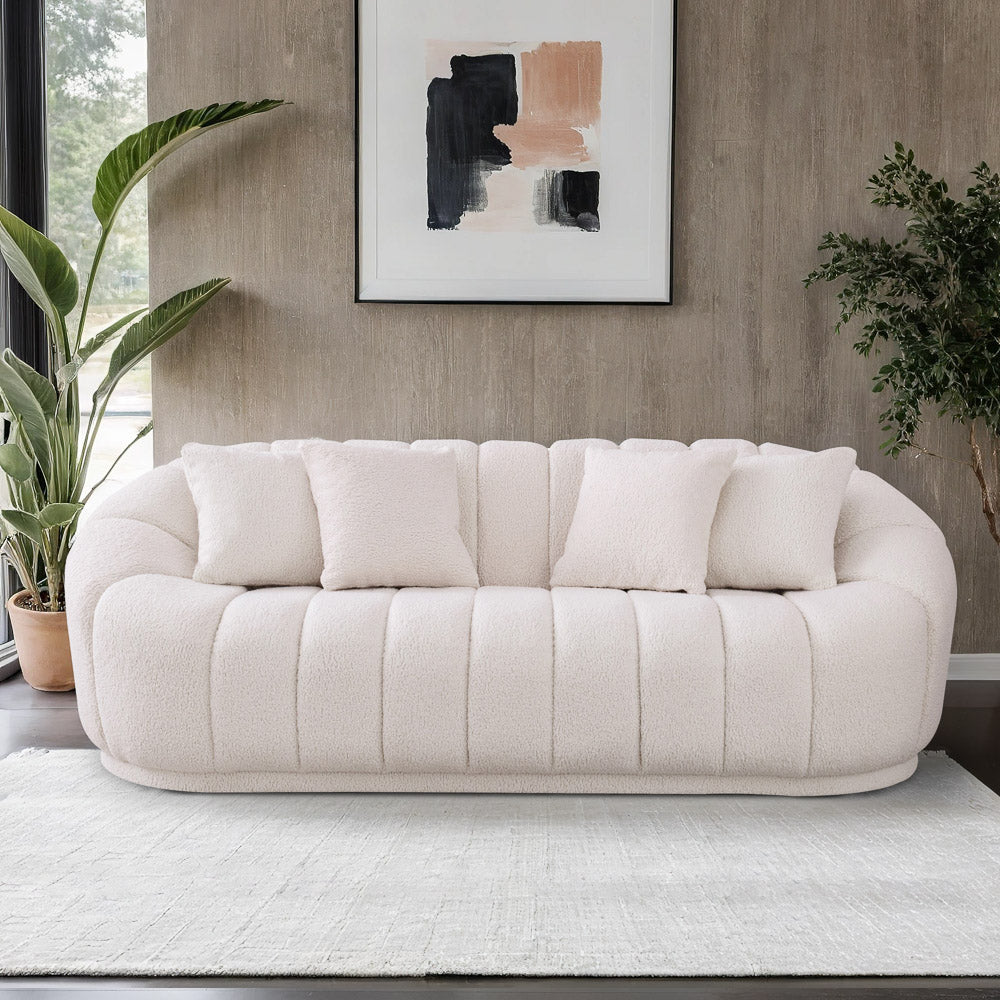
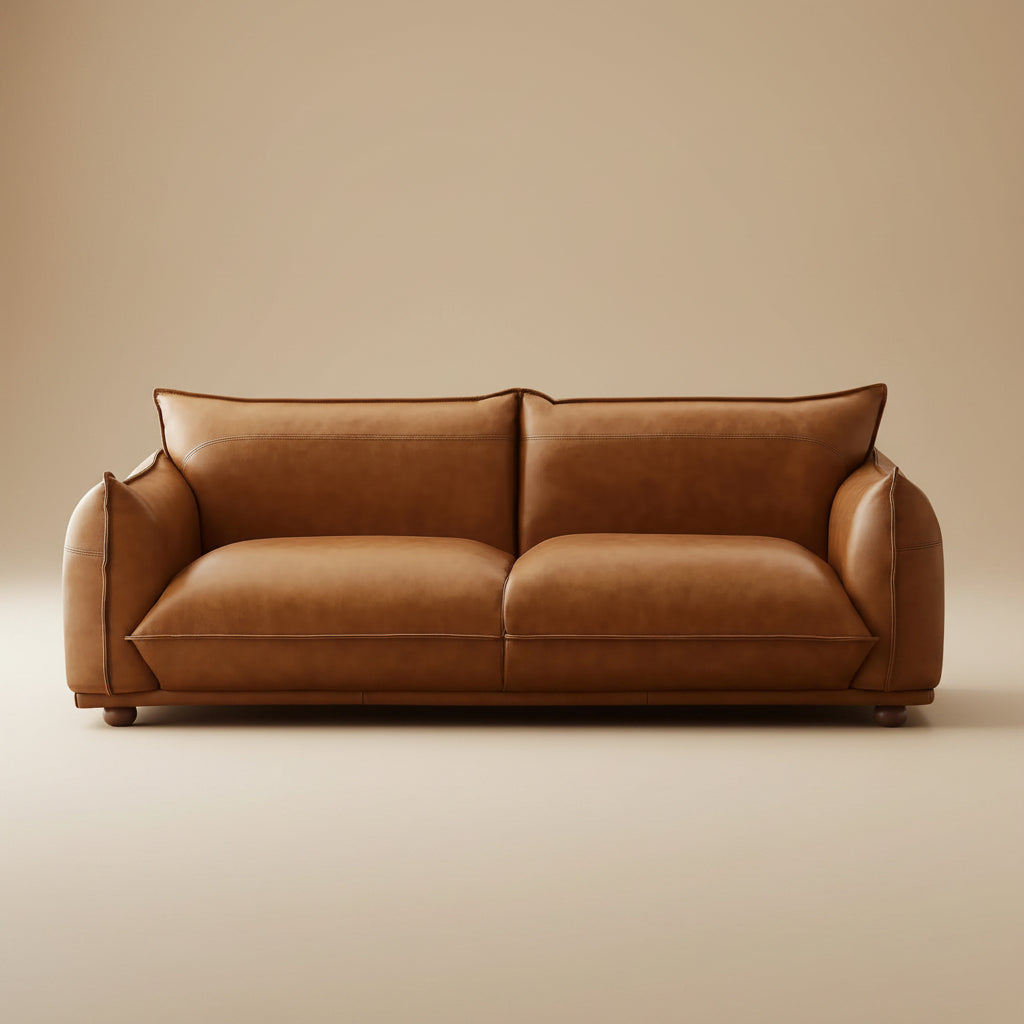
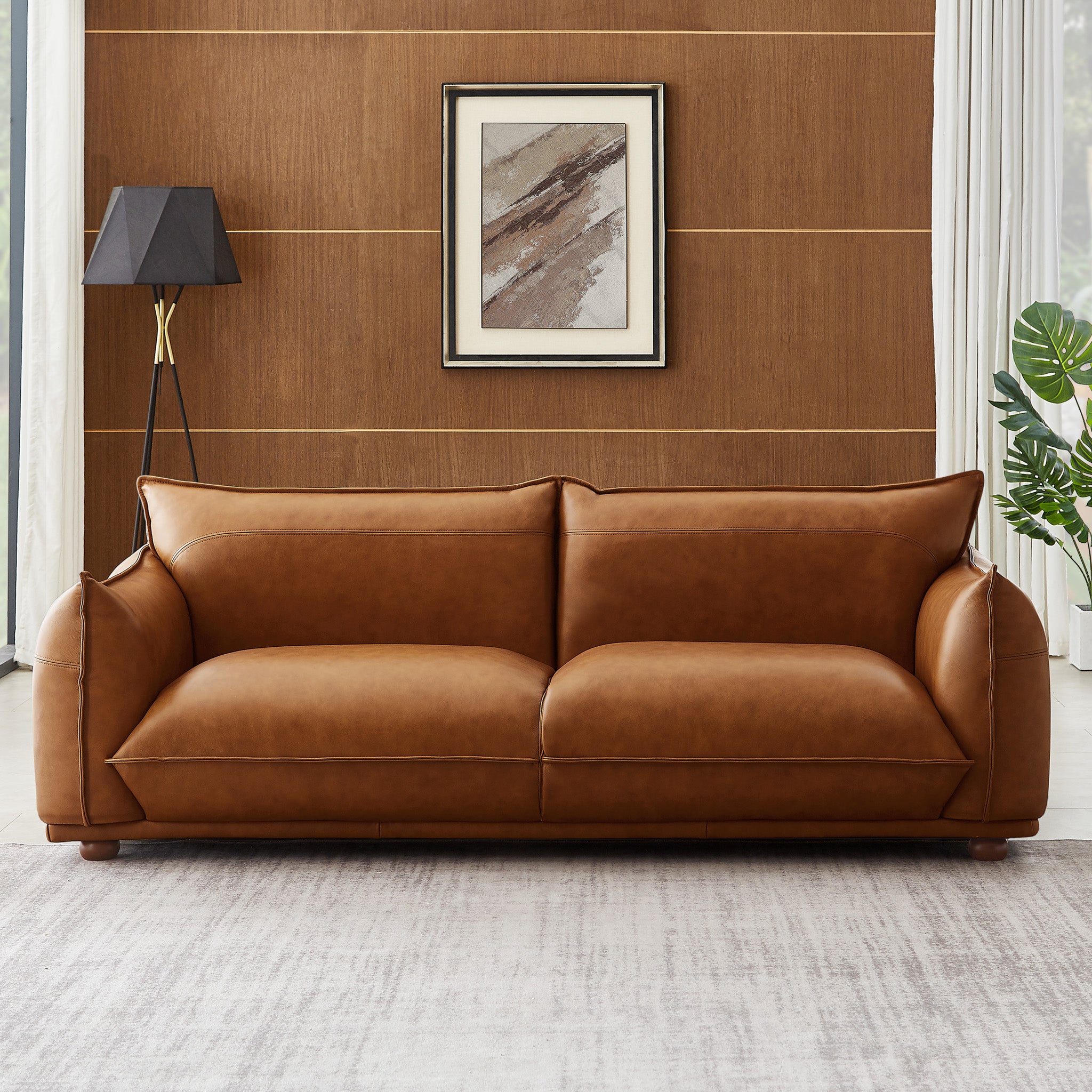
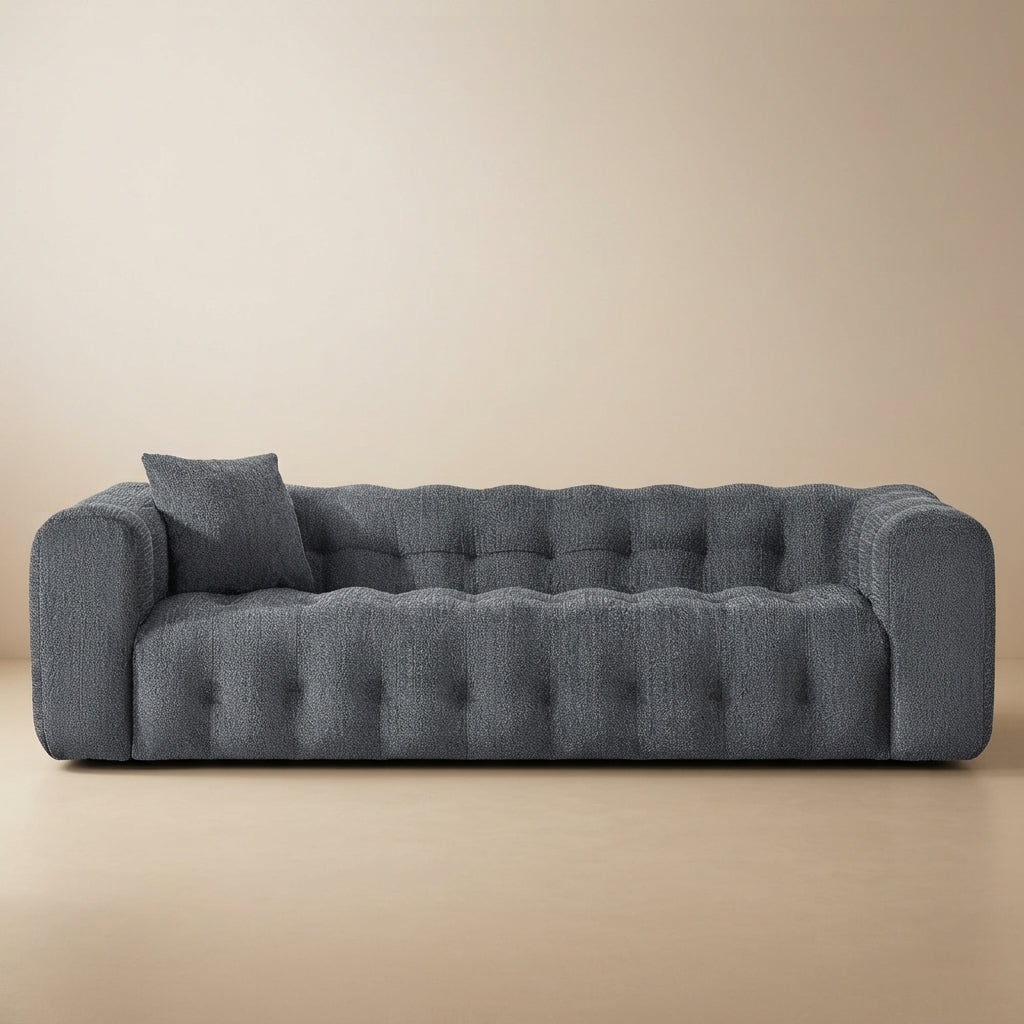
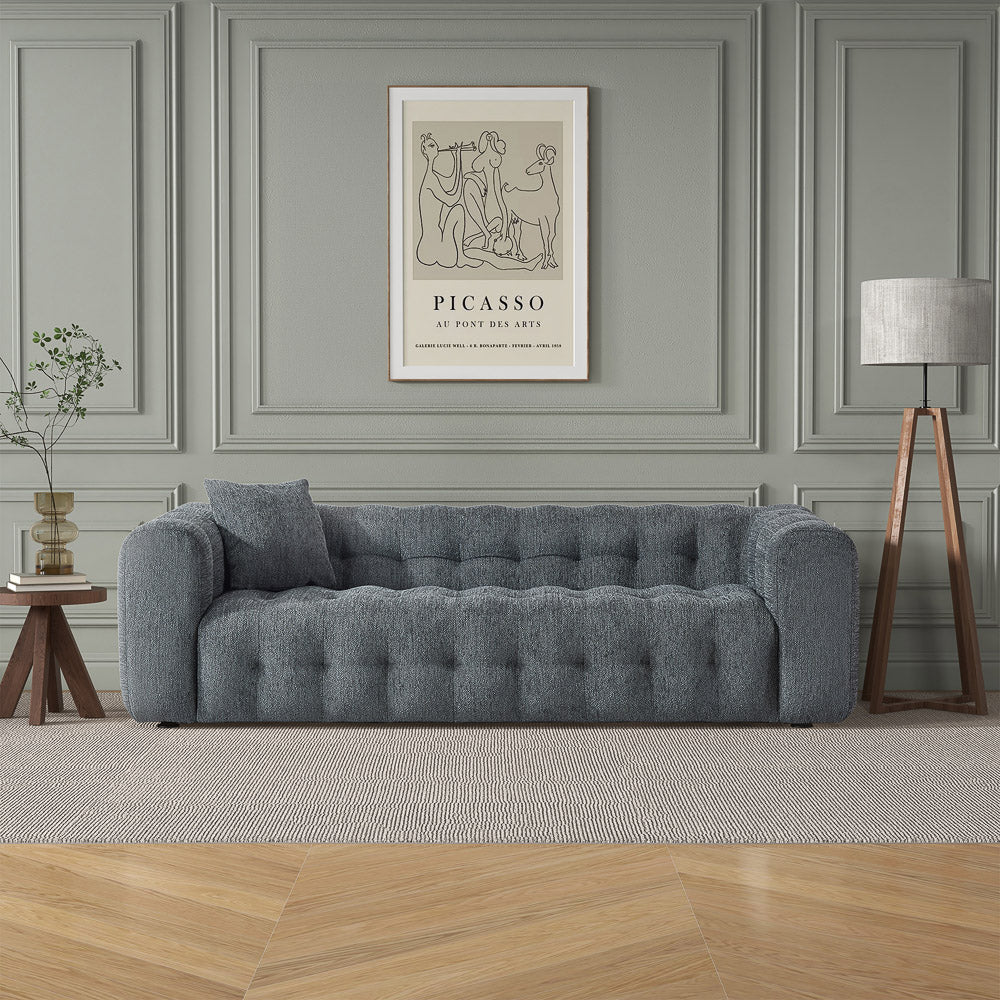
The living room is the heart of a mid-century modern home, and it's usually where the look comes together most naturally. Start with your sofa — this is the anchor piece, so choose it carefully. Look for clean lines, tapered legs, and upholstery in a textile that suits the palette you're building toward. A sofa in warm camel leather, soft sage velvet, or heathered gray linen all work beautifully.
From there, build the room outward. A low-profile coffee table in walnut or with a marble top adds visual weight at the center of the room. An accent chair in a complementary fabric introduces variety. A geometric area rug grounds the seating arrangement and adds texture underfoot.
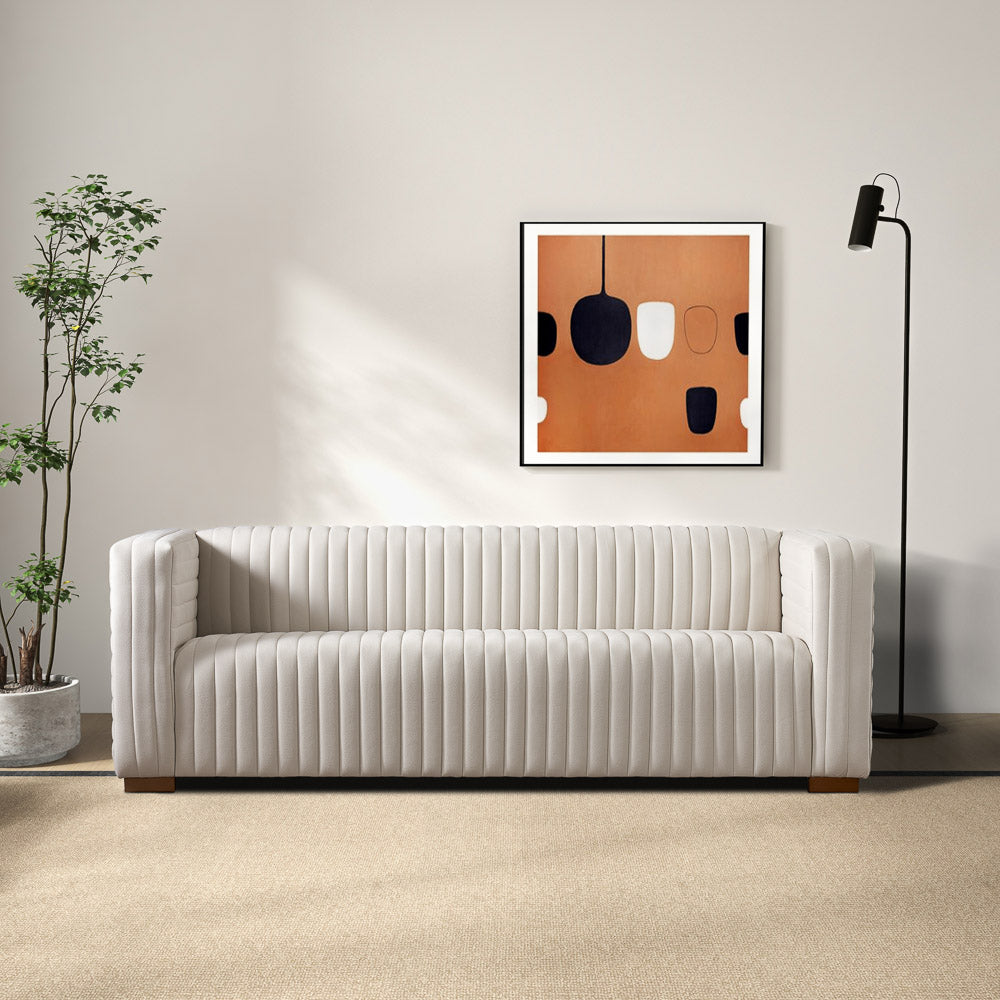
Lighting matters enormously here. A sculptural floor lamp in a corner or a statement pendant overhead can transform a room that might otherwise feel incomplete. And don't neglect the walls — a few pieces of abstract or geometric art, thoughtfully hung, add the finishing layer that makes a space feel curated rather than assembled.
The Bedroom
A mid-century modern bedroom should feel like a retreat — calm, deliberate, and free of visual clutter. A platform bed with a low wooden headboard sets the tone immediately. Pair it with matching nightstands that offer clean lines and perhaps a small drawer or two for practical storage.
Symmetry is your ally in the bedroom. Matching lamps on either side of the bed, balanced decor, and a composed arrangement of pillows and throws create a sense of harmony that feels restful. Choose bedding in warm neutrals and layer in texture through a chunky throw or a subtly patterned duvet.
Keep accessories edited. A ceramic vase on the nightstand, a framed print above the bed, a sculptural lamp — these details are enough. The goal is a room that feels thoughtfully styled, not crowded.
The Dining Room
The dining room is an opportunity to lean into the elegance of mid-century modern design. A solid wood dining table with tapered legs becomes an immediate focal point — and because wood is such a central material in this aesthetic, it immediately sets the tone for everything around it.
Chair selection is where things get interesting. Mixing materials — say, a wood dining chair with an upholstered seat, or a metal-legged chair with a curved back — adds visual complexity without losing cohesion. This is a room where a pendant light can do a lot of heavy lifting: a brass globe pendant or a cluster of hand-blown glass shades centered above the table defines the space and adds warmth
.
Keep the table itself relatively clear. A simple ceramic bowl, a small vase with dried stems, or a woven table runner is all you need to make the space feel styled without cluttering the surface you're meant to use.
The Home Office
The home office is where the functional side of mid-century modern design really shines. Because the aesthetic is rooted in practicality and clean thinking, it translates naturally into a workspace.
Choose a desk with real character — a wood surface with tapered legs, or a walnut credenza that doubles as storage. Pair it with a desk chair that balances comfort with form. Add a task lamp with a brass finish and a simple, clean profile.
The key in a home office is keeping the space focused. A few curated objects on a shelf — a stack of design books, a ceramic piece, a small plant — add personality without distraction. The goal is a space that feels inspiring because it's calm, not because it's decorated within an inch of its life.
Affordable Ways to Start (Without a Full Redesign)
One of the most appealing things about mid-century modern style is that it doesn't require you to start from zero. Even a few well-chosen additions can significantly shift the feel of a room.
A geometric area rug is one of the highest-impact, most accessible starting points. Look for patterns in warm neutrals or earthy accent tones that complement whatever furniture you already have. Swap out a basic light fixture for something with a sculptural quality — even a small change like this can make a room feel instantly more intentional.
Throw pillows in mustard, olive, or terracotta can introduce the era's signature color palette into a living room or bedroom without any commitment. Swap the cabinet hardware for brushed-brass pulls. Add a walnut-toned side table next to your sofa. Hang a single large-scale abstract print above a console.
These are small moves, but when layered thoughtfully, they add up to a room that feels cohesive and considered.
Bringing Mid-Century Modern Design Into Your Home
Mid-century modern design has endured for more than half a century because it was never really about aesthetics alone — it was about the belief that good design makes daily life better. Cleaner, calmer, more intentional. A home that reflects those values never goes out of style.
Whether you're starting with a single room or planning a whole-home transformation, the process is the same: choose quality pieces with clean lines and natural materials, build a color palette that feels warm and livable, and let each room breathe.
At MidInMod, we believe great furniture should feel like it was made for your life — not the other way around. Explore our collection of mid-century modern sofas, dining tables, bedroom furniture, and accent pieces designed to bring this timeless aesthetic into real homes, lived in every day.
Your home is waiting. Let's make it one you love coming back to.
What defines mid-century modern style in home decor?
Mid-century modern style is defined by clean lines, functional furniture, and a warm use of natural materials like walnut wood, leather, and brass. The look originated between the 1940s and late 1960s and is characterized by tapered legs, low-profile silhouettes, and a color palette rooted in earthy neutrals with nature-inspired accents like mustard yellow, olive green, and burnt orange. The core philosophy is simple: every piece should be both beautiful and purposeful.
How do I start incorporating mid-century modern design without redecorating my entire home?
You don't need a full redesign to introduce mid-century modern style. Start small with high-impact swaps — replace a basic light fixture with a sculptural pendant or floor lamp, add a geometric area rug in warm neutrals, or bring in throw pillows in earthy accent tones. A single statement furniture piece, like a walnut side table or an accent chair with tapered legs, can shift the entire feel of a room without touching anything else.
What colors work best in a mid-century modern interior?
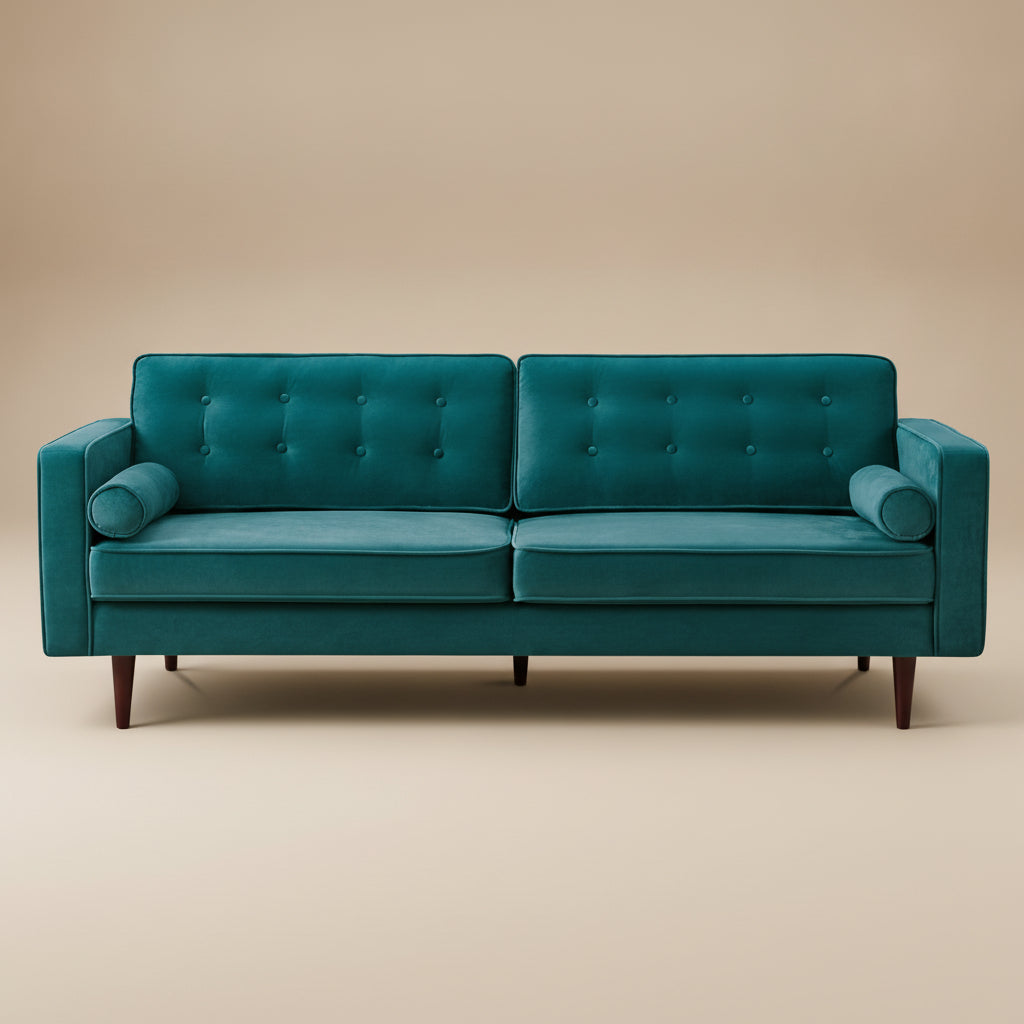
Mid-century modern color palettes are grounded in warm neutrals — soft whites, creamy beiges, charcoal, and earthy browns — layered with rich accent tones drawn from nature. Mustard yellow, rust orange, olive green, deep navy, and muted teal are all classic choices. The key is to use neutrals as your foundation for walls and large upholstered pieces, then introduce one or two accent colors through rugs, artwork, and decorative accessories.
What types of furniture are essential for a mid-century modern living room?
A mid-century modern living room typically centers around a sofa with clean lines and tapered legs, paired with a low-profile coffee table — ideally in walnut or with a marble top. An accent chair in a complementary fabric, a geometric area rug, and a sculptural floor lamp complete the core arrangement. The goal is an open, conversational layout where every piece feels intentional rather than crowded.
Is mid-century modern furniture a good long-term investment?
Yes — and for good reason. Mid-century modern furniture is built around quality materials and timeless design principles rather than short-lived trends. Solid wood frames, durable upholstery, and classic silhouettes mean these pieces age gracefully and remain stylish decade after decade. Unlike trend-driven furniture that needs replacing every few years, well-made mid-century modern pieces tend to hold their appeal — and often their value — over time. Choosing quality from the start means you buy less and enjoy it longer.





Leave a comment
This site is protected by hCaptcha and the hCaptcha Privacy Policy and Terms of Service apply.