

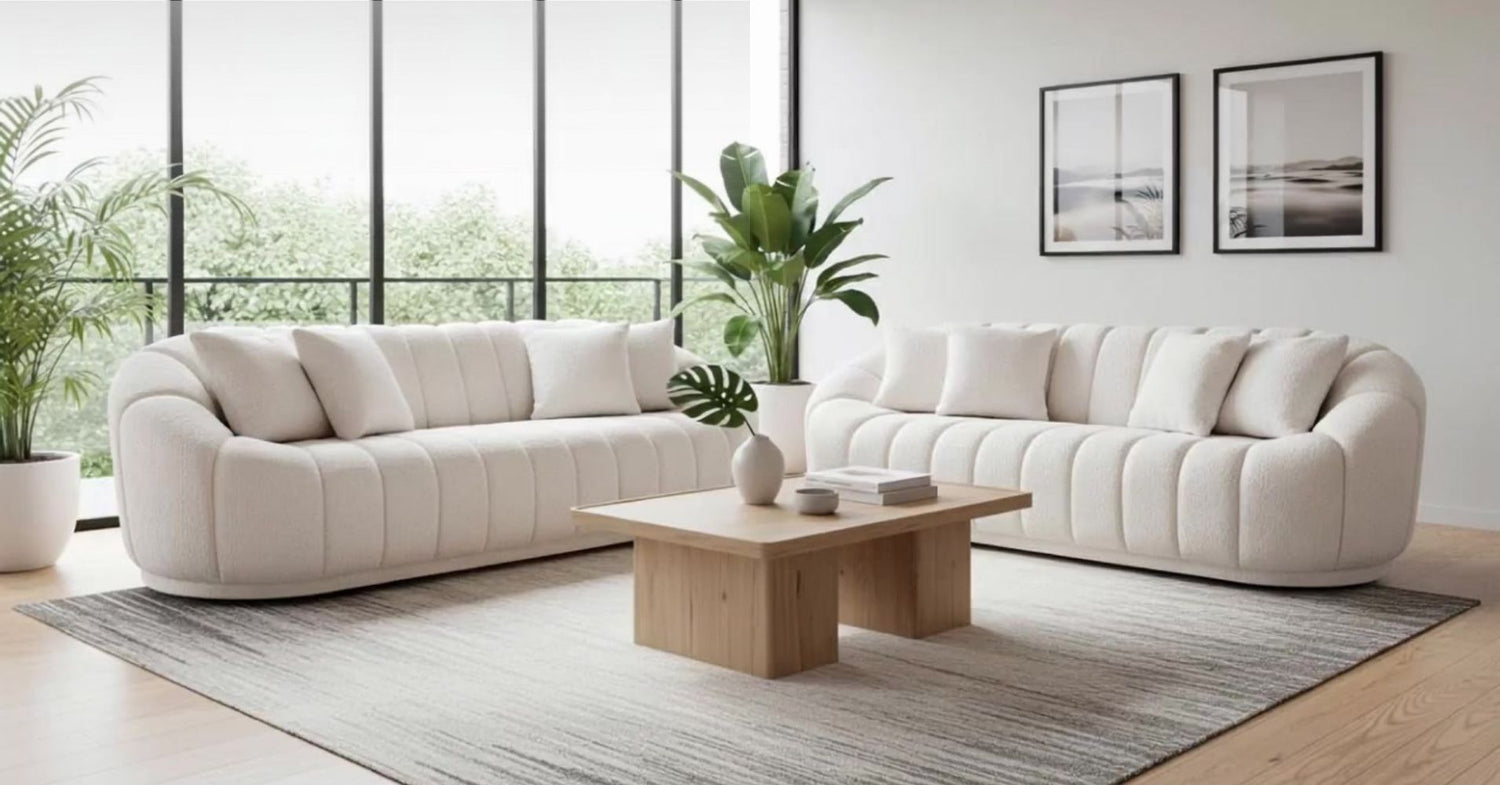
Pick the right seating for your home. Whether furnishing your first apartment or updating a family room, knowing the difference between a loveseat and a sofa helps you choose the option that fits your lifestyle and space.
Loveseats and sofas give comfort and style but differ in size, seating, price, and fit. Using both adds flexibility and warmth to your space.
This guide helps you choose between loveseats and sofas. Discover differences, costs, features, and tips for a stylish, practical home.
Understanding the Loveseat
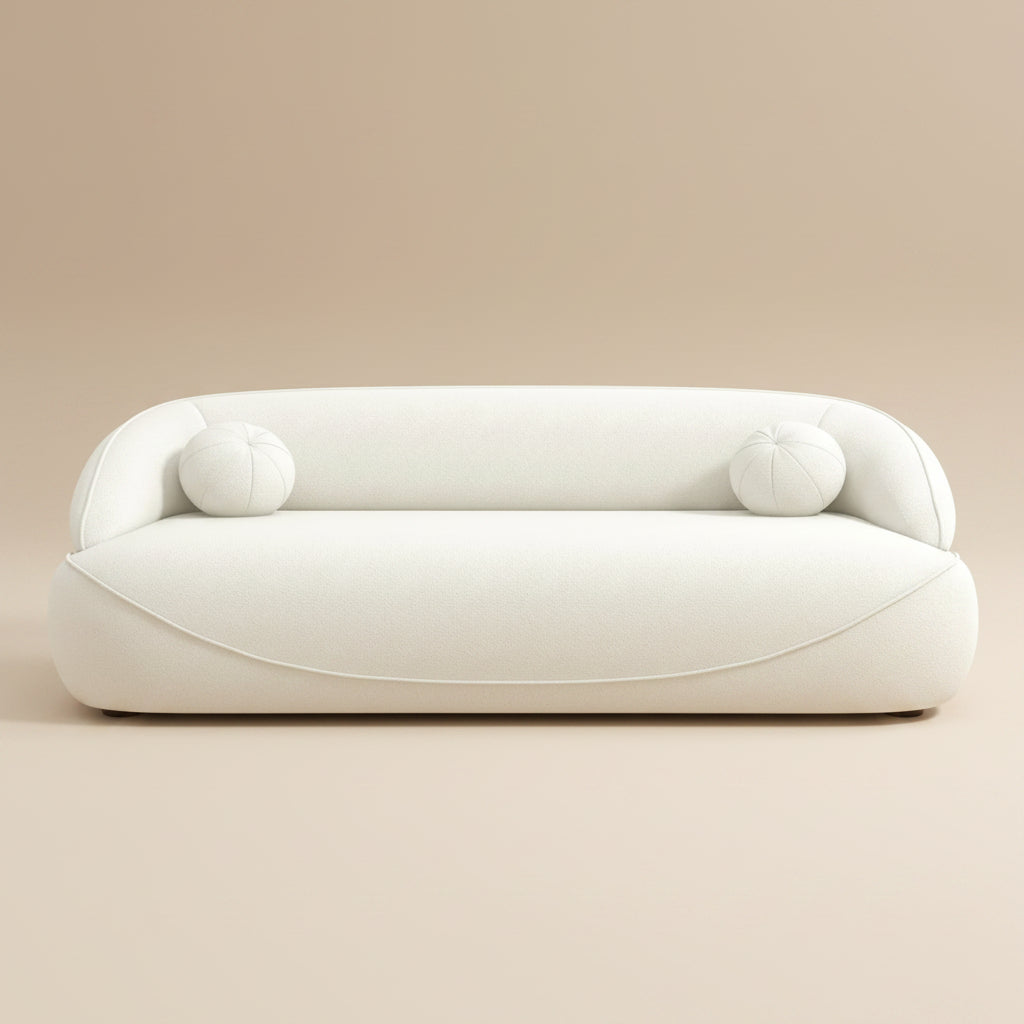
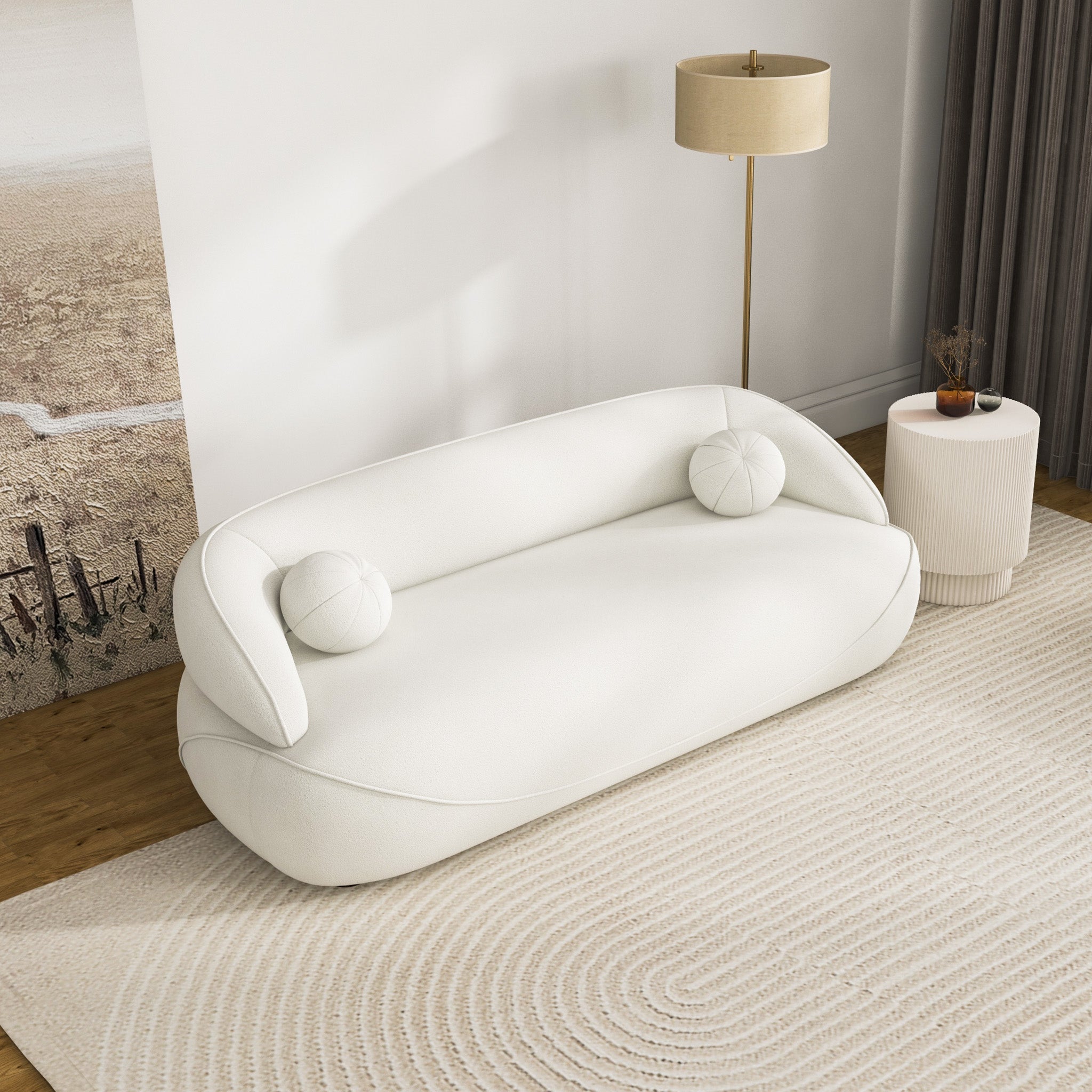
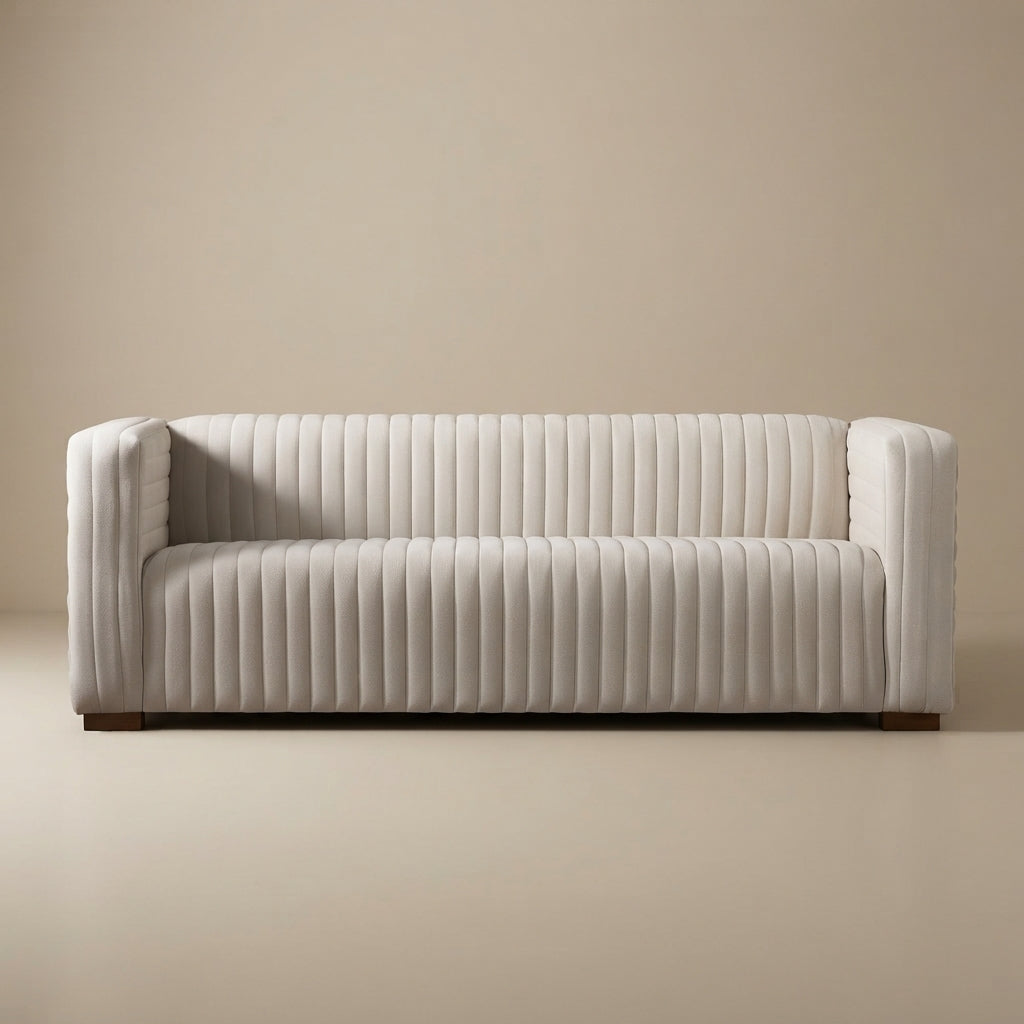
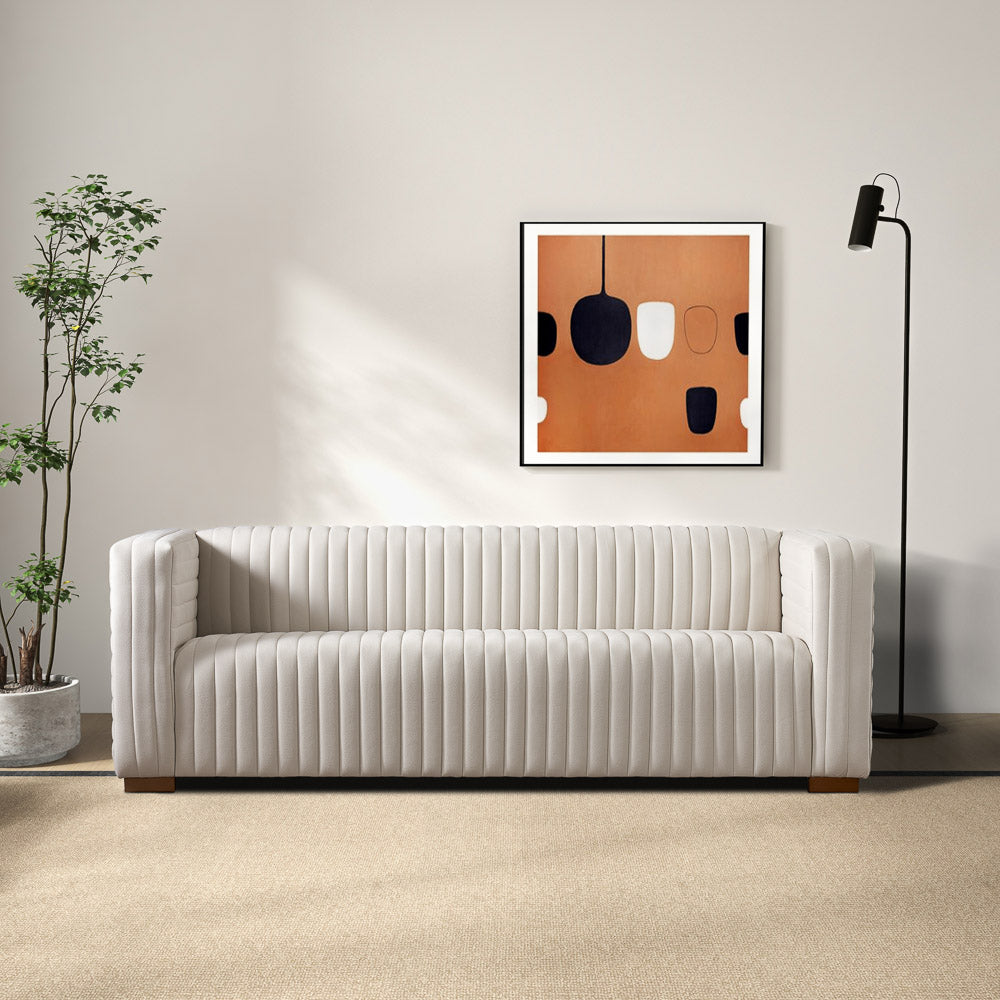
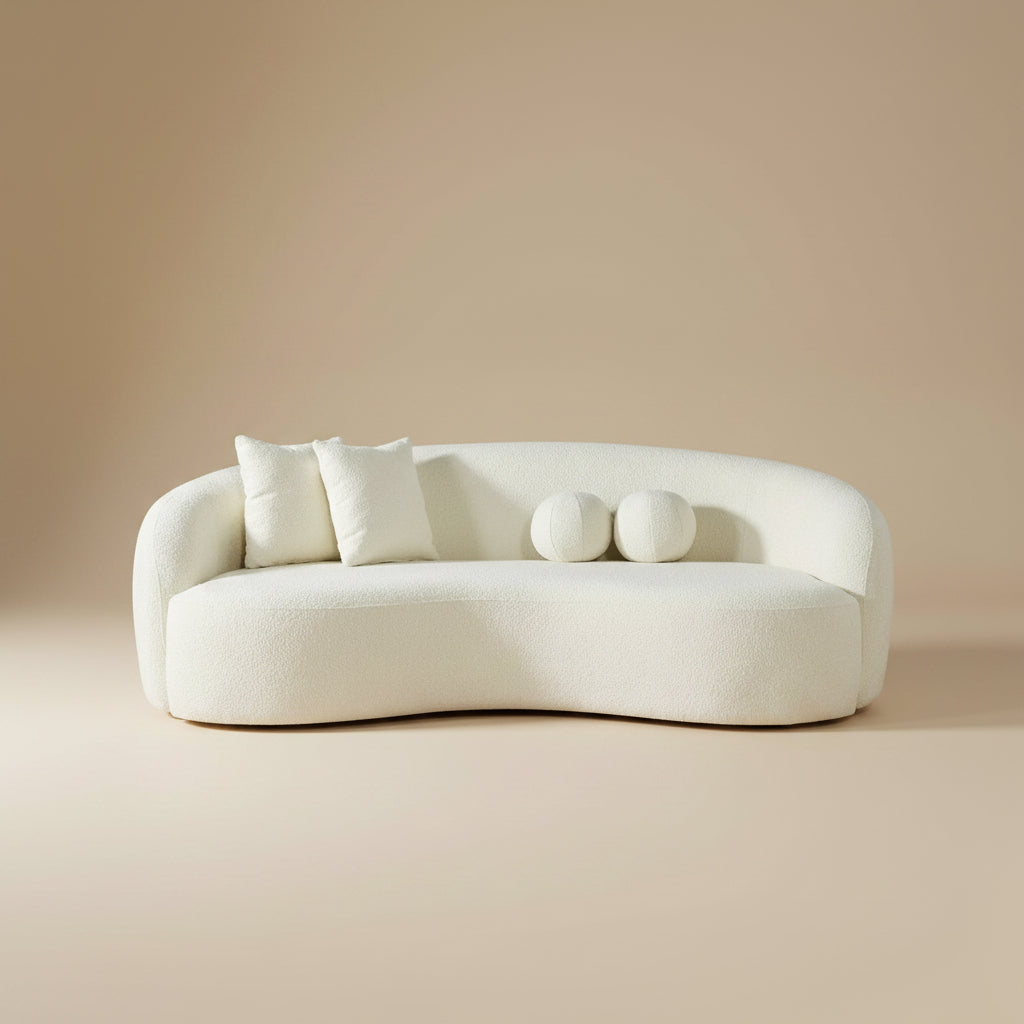
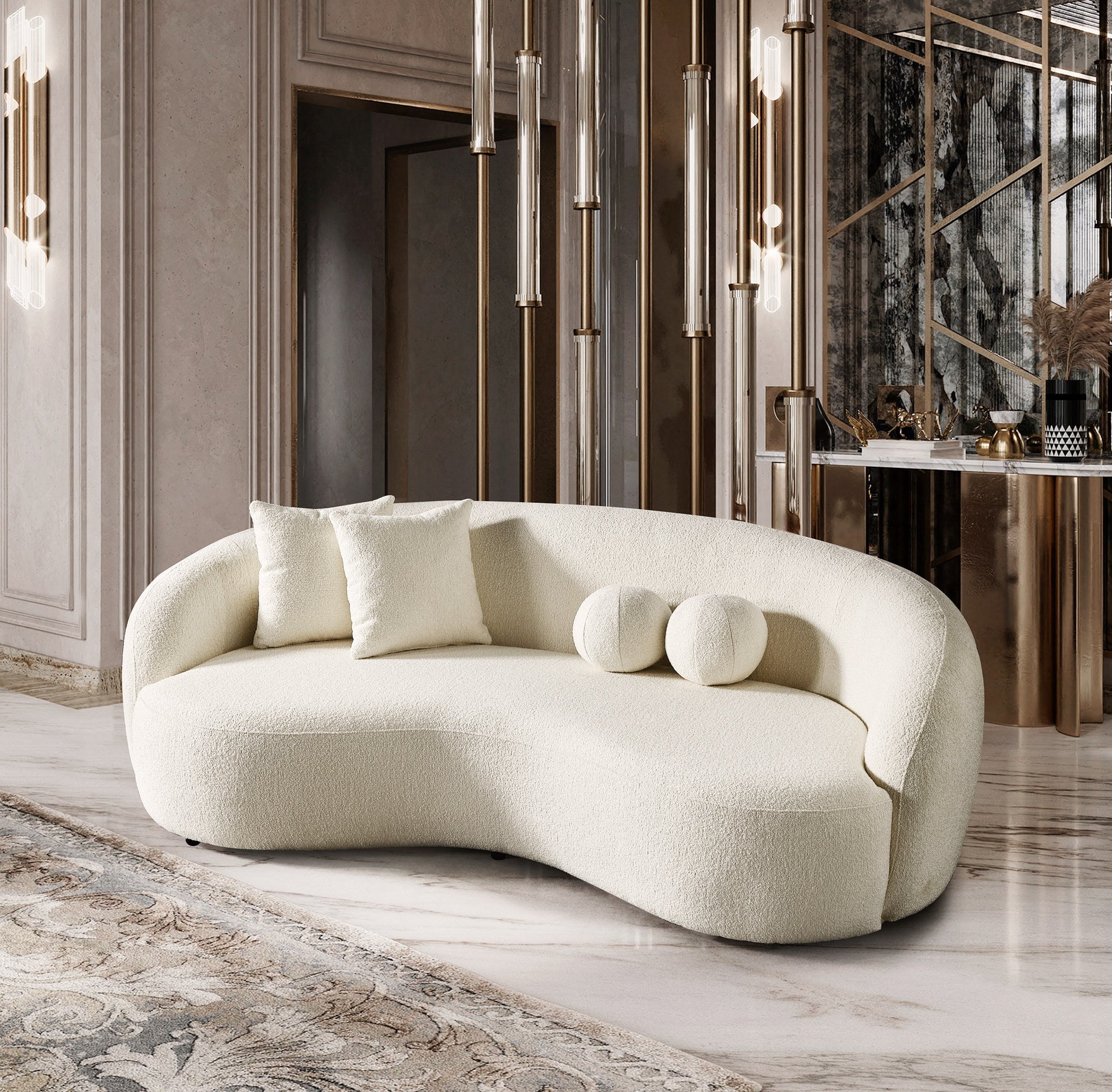
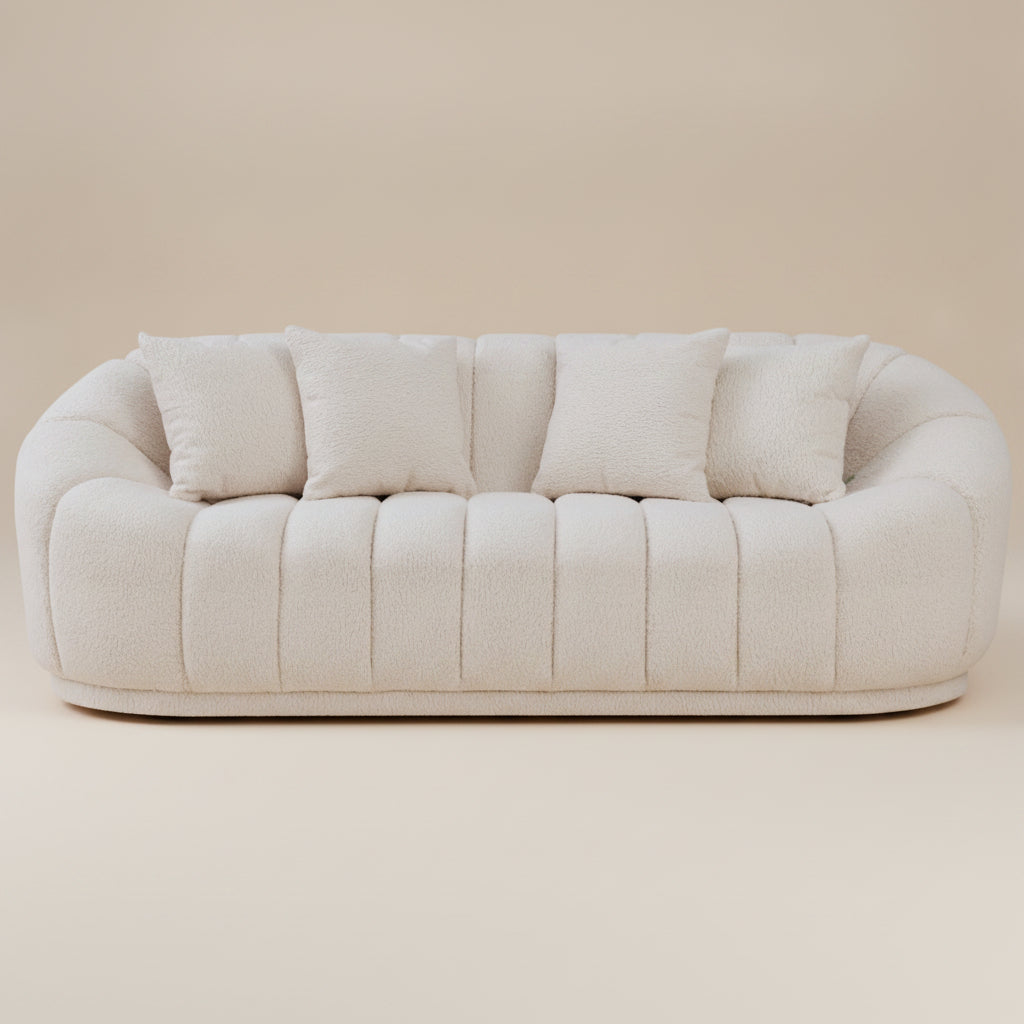
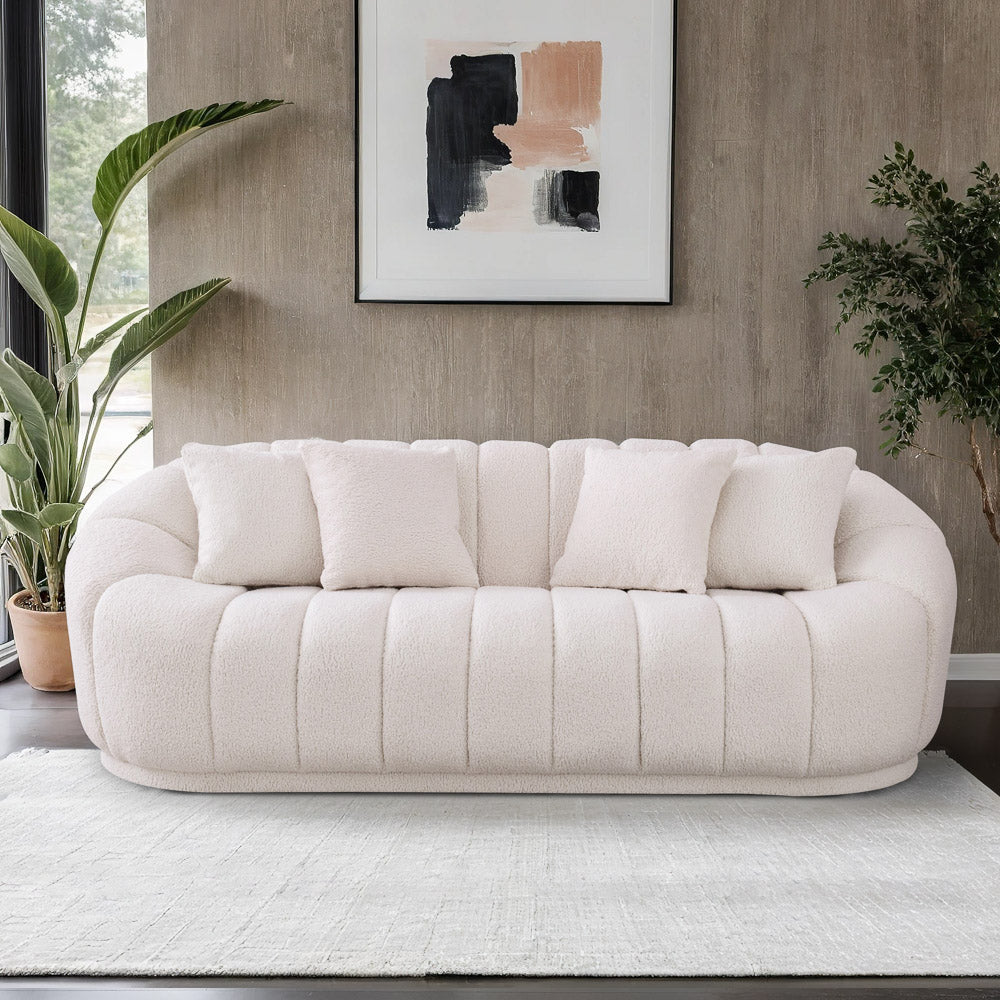
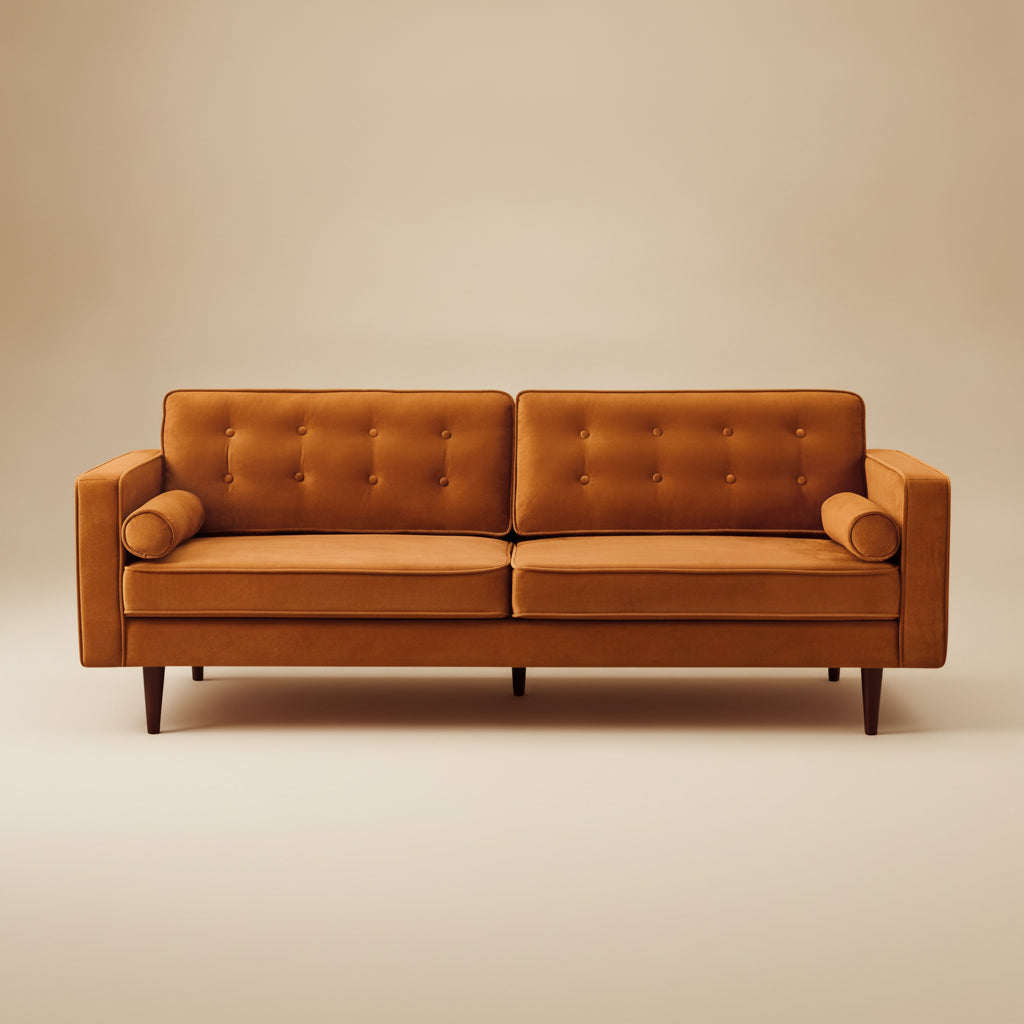
A loveseat is a small seat made for two people. Its compact size makes it great for rooms with tight spaces or when you want extra seating without making the room feel crowded.
The term "loveseat" dates back to the late 1600s, though its meaning has changed over time. Today, loveseats fit a variety of spaces and are not just for couples.
They offer comfortable, space-saving seating in bedrooms, offices, and dens, providing a spot for relaxing, meeting, or creating a cozy nook.Loveseats are flexible pieces.
In small rooms, they work well on their own. In larger spaces, you can pair a loveseat with a sofa to add more seating and balance the room's look. This setup makes it easy for people to talk and adds more places to sit.Good loveseats are built with the same care as bigger sofas.
There are styles from modern and sleek to soft and classic. The materials and cushions are designed for comfort, even though the loveseat is smaller.
Understanding the Sofa
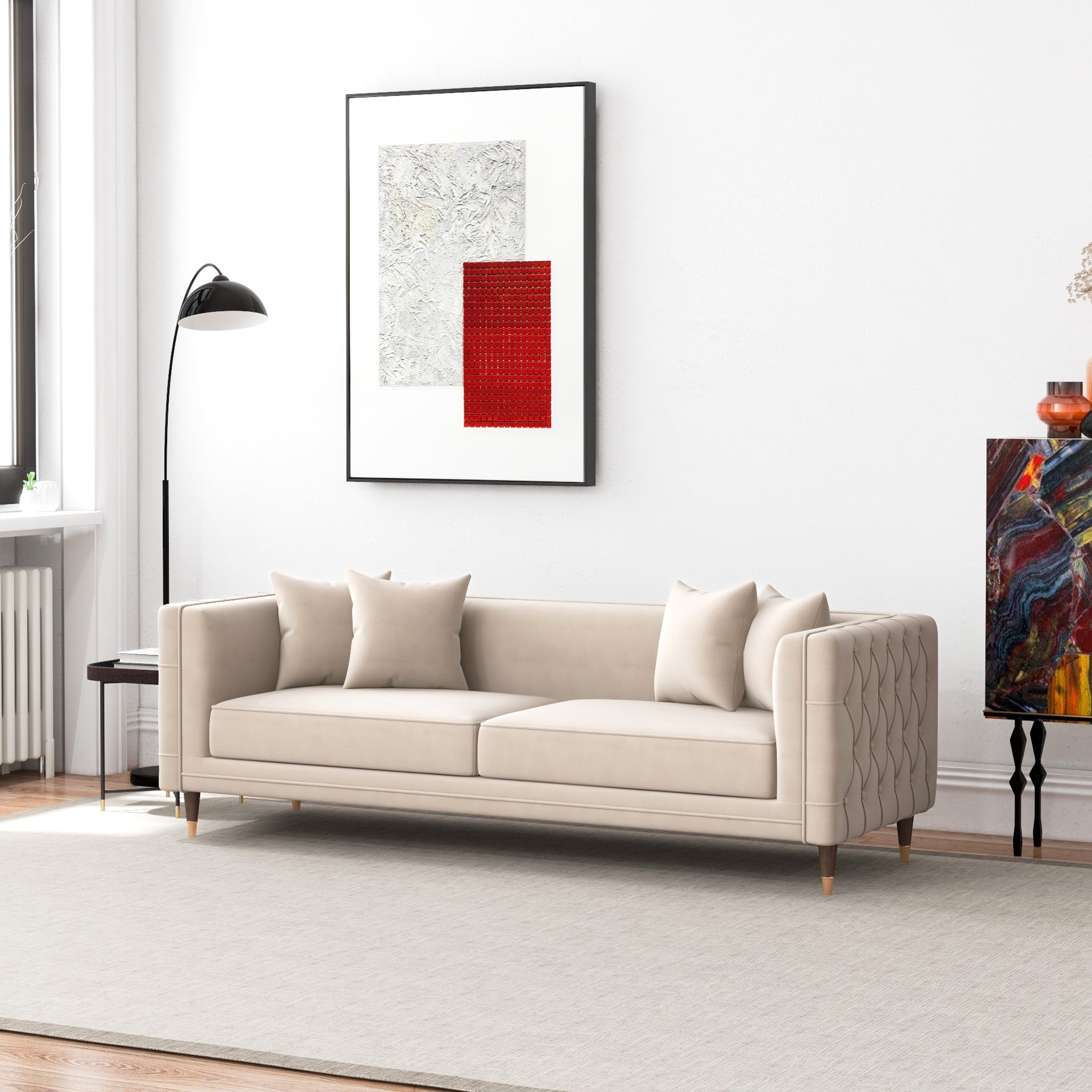
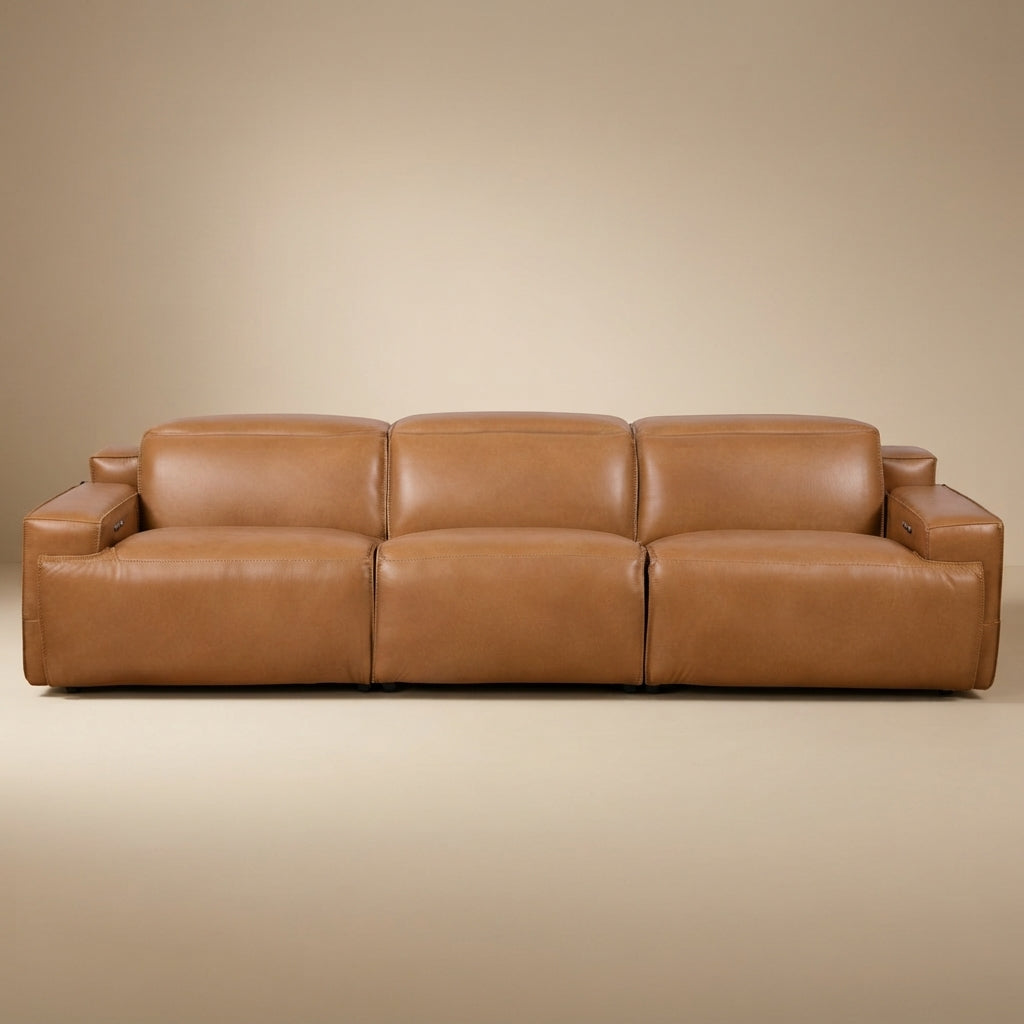
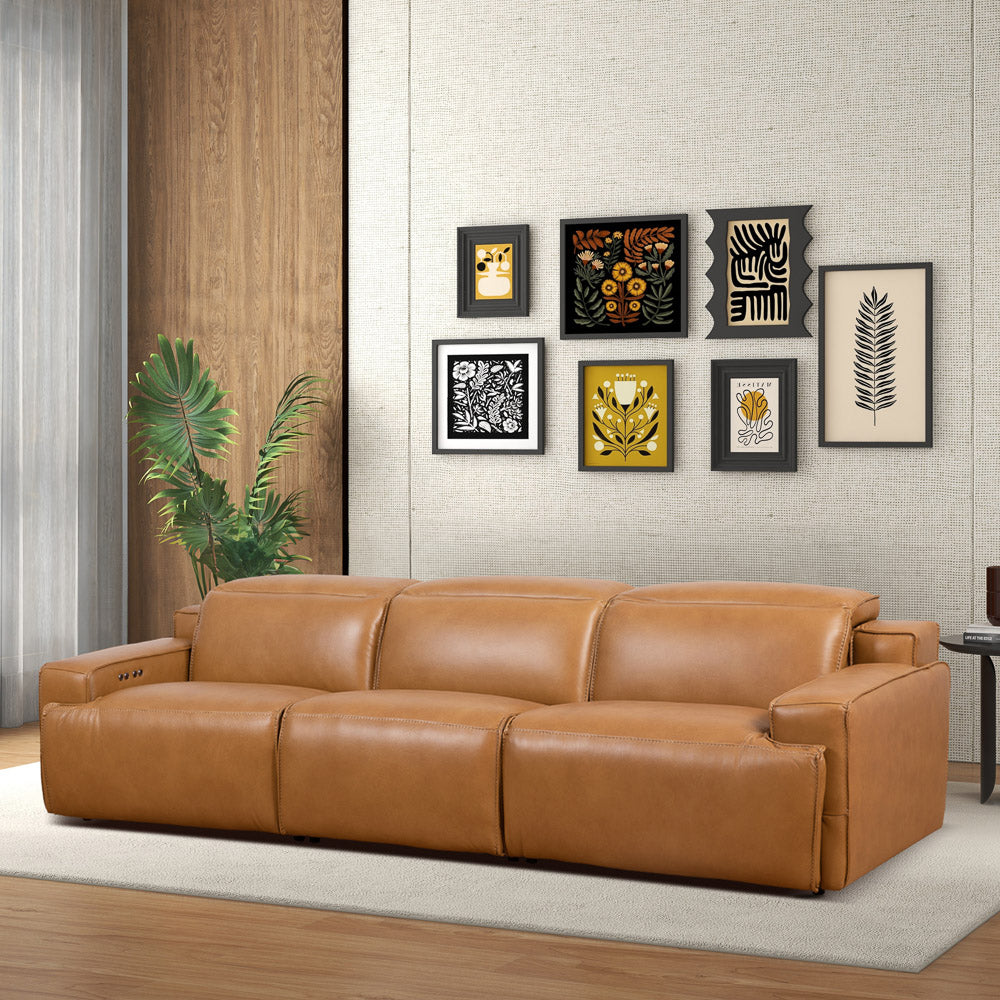
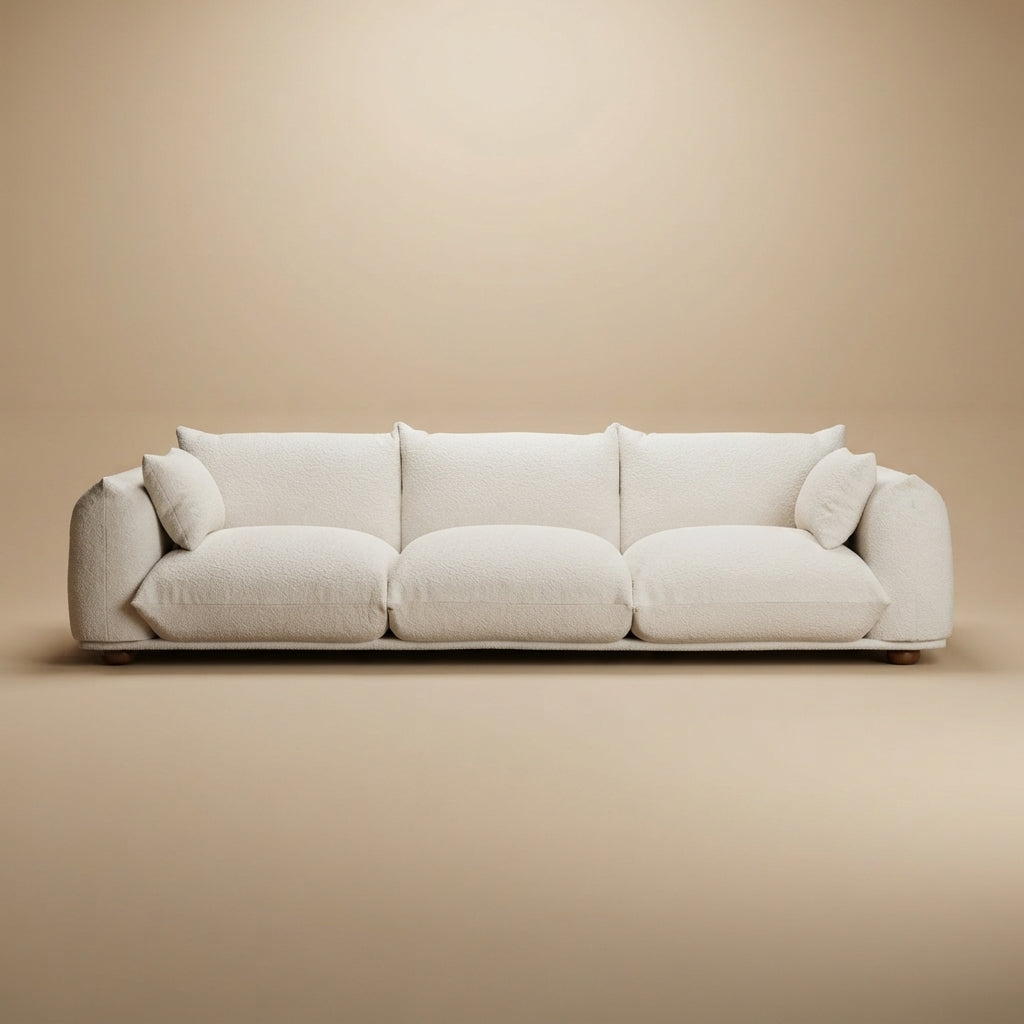
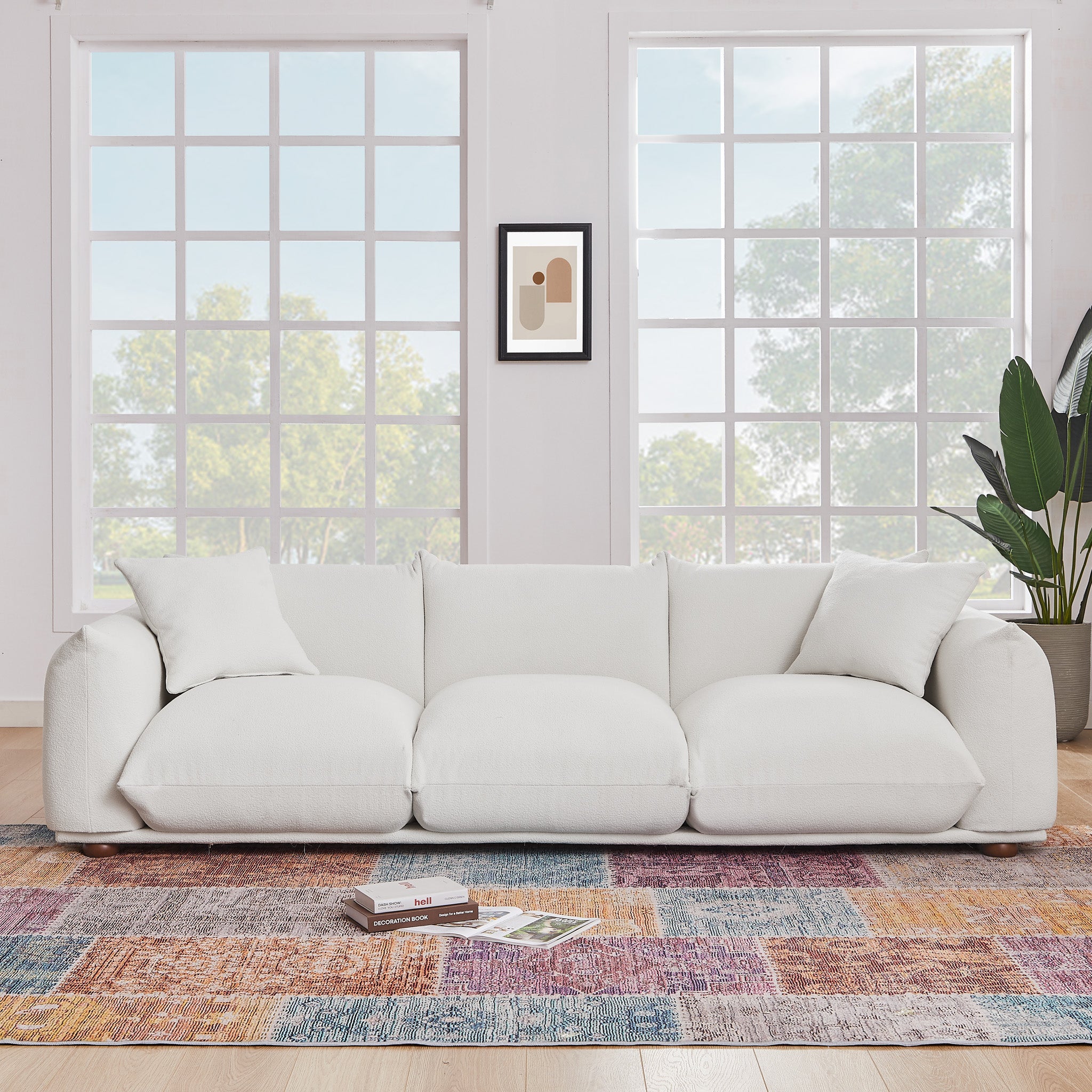
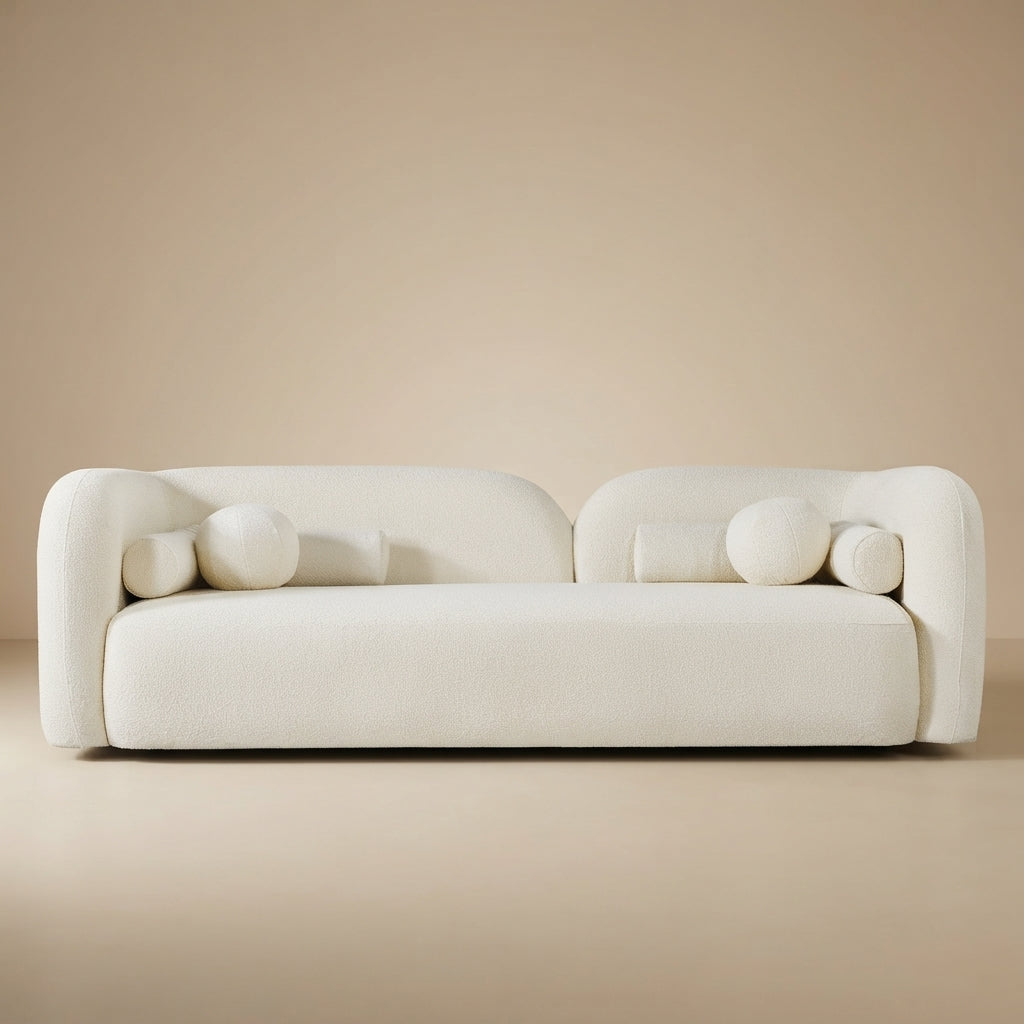
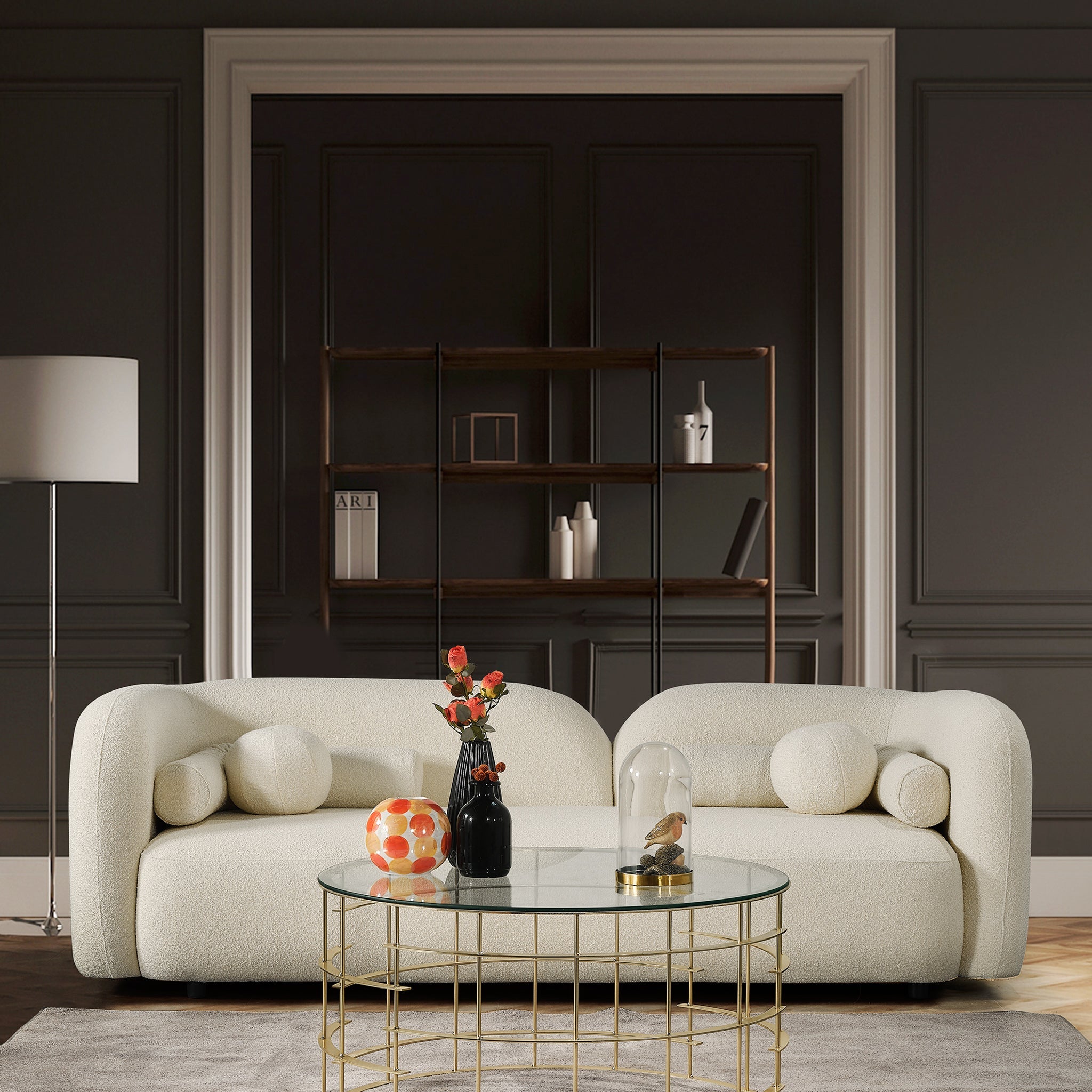
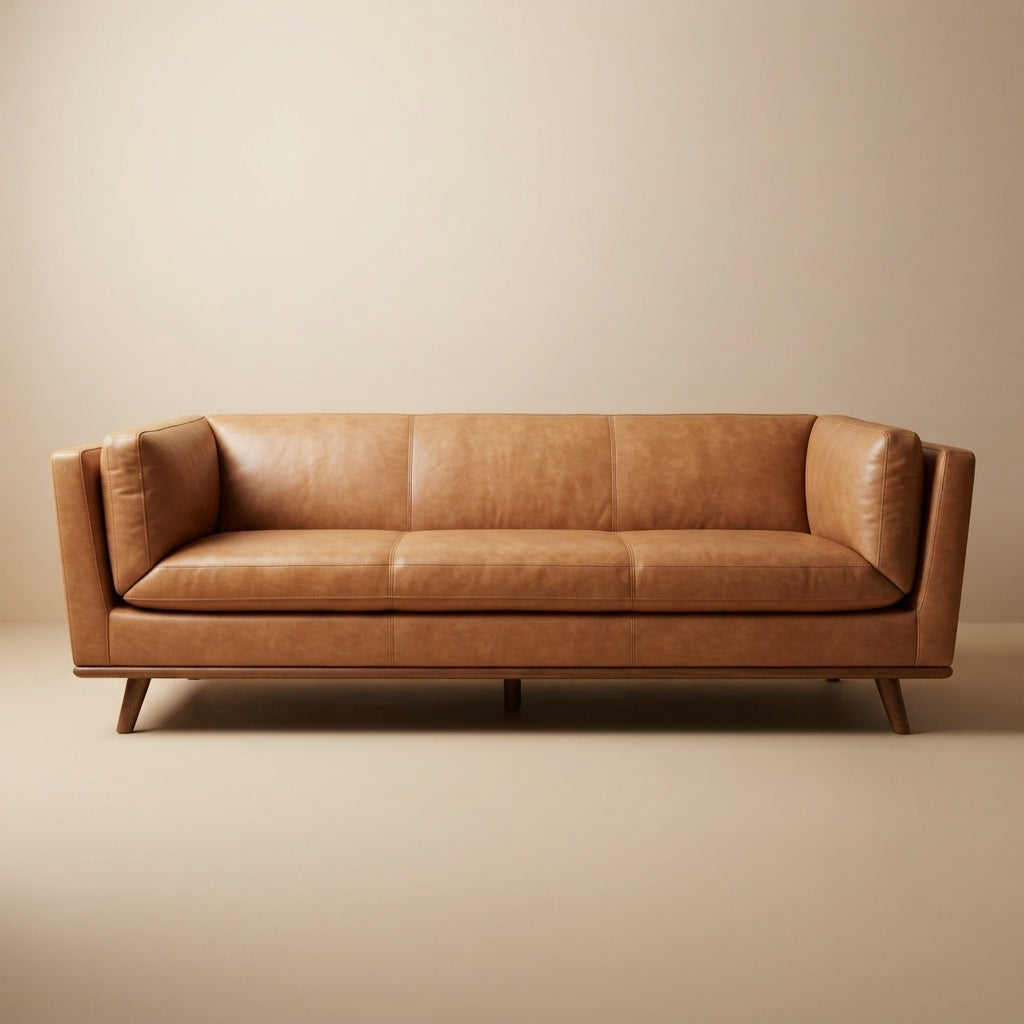
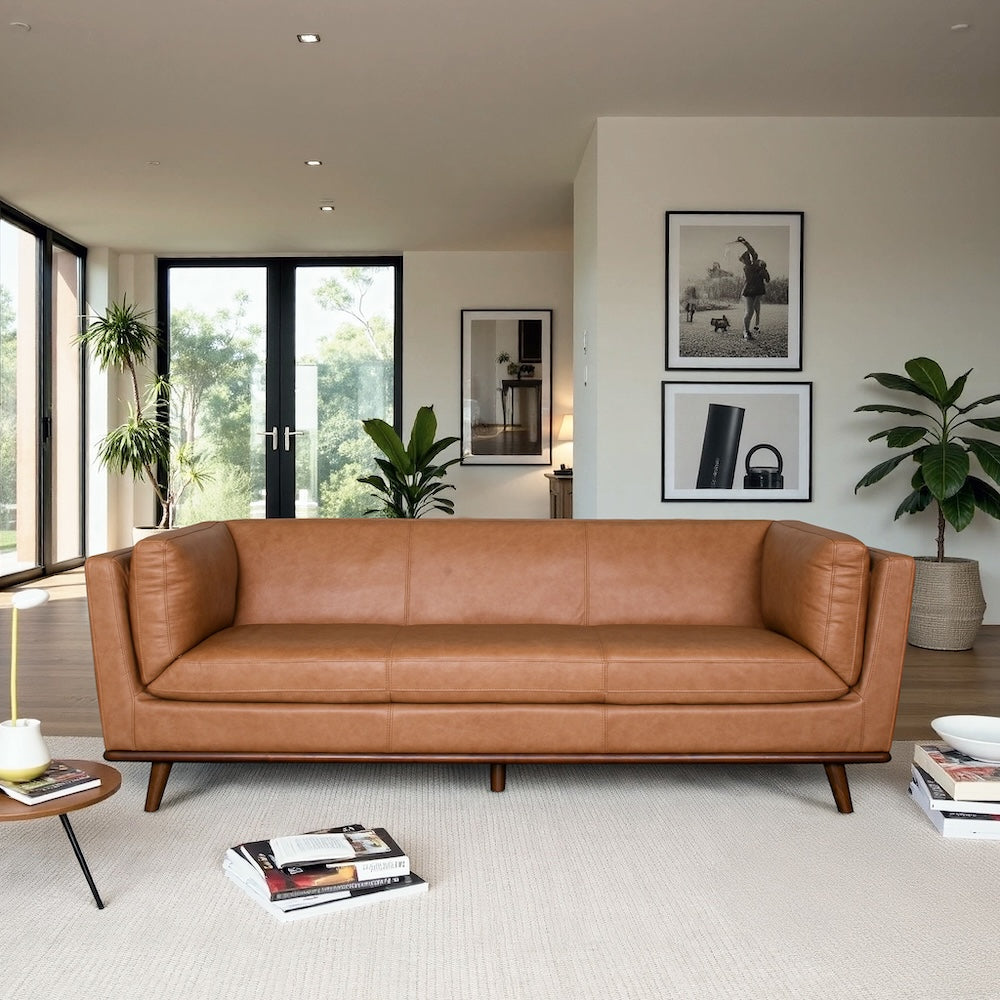
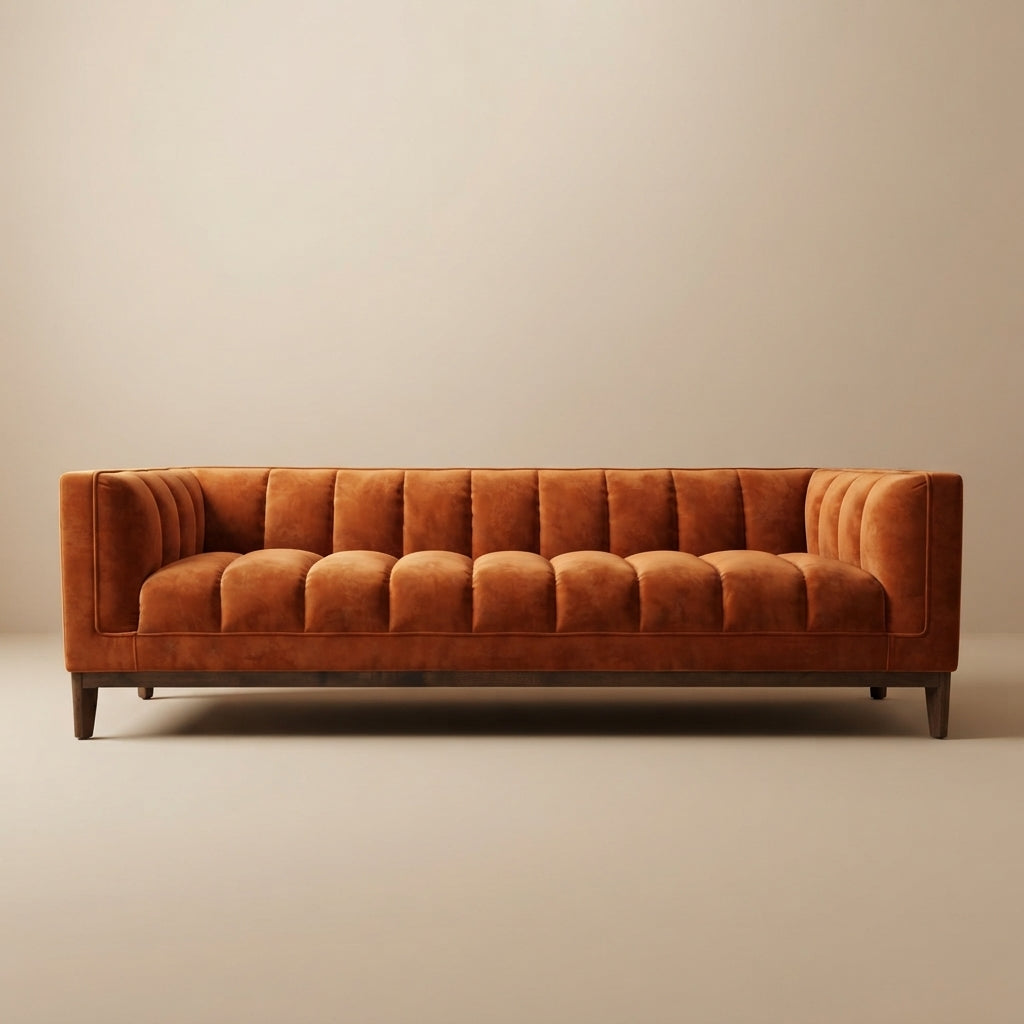
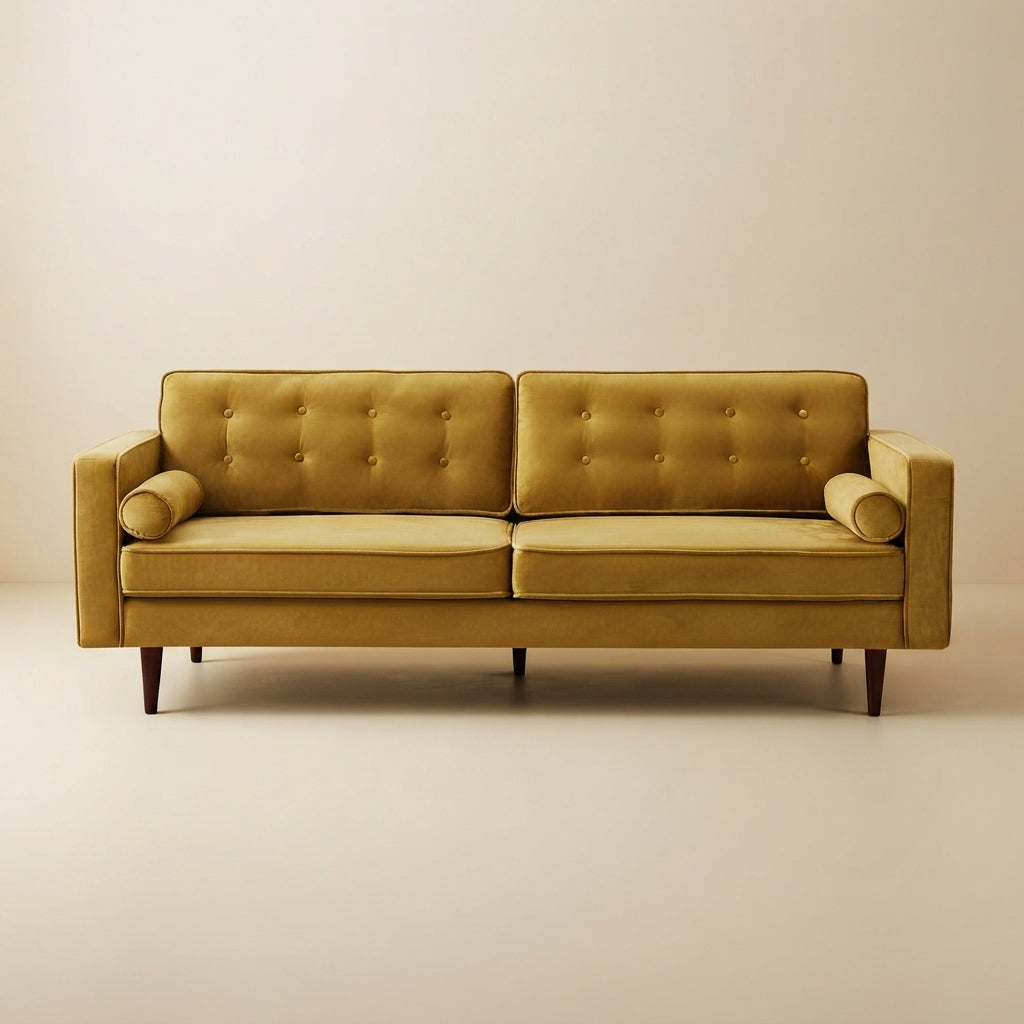
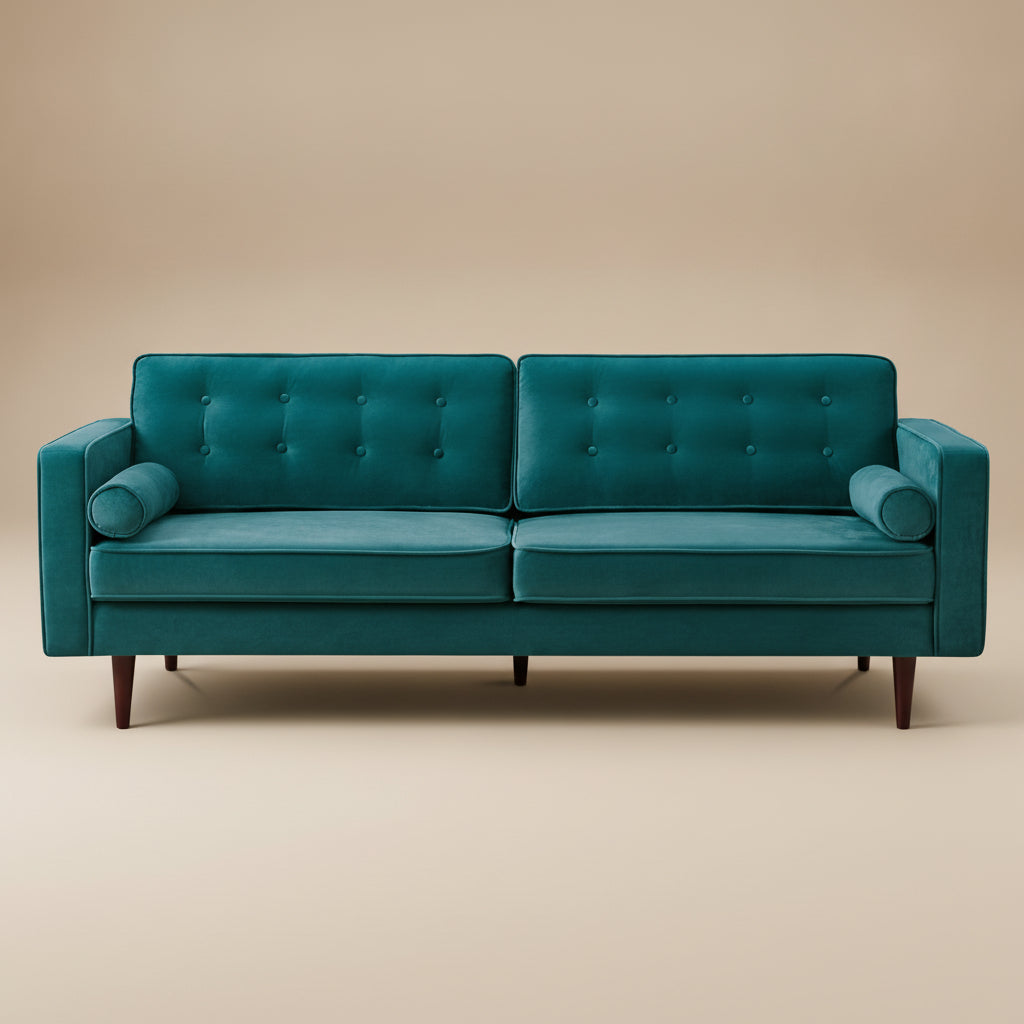
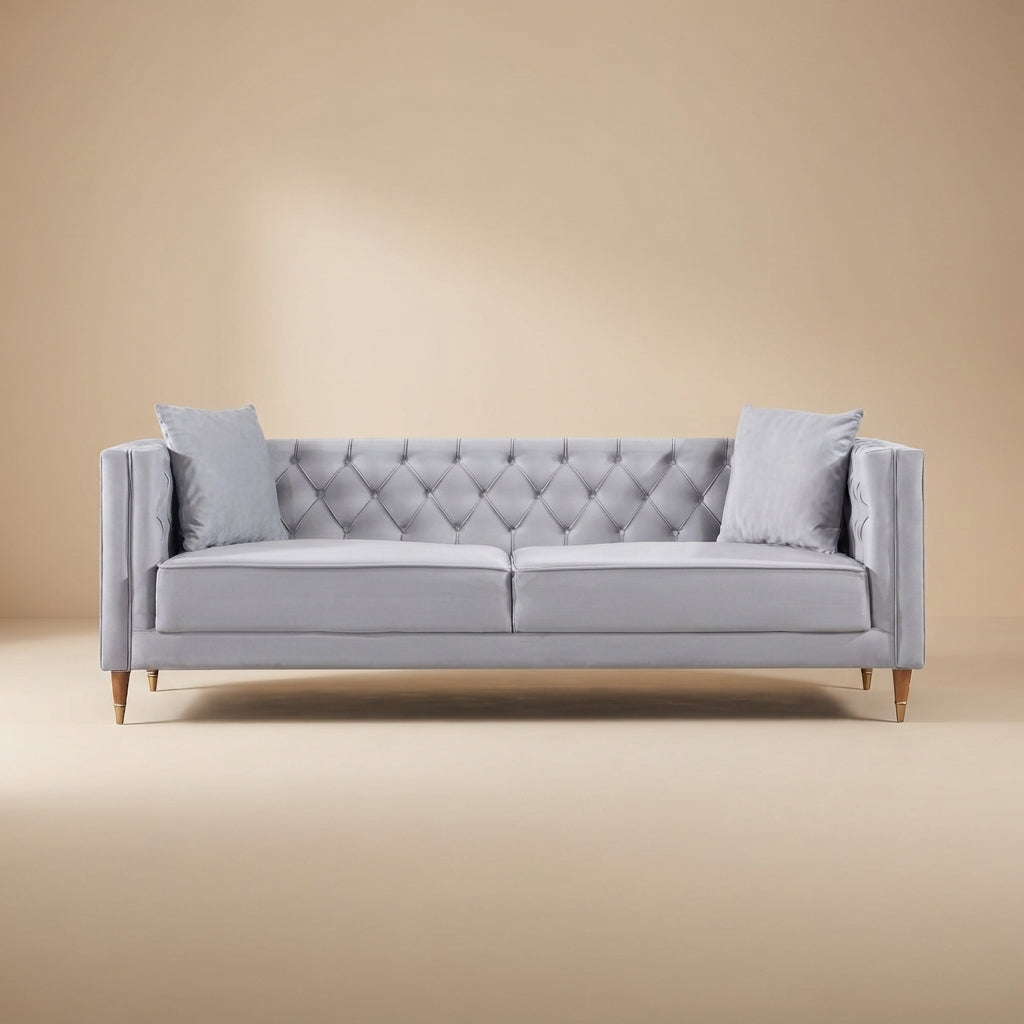
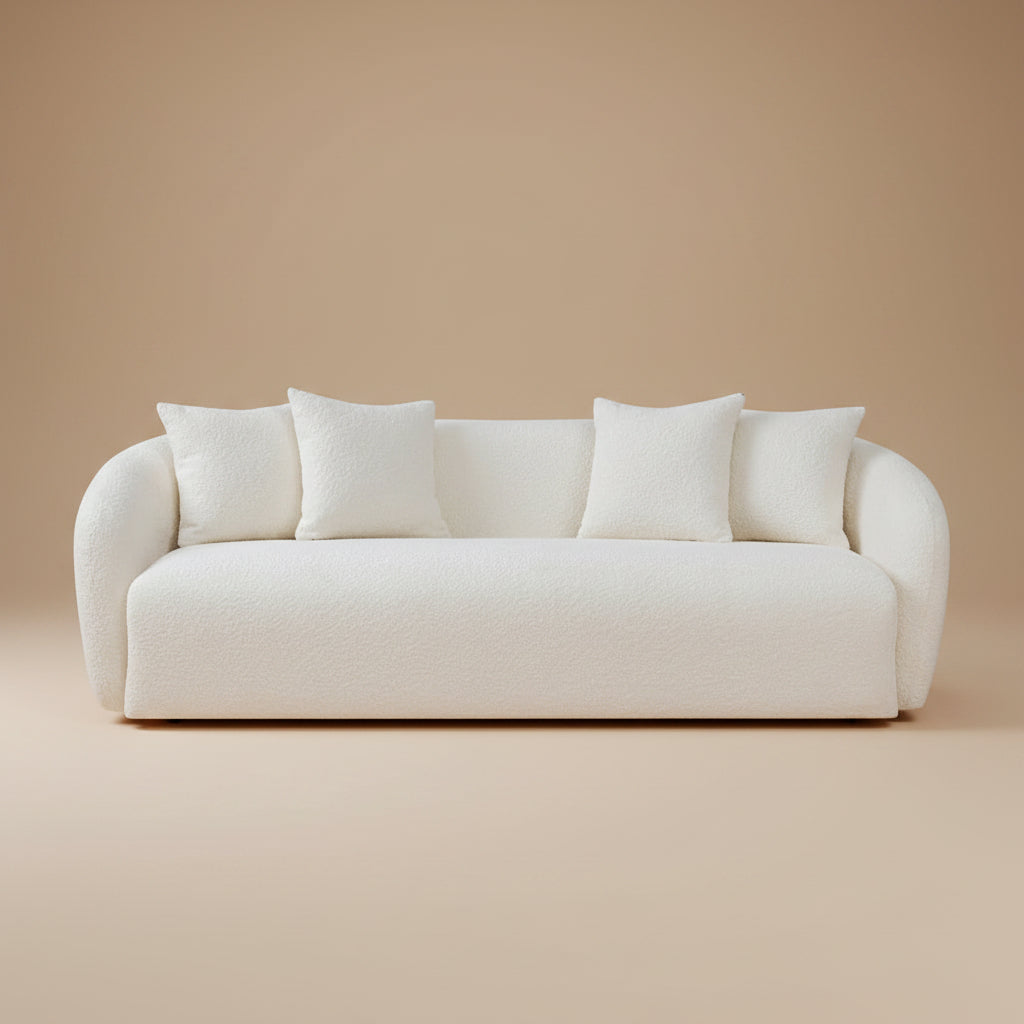
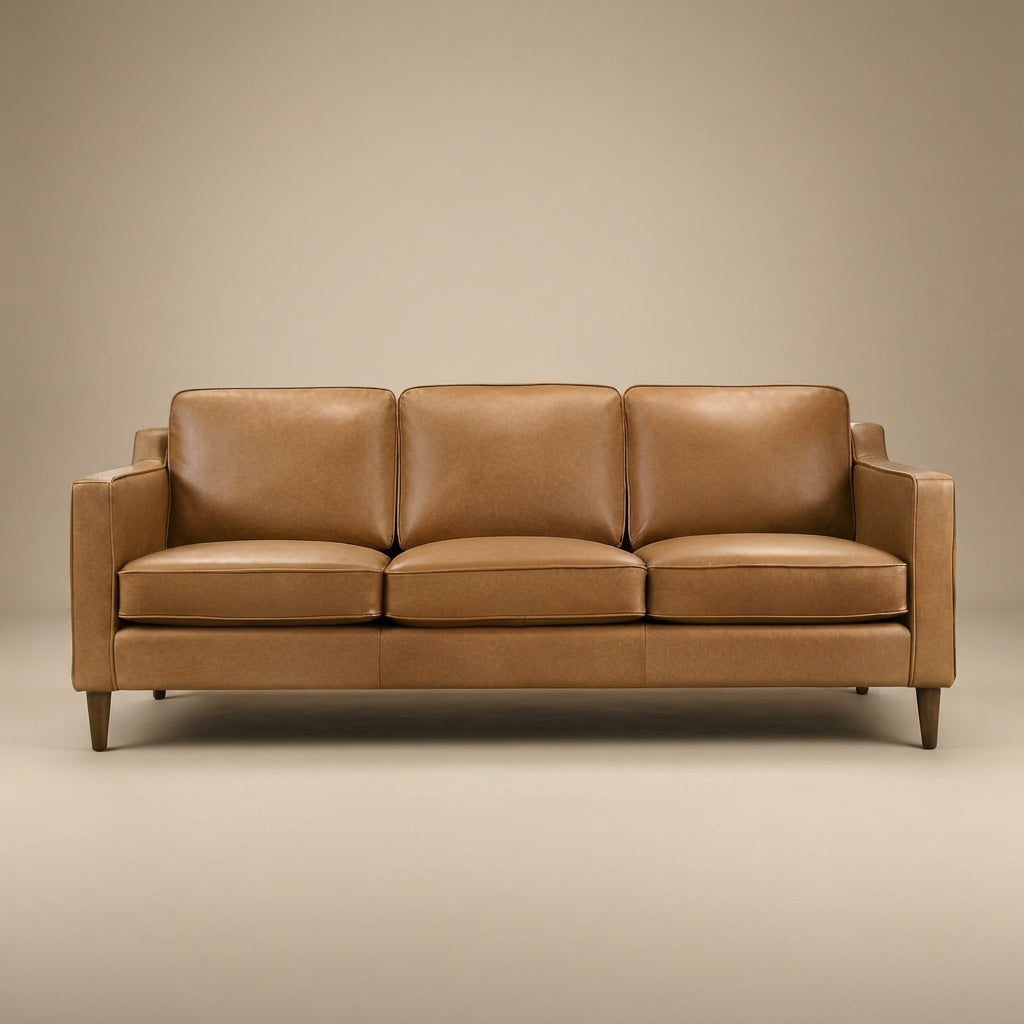
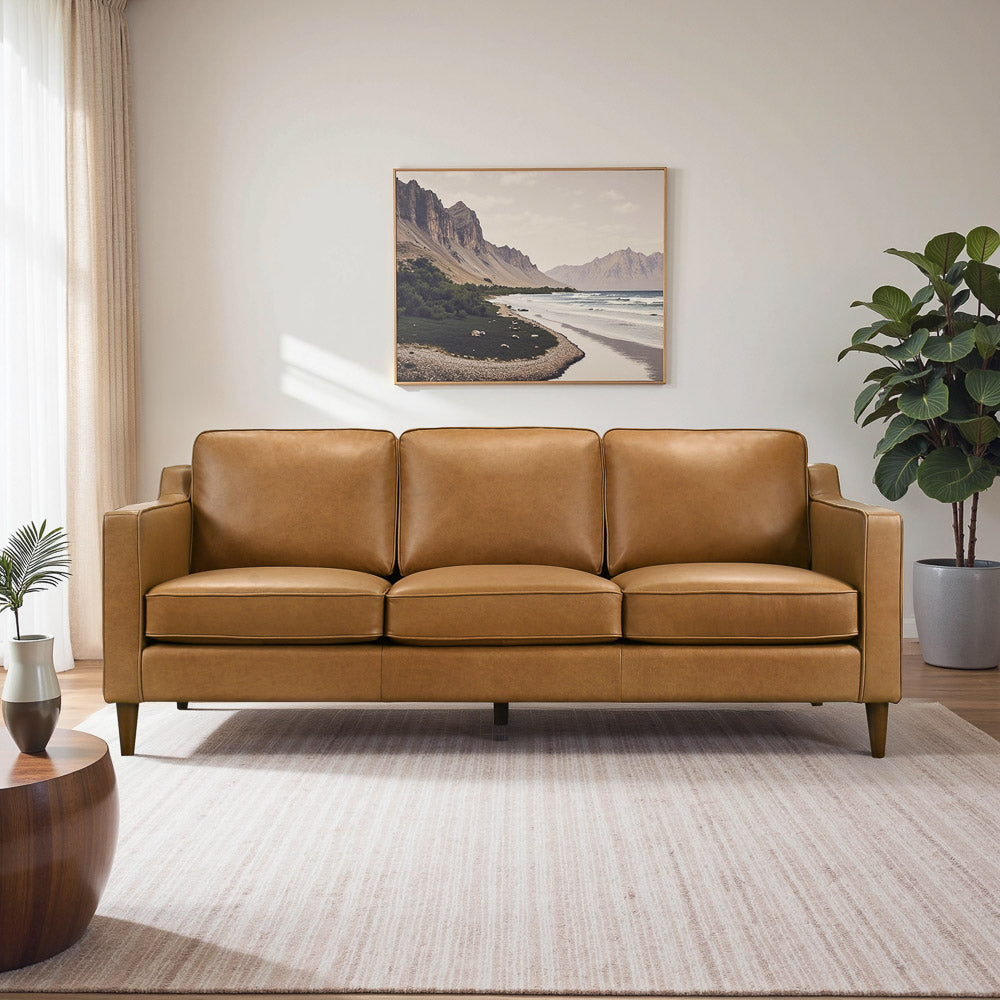
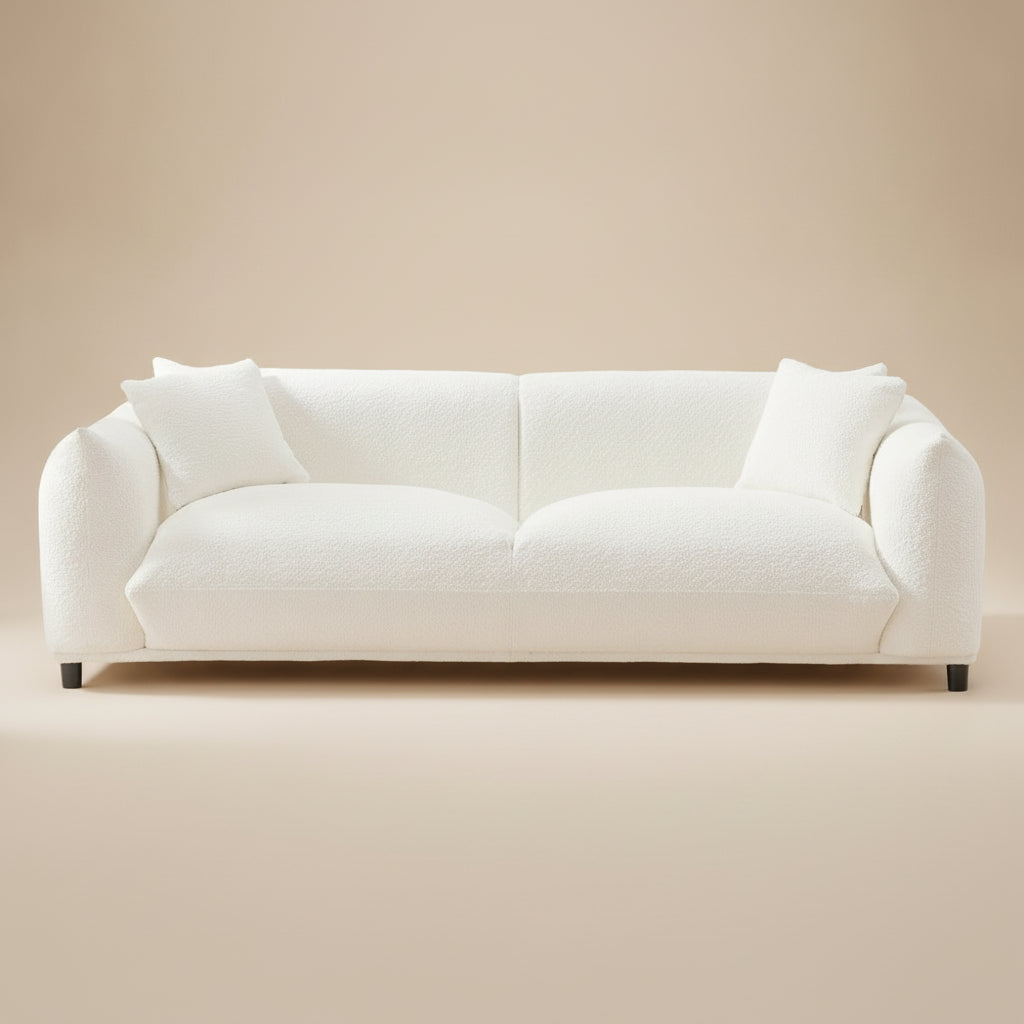
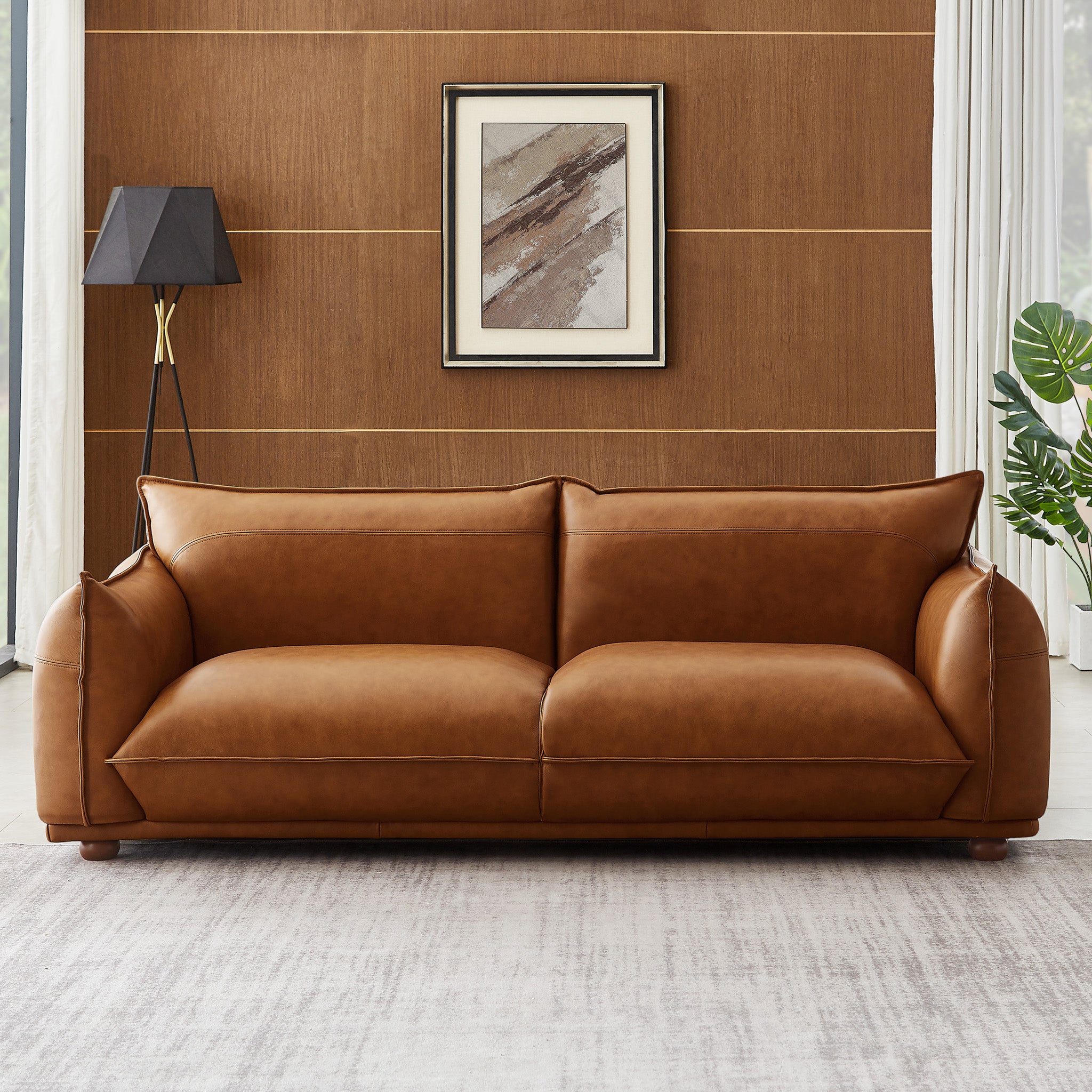
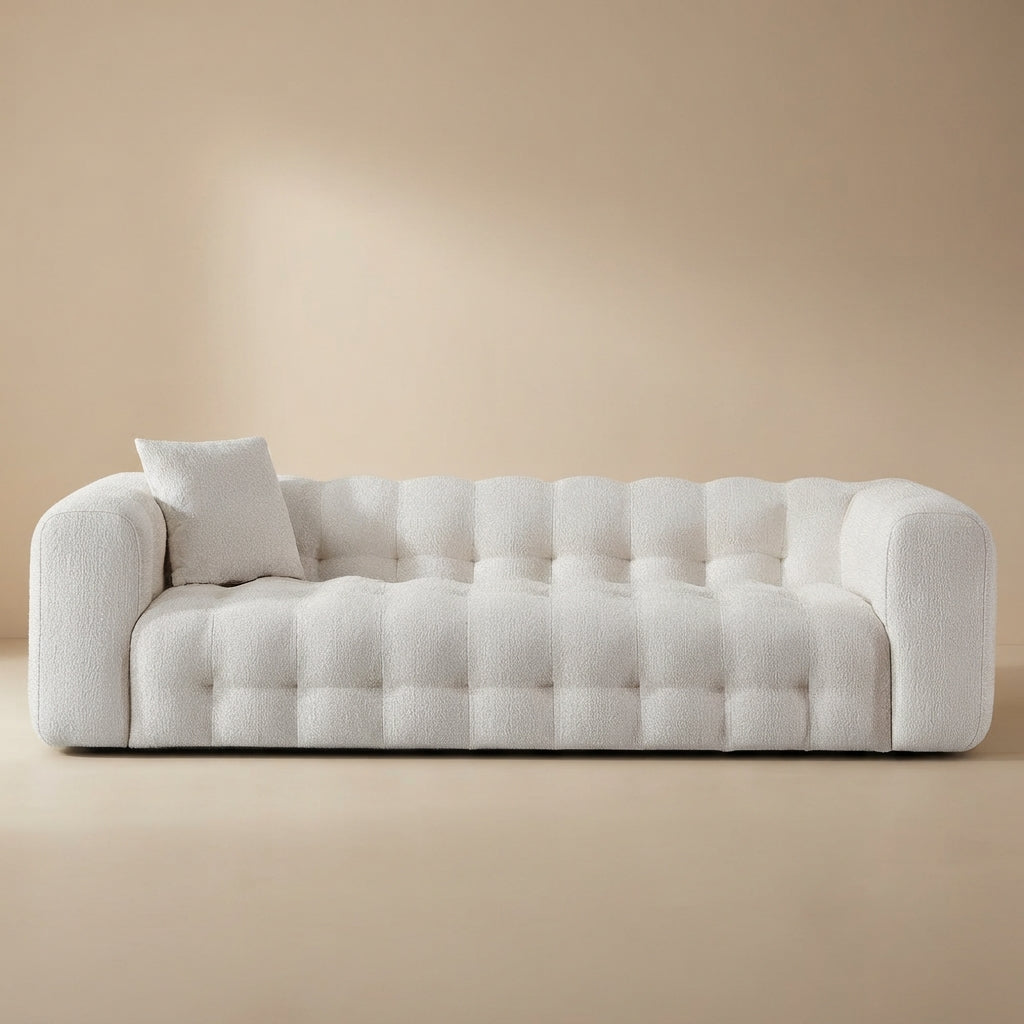
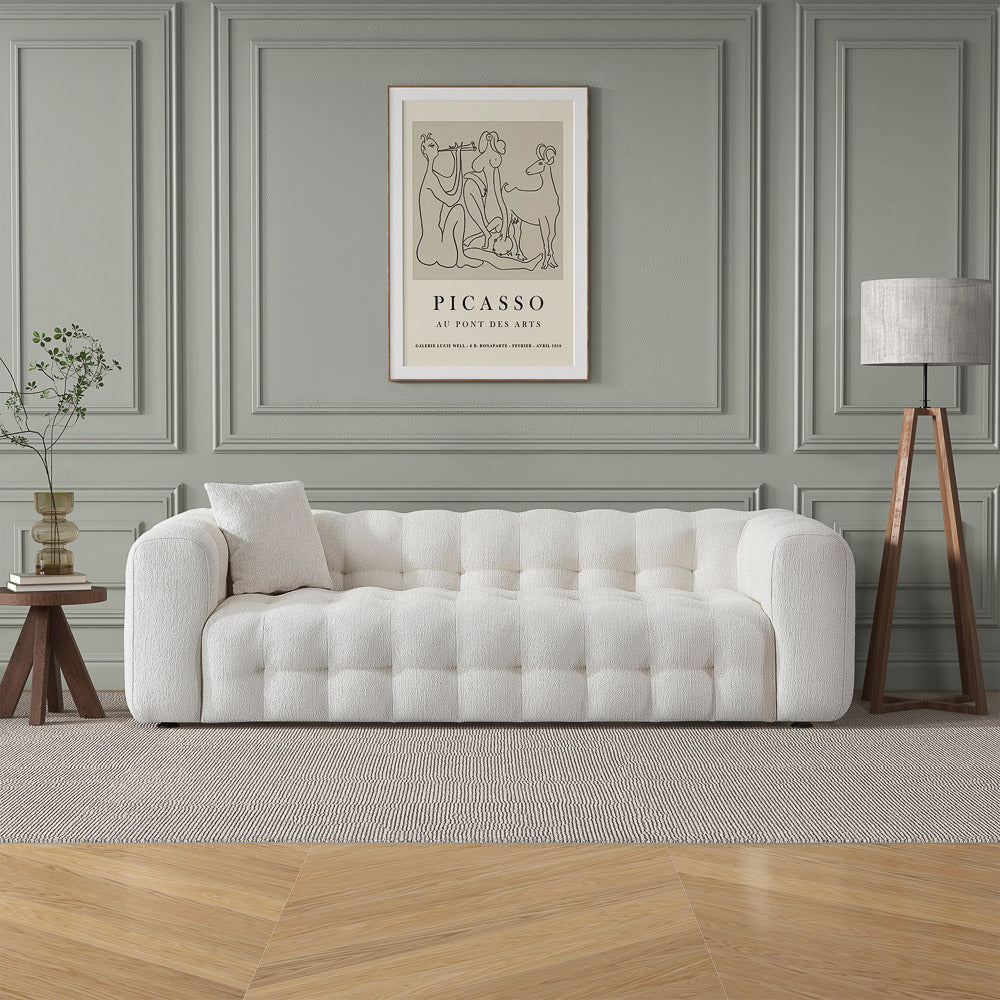
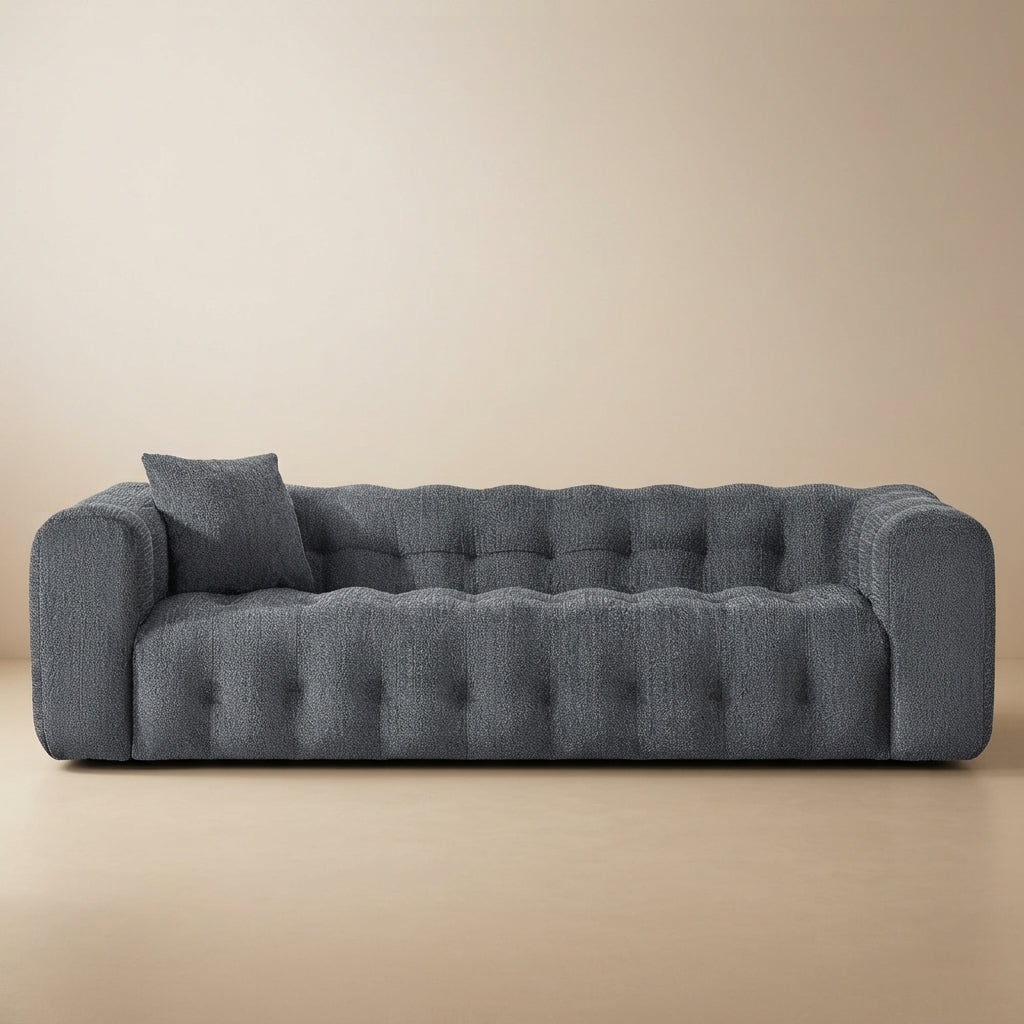
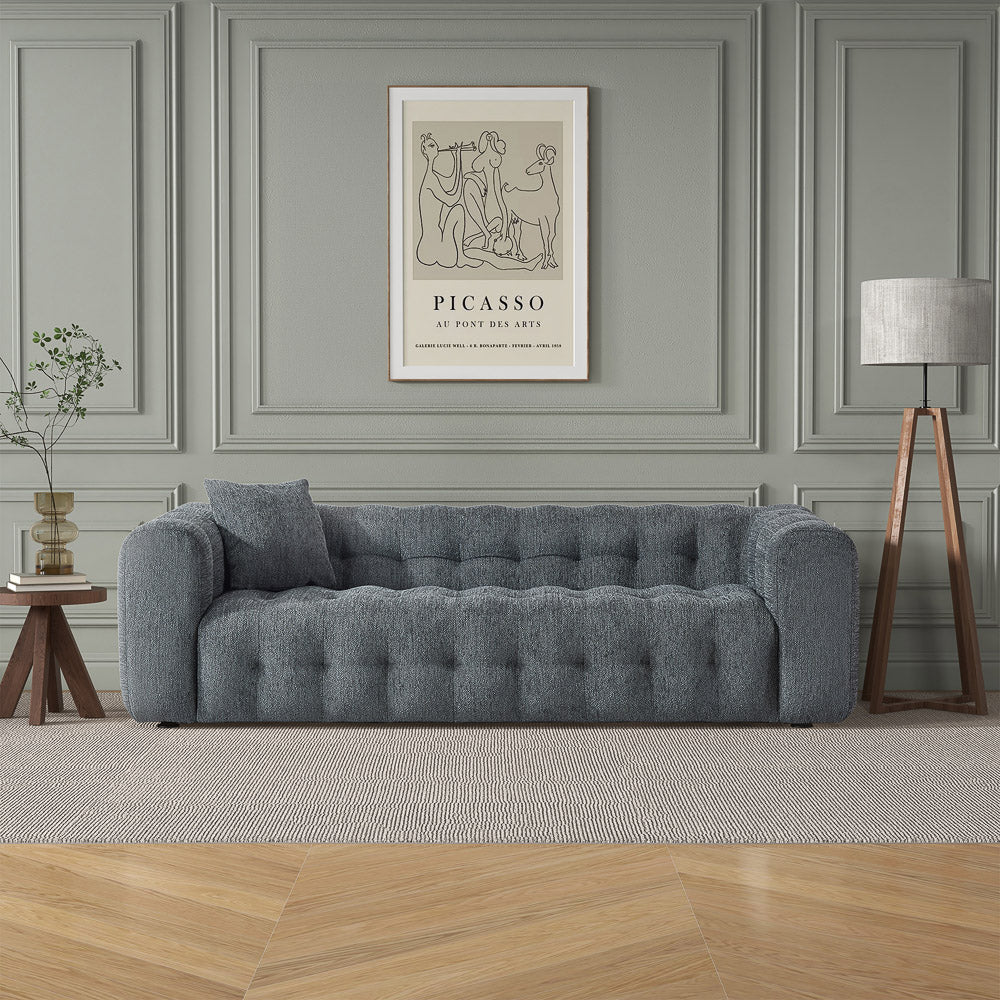
A sofa is a larger seating arrangement designed for three or more people. In most homes, it’s the main place to sit and often sets the style for the living room.
Because sofas are roomy, they’re great for families, people who have guests often, or anyone who likes to stretch out and relax. Whether you’re watching movies, having friends over, or just reading a book, a sofa gives you the space and comfort you want.
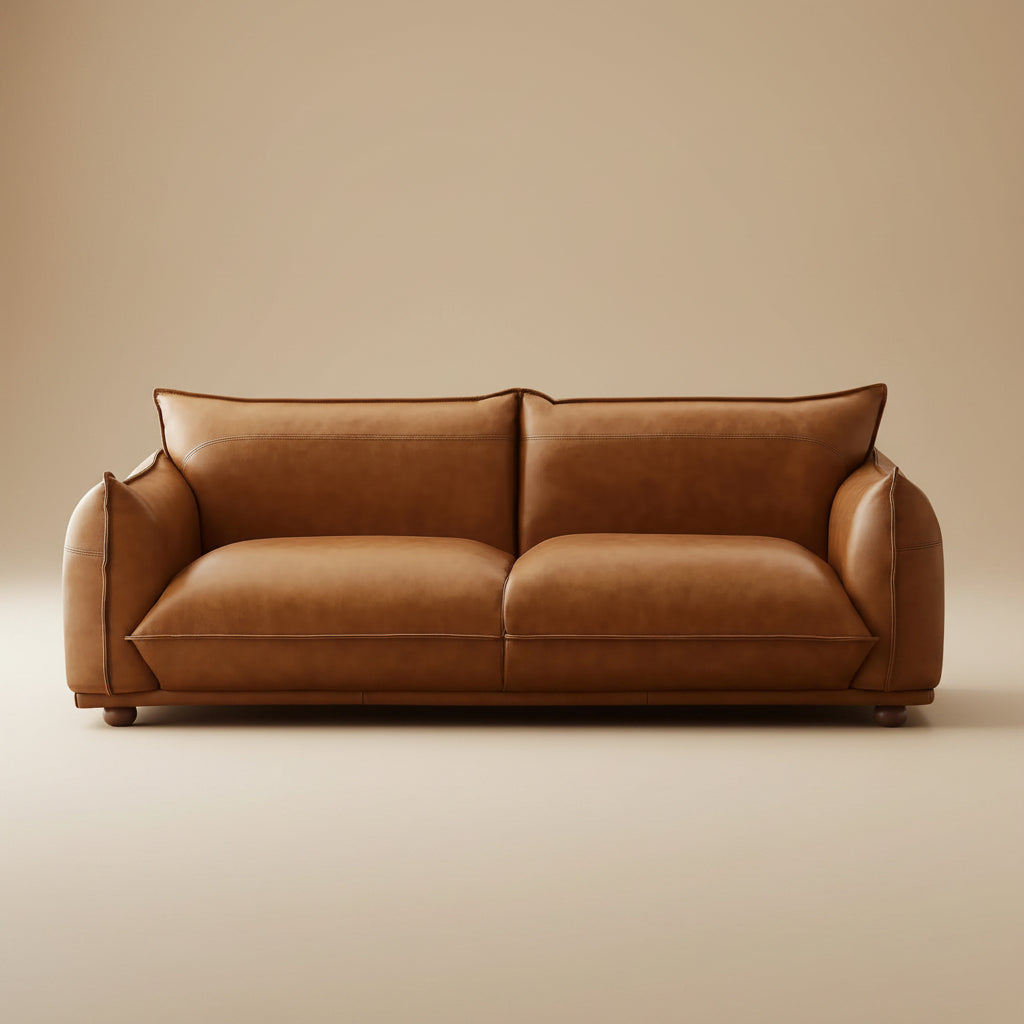
Sofas come in many styles. Some are simple and modern. Others are deep and soft for relaxing. You can choose from clean lines and firm backs. Or choose loose cushions and rounded arms for a cozier feel.
Sleeper sofas are versatile. They look and feel like regular sofas. They hide a pull-out mattress for guests. This makes them ideal for overnight stays without needing a separate guest room.
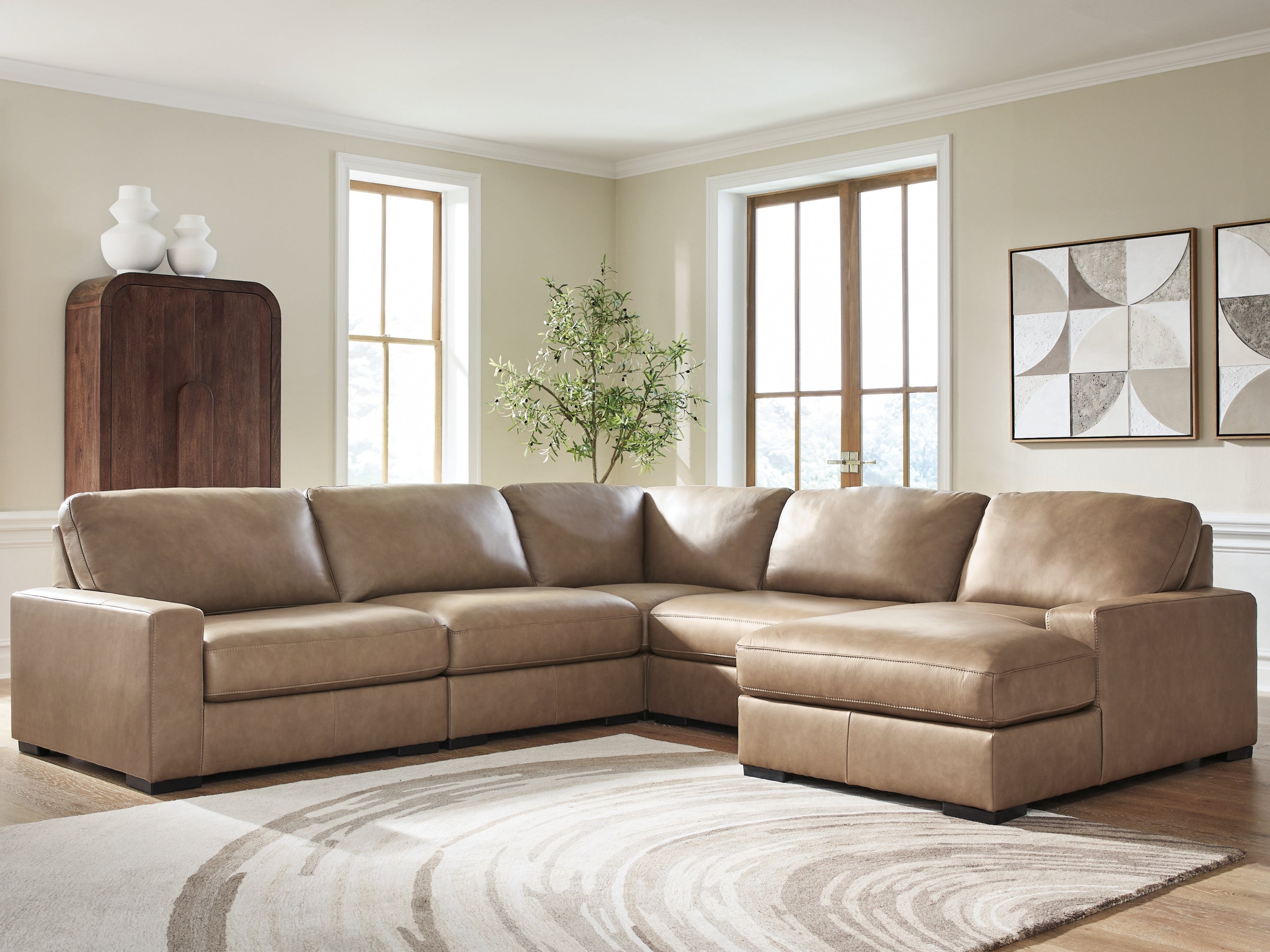
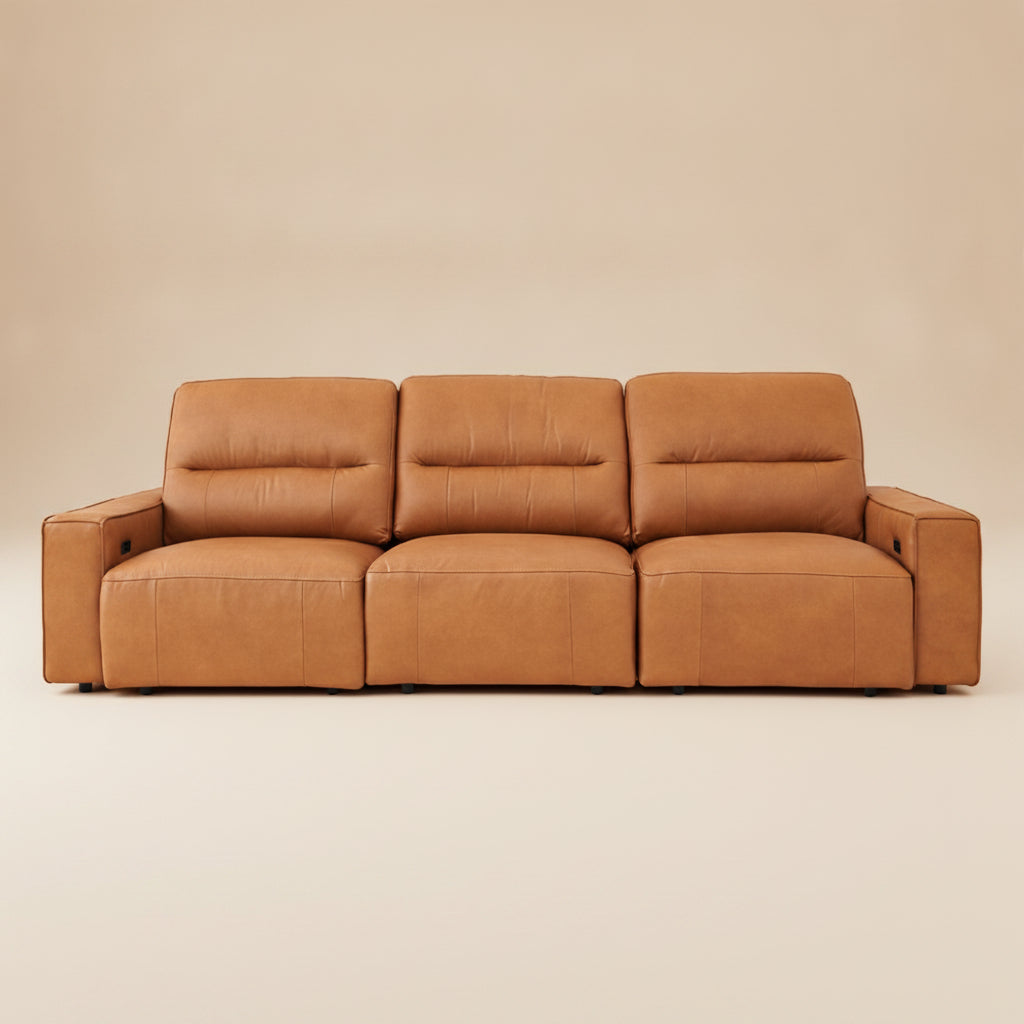
Modular sofas are flexible. You can change their shape, add more pieces, or rearrange them as your needs change. This is helpful if you move or want to try a new room setup.
A sofa is more than a seat. Its size and presence make it a gathering point and central feature in your home's design.
Key Differences Between Loveseats and Sofas
Size and Seating Capacity
The most significant difference is size. Loveseats are usually 60 to 70 inches wide and designed for two people. Sofas start at about 80 inches wide and seat three or more, depending on the style. This difference affects how each piece can be used and where it fits best.
The size difference affects room design. In small spaces, loveseats keep layouts open and easy to navigate. Sofas take up more space and can make smaller rooms feel crowded.
In larger rooms, a loveseat may feel out of place. Bigger spaces benefit from the scale and presence a sofa brings. This grounds the layout and adds visual weight. A sofa fills the space and prevents awkward gaps or an underfurnished look.
Measure your room and walkways to ensure furniture fits, and movement is easy. Leave enough space so the area feels comfortable, not crowded.
Cost Considerations
Budget matters when buying furniture. Loveseats usually cost less than sofas. They use less material and are smaller, so they’re more affordable. They are a good choice for first-time homeowners, new graduates, or anyone furnishing a guest room or extra space on a budget.
A lower price for loveseats does not mean lower quality. Many manufacturers use similar materials and methods for both; you simply pay for less material, often resulting in the same craftsmanship as sofas from the same line.
Sofas cost more because they’re bigger and need more materials and work to build. But you get more seating and flexibility for the price. The cost per seat can be a good value.
Modular sofas can be a middle ground in terms of cost. They may cost more up front. You can add pieces as your budget and needs allow. This makes them smart for families or for those planning ahead.

Comfort and Everyday Use
Both loveseats and sofas can deliver excellent comfort, but they're designed for different uses and experiences. The right choice depends largely on how you live in your space and what activities take place there.
Loveseats are great for cozy chats, reading, or quiet nights. Their small size works well in bedrooms or offices where you don’t want big furniture. If you live alone or with one other person, a loveseat might be all you need for everyday seating.
Sofas offer space to lounge, nap, or host friends. If children are doing homework or teens are gathering in the living room, a sofa is ideal for these activities. The extra length lets many people sit, or one person lie down comfortably.
Consider your daily habits and how you use your space. Do you have guests often? Does your family spend time together in the living room? Do you work from home and use the living area for meetings? Your routines will help you pick the best option.
When a Loveseat Makes the Most Sense
Certain situations and spaces are ideal for loveseats. In studio apartments or small living rooms, a loveseat provides essential seating without overwhelming the room. You'll maintain better traffic flow, and the space will feel open and functional.
Bedrooms can really benefit from a loveseat at the foot of the bed or by a window for a private reading spot. This gives you a comfy place to relax, put on shoes, or have your morning coffee without leaving the room.
Home offices and dens often work better with loveseats than full-size sofas. A loveseat provides a place to take breaks or review documents. You can also use one for informal meetings. It takes far less floor space than a sofa. In a home office, this might mean the difference between a cramped workspace and a comfortable one.
Loveseats also work well as extra pieces in bigger rooms. When you pair a loveseat with a sofa, you can create an L-shape or have them face each other, which is great for conversation and for defining different areas in an open space.
When a Sofa Is the Better Choice
A sofa is the obvious choice when you need generous seating or want to create a strong focal point in your room. Main living rooms and family rooms almost always benefit from a full-size sofa, especially in homes where these spaces are used daily by multiple household members.
Open-concept homes especially benefit from the look and presence of a sofa. In these big, open spaces, a loveseat can feel too small and fail to anchor the seating area. A large sofa helps set apart the living area and gives the space a clear purpose.
Households that host guests regularly will appreciate the extra seating a sofa provides. Whether you're having friends over, hosting family, or organizing game nights, a sofa ensures everyone has a comfortable place to sit.
For relaxation, lounging, movie nights, and family time, sofas are unmatched. The extra space lets children sit with parents, couples cuddle, or one person stretch out while others sit nearby. This flexibility makes sofas a workhorse piece of furniture for active households.
Sleeper sofas add extra function by turning your living room into a guest space when needed, without needing a separate guest room. For people in small homes or apartments, this kind of furniture is especially useful.
Modular and reclining sofas go further. They offer customizable setups and comfort features that enhance daily living. These options provide a polished, cohesive look and ultimate relaxation.

Styling Tips for Loveseats and Sofas
The way you place and style your loveseat or sofa affects how your space looks and works. Careful placement and matching furniture make the most of your seating choice.
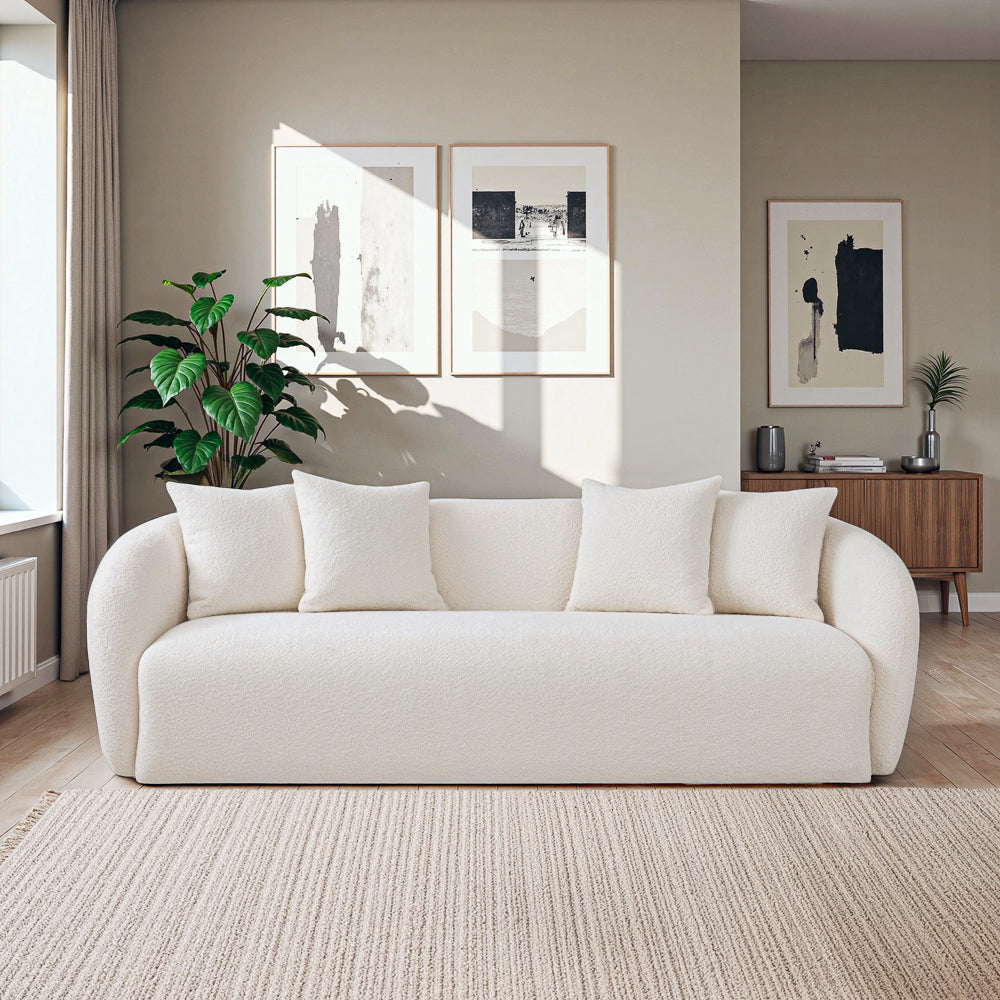
These pieces work well as accents when positioned right. Place a loveseat under a window for natural light and create a bright reading spot. Position one across from a sofa for a conversation area with good eye contact. Tucked into a corner, a loveseat with a lamp and a small table becomes an inviting nook for quiet moments.
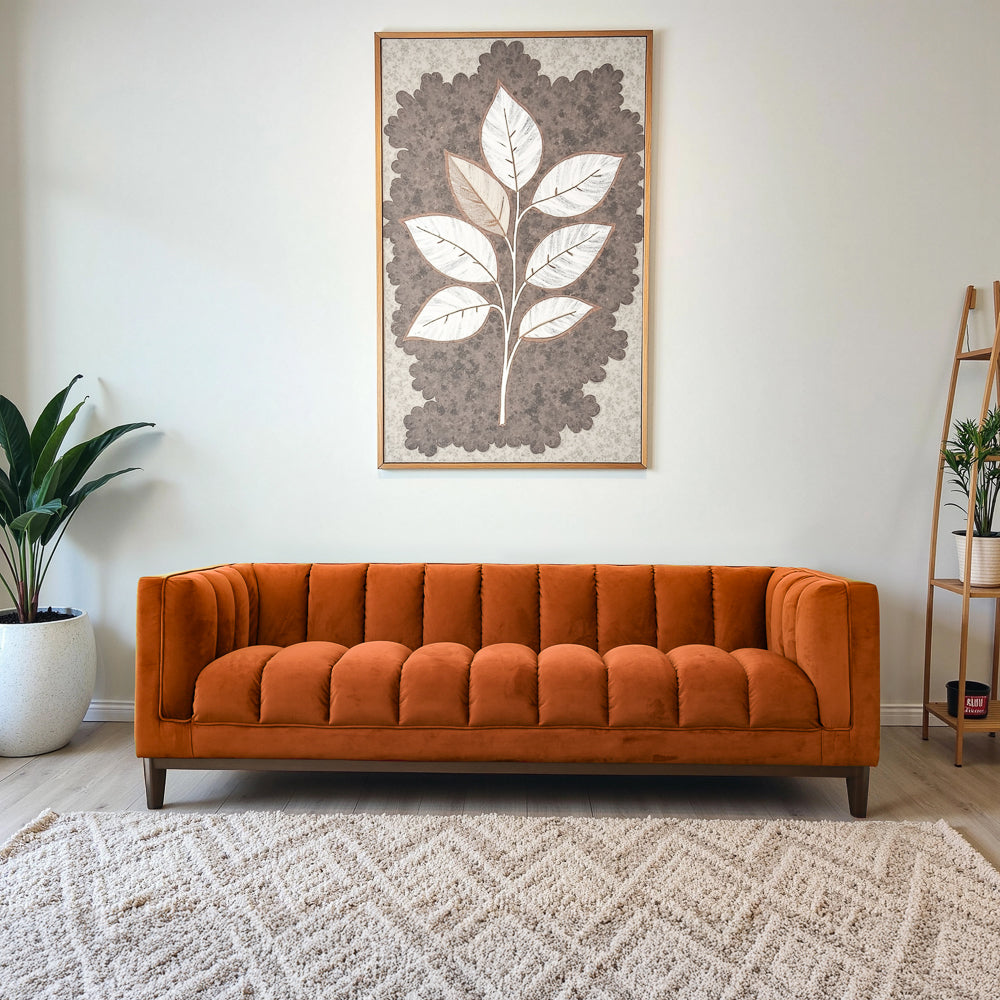
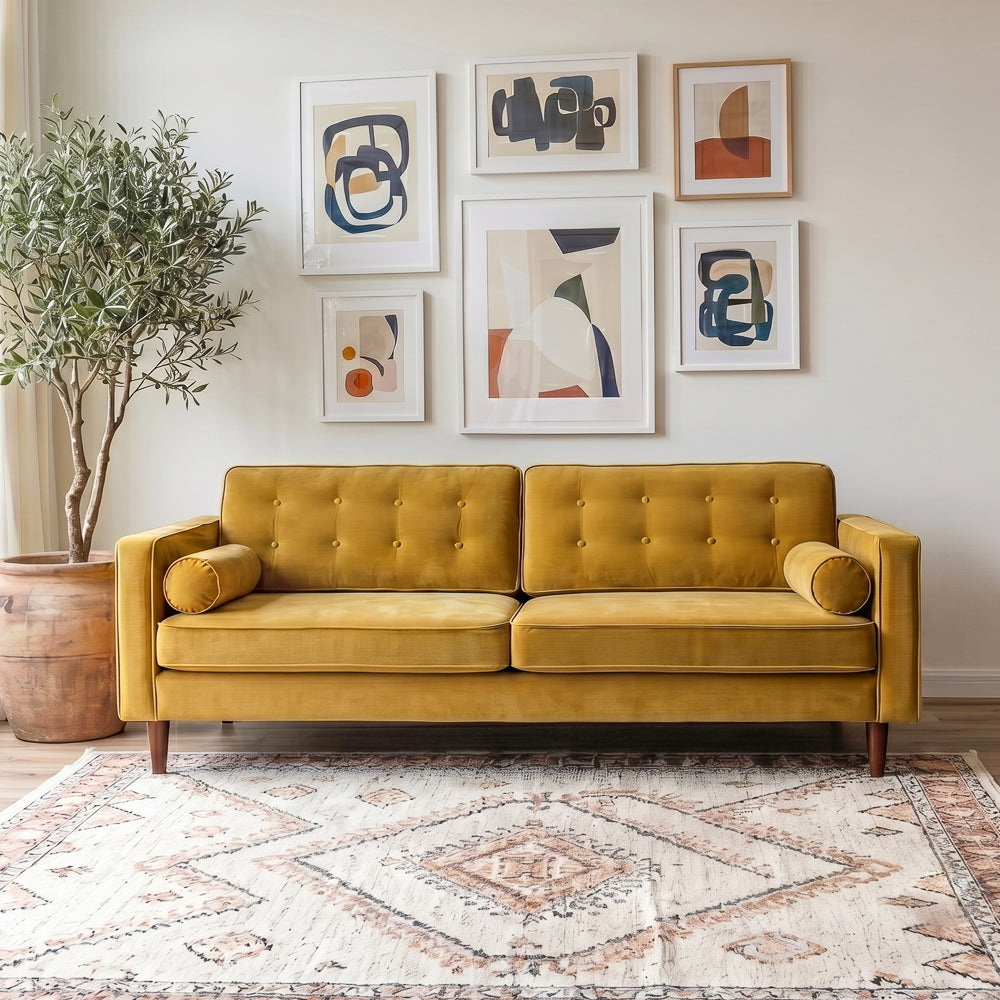
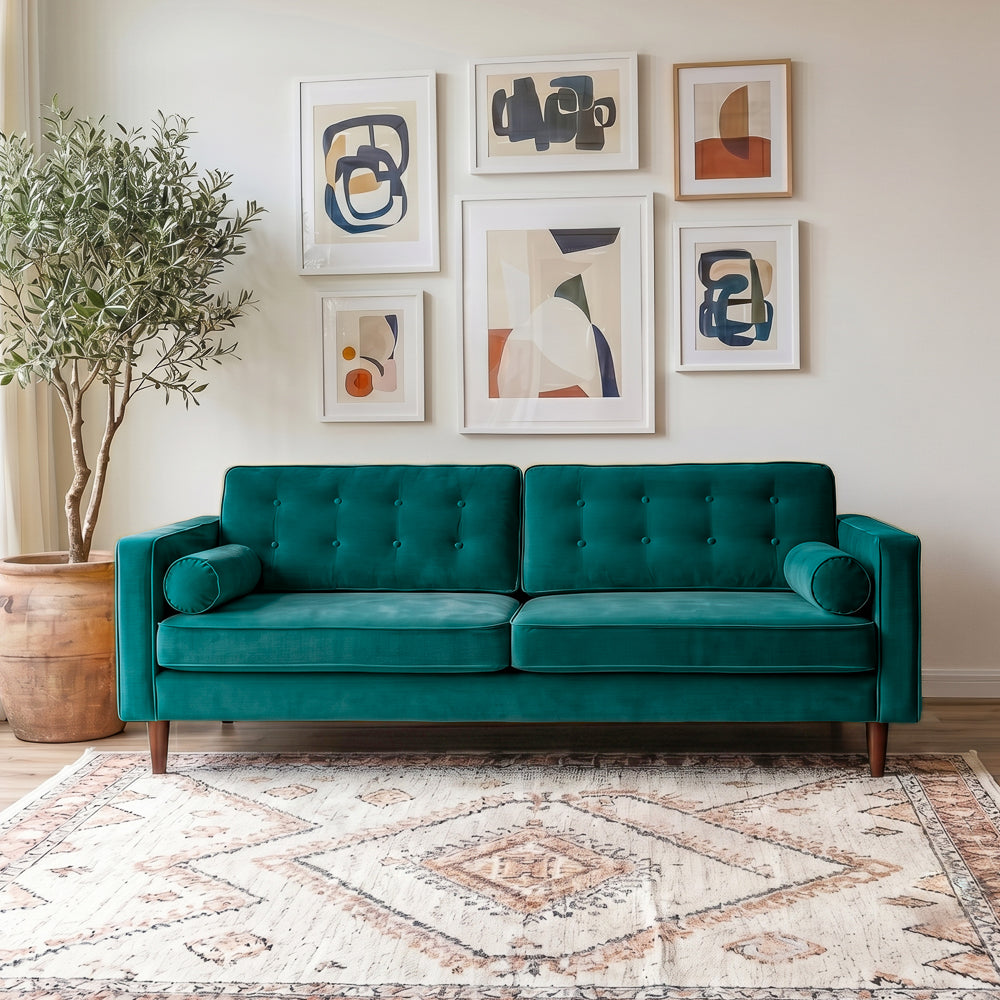
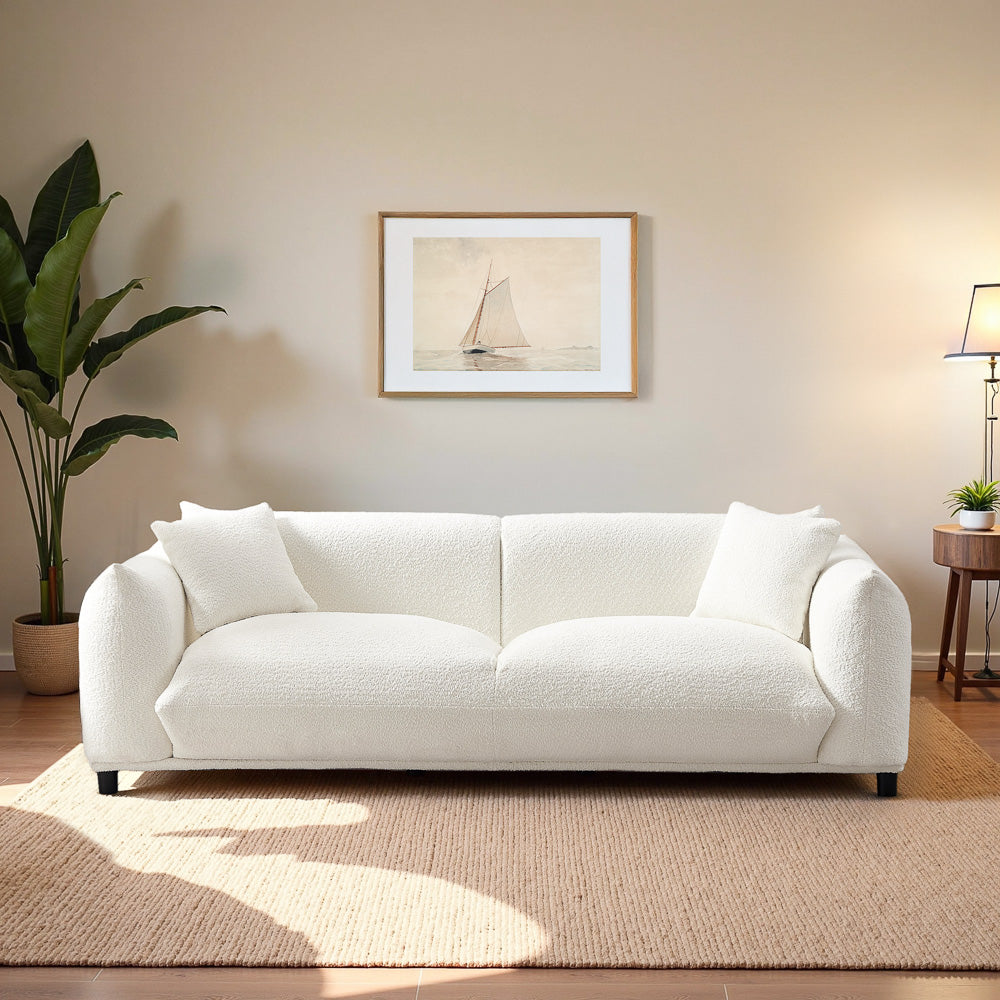
Sofas anchor a room best when centered around a focal point. Position your sofa to face a fireplace, entertainment center, or large window.
This creates a natural room orientation and helps set clear sight lines. Place a coffee table in front of the sofa to define the area and provide an essential surface for drinks, books, and decor.
Balance is important with big furniture. If your sofa looks too heavy, add accent chairs, a loveseat across from it, or sturdy tables and lamps. This helps make the room feel complete and welcoming for conversation.
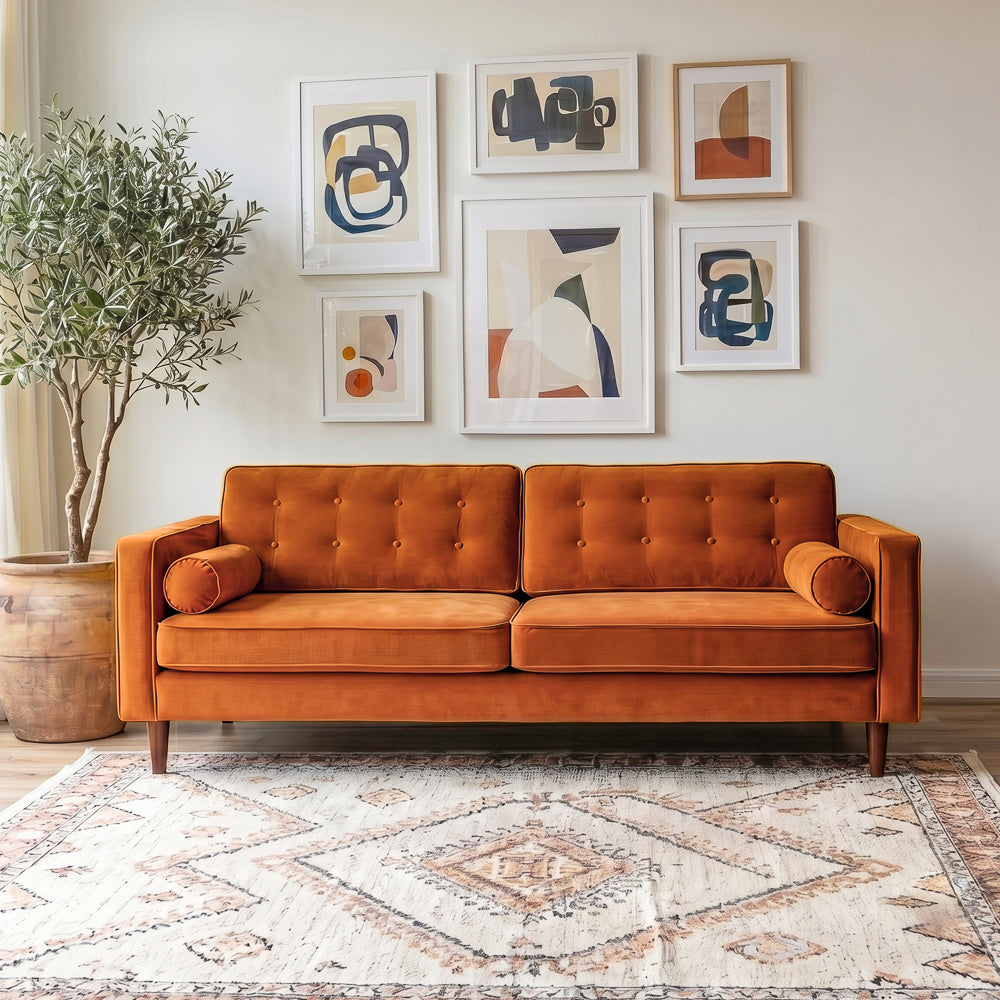
For a cohesive look that feels intentional rather than matchy-matchy, stick to a shared color palette while mixing textures and materials. Perhaps your sofa is upholstered in a solid neutral fabric while your loveseat features a subtle pattern in complementary tones. Layer throw pillows, blankets, and rugs to pull the colors together and add visual interest through varied textures.
Remember scale and size when adding accessories. Big sofas can handle large pillows and bigger art above them. Loveseats look better with smaller accessories that fit their size.
Making Your Final Decision
The choice between a loveseat and a sofa ultimately comes down to understanding your space, your functional needs, and how you actually live in your home.
Loveseats offer flexibility, efficiency, and affordability, making them ideal for smaller spaces, secondary seating areas, and situations where budget is a primary concern.
Sofas provide generous seating, visual impact, and the versatility needed for active households and primary living spaces. They're investments that pay dividends in comfort and functionality, serving as gathering places for family life and social occasions.
In many homes, the best solution isn't choosing between a loveseat and a sofa—it's incorporating both. This combination approach offers maximum flexibility, ample seating for various situations, and the ability to create dynamic, balanced room layouts that serve multiple purposes.
When deciding, measure your space, consider your daily habits, and picture how you want your room to look and function. Whether you pick a loveseat, a sofa, or both, choose quality pieces that match your style and needs so your investment lasts for years.
The right seating helps make your home not just beautiful, but also comfortable and welcoming for everyone.





Leave a comment
This site is protected by hCaptcha and the hCaptcha Privacy Policy and Terms of Service apply.